
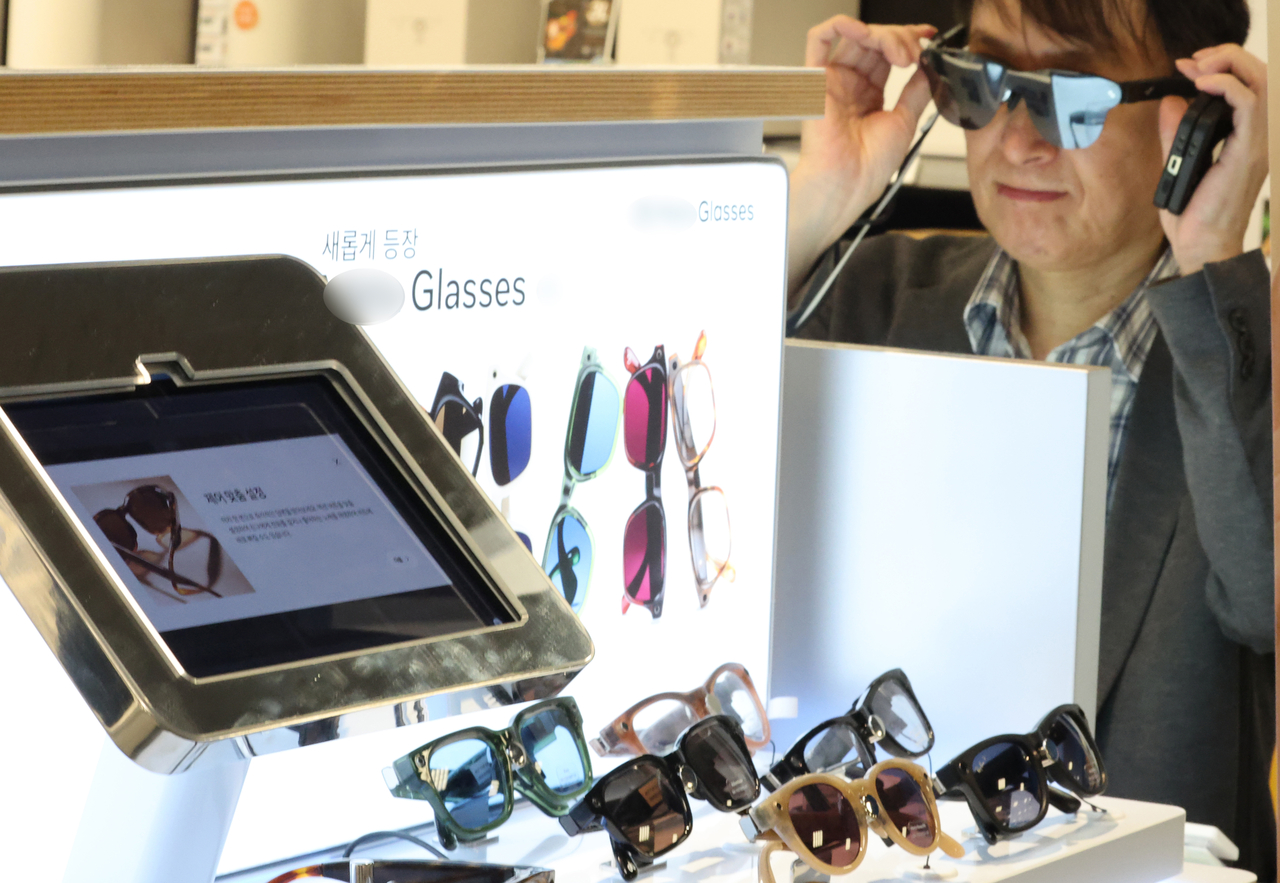
The Education Ministry’s new smart-glasses rules for this year’s College Scholastic Ability Test have drawn criticism from teachers, who say proctors lack clear standards and equipment to identify the devices.
The 44-page guidelines, distributed to schools ahead of the Nov. 19 exam, devote about half a page to suspected smart glasses use.
Before the test, proctors who suspect a student is wearing smart devices are instructed to ask the student to remove them and place them on the desk for inspection.
They must also warn students that refusing to cooperate could be treated as cheating.
The guidelines tell proctors to identify suspected devices using features shown in instructional videos and booklets. If they cannot determine whether a pair of glasses is prohibited, they are advised to consult other proctors or exam administrators.
If a student is suspected of wearing smart glasses during the exam, proctors must wait until the test ends and answer sheets are collected before inspecting the device.
Students caught wearing smart glasses during the exam will have their results invalidated and be barred from taking the Suneung the following year, regardless of whether they used the devices to cheat. Possession alone can invalidate a student’s results.
Students who refuse an inspection may also face penalties, depending on the circumstances.
Teachers' groups raise concerns
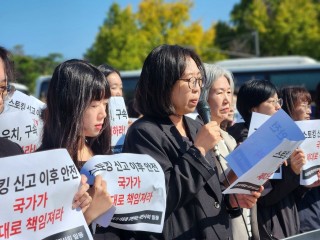
The Korean Teachers and Education Workers Union said Tuesday that the rules place too much responsibility on individual proctors without giving them specialized equipment or clear standards for identifying smart glasses.
Proctors could face complaints from students who say an inspection disrupted their exam, the union said. They also risk accusations of negligence if they fail to detect a prohibited device.
“Whatever judgment proctors make, they are left exposed to the risk of complaints and disputes,” the union said, urging the ministry to establish a specialized identification system and provide stronger legal protections for proctors.
“Measures to prevent cheating involving new technologies should be developed by the government, rather than shifting responsibility onto individual proctors,” it added.
The Korean Federation of Teachers’ Associations raised similar concerns, saying Suneung proctoring already places significant physical and mental strain on teachers, who must remain alert for long periods while facing the possibility of complaints or legal disputes over minor actions.
Recent cases involving AI-powered smart glasses at university admissions exams show how difficult the devices can be to detect with the naked eye, the federation said. It called for clearer inspection standards and procedures, as well as protections for proctors.
The ministry issued the guidelines after smart glasses were found during essay-based admissions exams at Yonsei University and the University of Seoul earlier in October.
The University of Seoul has since reported an additional case involving a student found in possession of the glasses. Yonsei disqualified its applicant, while the University of Seoul barred students involved in its cases from taking the university’s admissions exams for three years.
seungku99@heraldcorp.com