
Viral binyeo hairstyling videos draw crowds to accessory shops at traditional markets
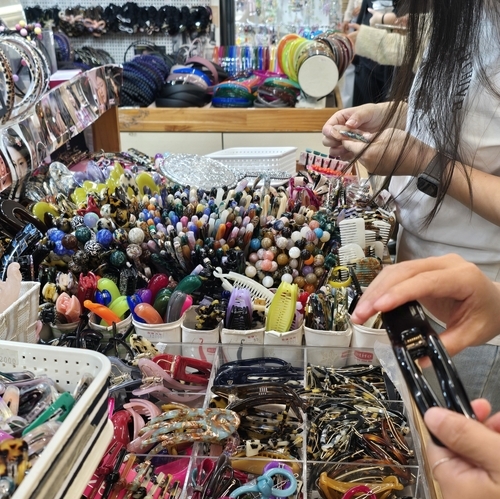
No longer just for grandmothers, the binyeo, a long, slender hair ornament used to secure hair in a bun, is enjoying a resurgence as younger generations embrace the centuries-old accessory as a modern fashion statement, news reports said Wednesday.
Accessory shops at Seoul’s Dongdaemun Market have recently drawn shoppers in their 20s and 30s, as well as foreign tourists, eager to get their hands on the traditional hairpins.
Many customers come after discovering binyeo through social media posts, according to vendors at the market.
"Sales have doubled compared with a month ago," an accessory shop owner surnamed Hong, who has been in business for 12 years, told The Korea Herald. "Many customers don't know how to wear the hairpins, so we show them how."
"Our customers used to be mostly trot singers and theater performers, so it's surprising to see such a diverse crowd now. Even teenagers come with their parents," Hong said.
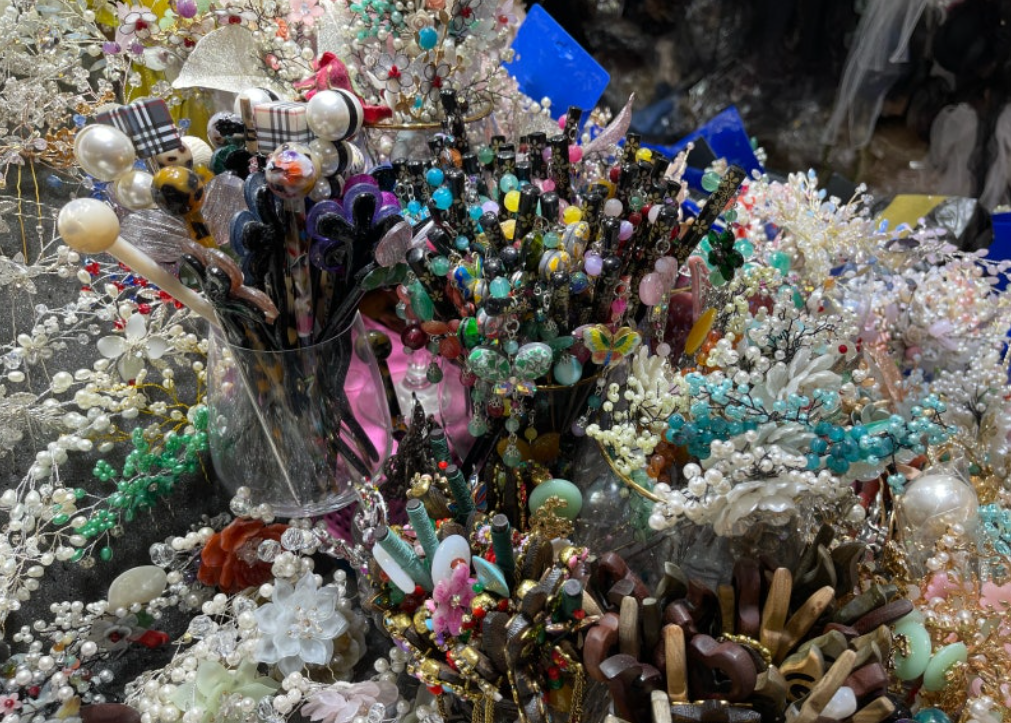
Some customers also purchase beads, pins and other materials to make their own binyeo hairpins rather than buying ready-made ones, Hong added.
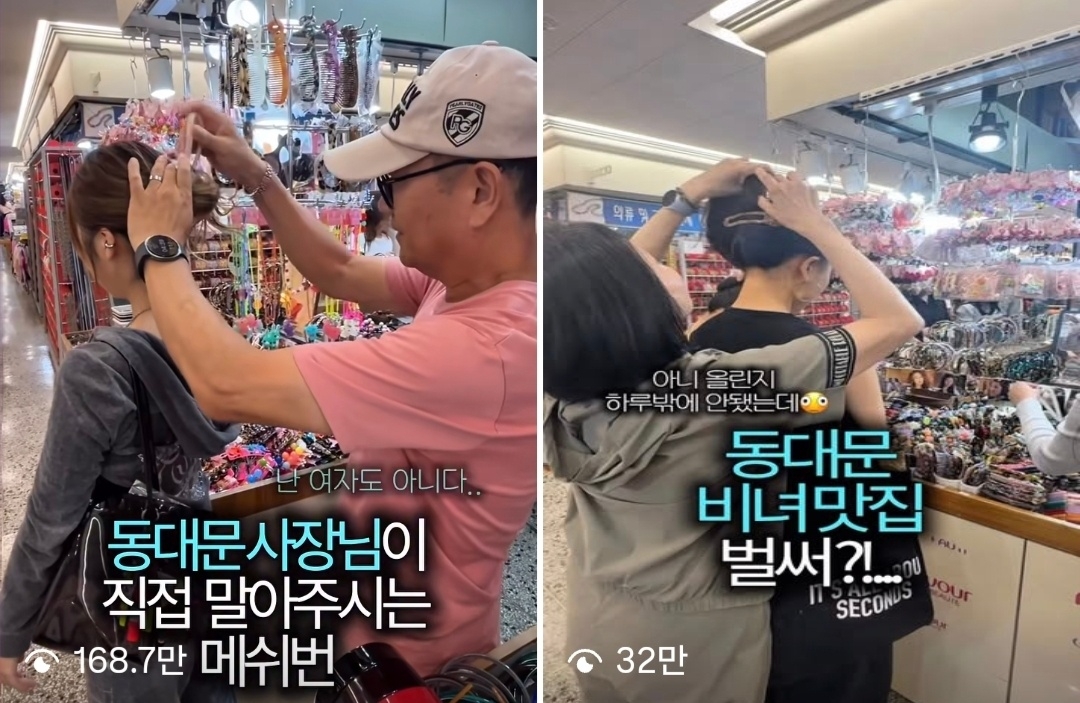
Social media has recently seen a wave of videos showing how to wear binyeo hairpins, including one titled "A 20-second binyeo styling tip for work or social gatherings." Among the most popular are videos showing traditional market vendors demonstrating how to wear binyeo, with one drawing over 1.6 million views.
Binyeo have been worn by Korean women since ancient times to secure their hair in a bun, with similar hair ornaments also used across East Asia. Traditionally made from gold, silver, jade or wood, binyeo typically feature a single long, straight pin, sometimes topped with decorative elements. In the past, the materials and designs reflected the wearer’s social status.
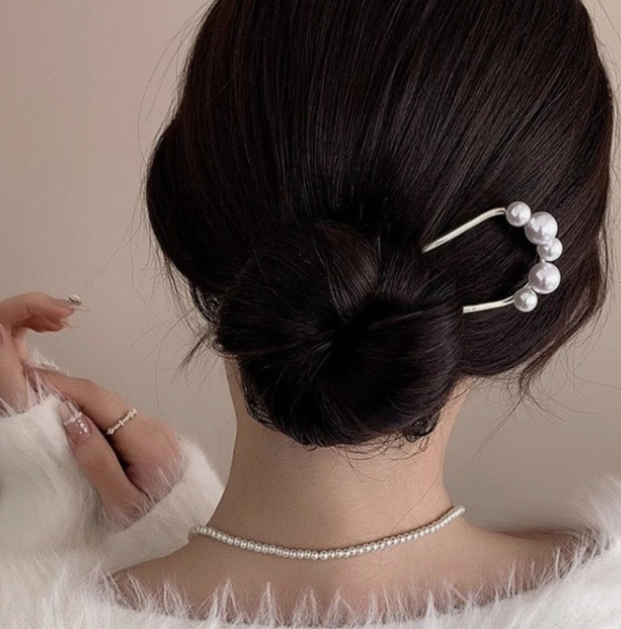
The binyeo hairpins trending today, however, differ slightly from their traditional counterparts. Many feature a two-pronged, U-shaped design resembling hairpins used for French twists, a hairstyle in which the hair is twisted and pinned up at the back of the head.
"Honestly, I never thought the binyeo my mom used to wear was all that pretty, but the Western-style twist gives it a whole new vibe. I only bought one because it was trending, but now I wear it all the time because it adds a little something to my simple outfits," said Kim Seung-ah, an office worker in her 20s living in Seoul.
Experts linked the trend to young consumers' passion for discovering hidden gems and embracing tradition with a modern twist.
"When we recently analyzed online search data related to dating, Dongmyo, a traditional market area in Seoul's Jongno district, actually came up more often than Seongsu-dong," Choi Ji-hye, a researcher at Seoul National University's Consumer Trend Center, told a local news outlet. "I think young people enjoy the treasure hunt of digging through markets packed with goods to find something that matches their personal style."
"What's interesting is that the binyeo gives off a Western-style, girly vibe while still being called by its traditional Korean name," she said. "That's what makes it feel hip to younger generations."
cjh@heraldcorp.com