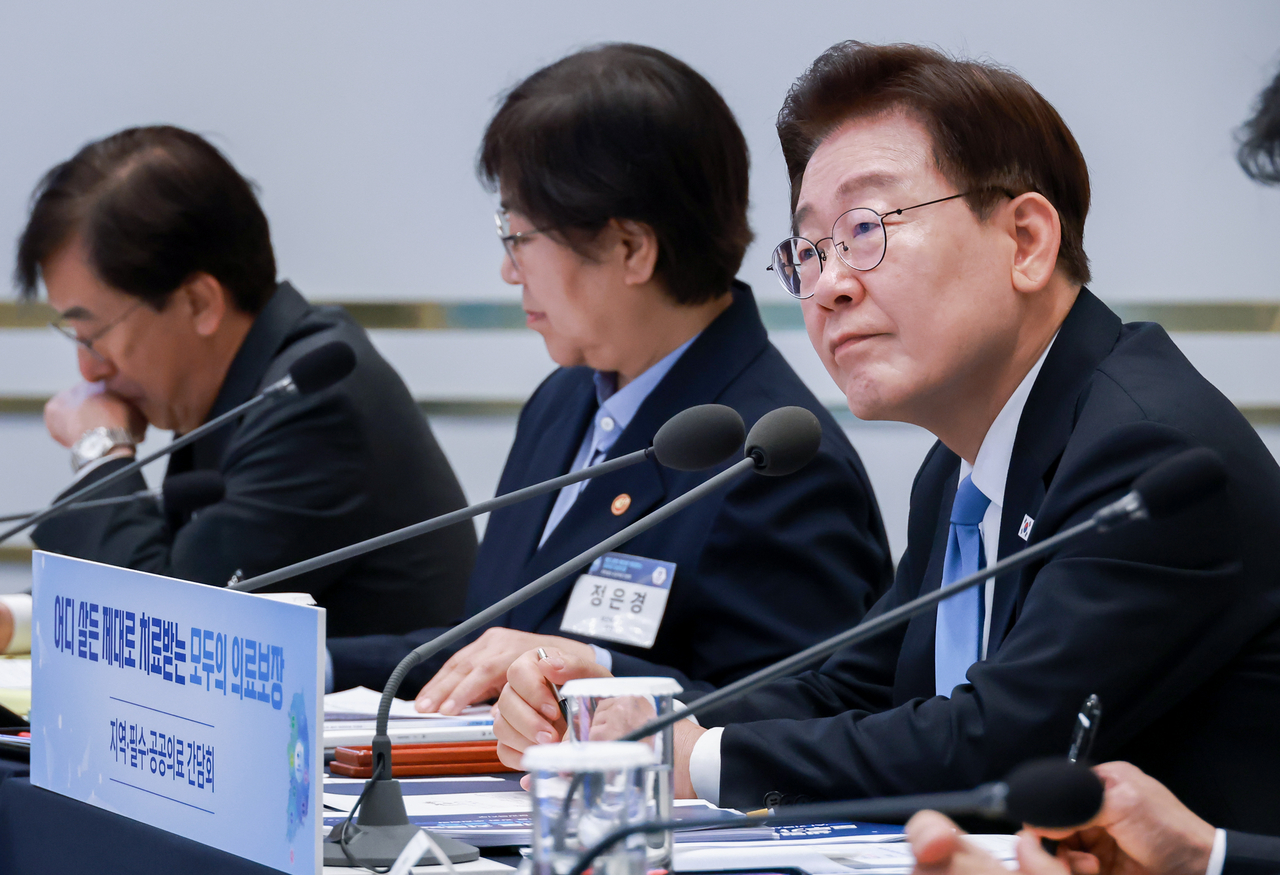
In South Korea, the basic pension has a curious tendency to become less ambitious as it approaches the ballot box. The closer a proposed overhaul gets to voters, the smaller it seems to become.
대한민국에서 기초연금은 투표함에 가까워질수록 신기하게도 목표가 낮아지는 경향이 있다. 개혁안은 유권자들에게 가까워질수록 그 규모가 작아지는 듯하다.
The Lee Jae Myung administration began with an ambitious promise to make the basic pension “heavier at the bottom and lighter at the top” in terms of benefits.
이재명 정부는 기초연금을 수령액 면에서 "하후상박" 방식으로 바꾸겠다는 포부를 가지고 시작했다.
On Tuesday, however, the government delivered a much narrower change. It kept the politically convenient 70 percent coverage rule and made only limited adjustments to payouts.
그러나 화요일 정부가 내놓은 개혁안은 훨씬 축소된 변화를 보였다. 정치적 부담이 적은 하위 70퍼센트 지급 기준을 유지했고 연금 지급액에 있어서는 제한적인 조정에 그쳤다.
Korea faces a difficult pension dilemma: protecting a growing number of impoverished elderly people without allowing public finances to buckle under demographic pressure. The latest plan handles the first concern at the margins and largely postpones the second.
한국은 늘어나는 빈곤층 노인들을 보호하면서 인구 압박으로 인해 국가 재정이 무너지는 것을 막아야 하는 어려운 연금 딜레마에 처해있다. 이번 계획은 전자에는 가까스로 대처했으나 후자는 대체로 연기한 것에 가깝다.
Under the new scheme starting next April, monthly payouts for the bottom 30 percent will rise to 380,000 won ($279), while the 30 to 45 percent bracket will receive an inflation-adjusted 359,000 won. Payments for the upper 45 to 70 percent remain frozen at 350,000 won, and the spousal reduction for lower-income couples will ease from 20 to 10 percent.
내년 4월부터 실행되는 새로운 방안에 따르면 하위 30퍼센트 인구의 월 수령액은 38만원으로 인상되는 반면 30-45퍼센트에 해당되는 수급자들은 인플레가 반영된 35만9천원을 받게 될 것이다. 이보다 상위인 45-70퍼센트에 속한 수급자의 수령액은 35만원으로 동결되며 저소득 부부의 배우자 감액률은 20퍼센트에서 10퍼센트로 낮아진다.
That is a modest redistribution within an expanding system. Freezing payments for the upper tier saves about 170 billion won, while differentiated payouts require an additional 465 billion won. The annual basic pension budget will consequently rise by about 11 percent, from 23.1 trillion won this year to 25.7 trillion won next year.
확장되는 시스템 내에서의 소규모 재분배다. 상위 가구의 수급액을 동결함으로써 1천7백억원을 아낄 수 있으나 차등 지급에는 4650억원이 추가로 소요된다. 연간 기초연금예산은 이에 따라 올해 23조1천억원에서 내년 25조7천억원으로 11퍼센트 늘어날 것이다.
The compromise is especially conspicuous because the Ministry of Health and Welfare had considered replacing the 70 percent rule with a median-income threshold, eventually reducing eligibility to 80 percent by 2030.
보건복지부가 기초연금 선정기준을 소득 하위 70퍼센트에서 기준중위소득으로 대체해 2030년까지 수급대상을 80퍼센트까지 낮추는 것을 고려했다는 점에서 특히 눈에 띄는 타협이다.
After a scheduled briefing by Health and Welfare Minister Jeong Eun-kyeong was abruptly canceled on Aug. 27, however, the final proposal dropped eligibility reform altogether.
그러나 8월 27일 정은경 보건복지부 장관의 예정된 브리핑은 돌연 취소되었고 최종안에는 수급대상 변경이 일절 포함되지 않았다.
The political logic is hardly mysterious. With public sentiment already unsettled by real estate tax changes and the president’s approval ratings weakening, reducing pension eligibility would have imposed another immediate political cost.
정치적 셈법은 뻔하다. 부동산 세제 개혁으로 이미 여론은 동요하고 있고 대통령의 지지율은 떨어지고 있는 상황에서 연금 수급자격을 낮추는 것은 즉각적으로 또다른 정치적 부담이 되었을 것이다.
The 70 percent rule has become harder to justify as a proxy for need. Some older single workers earning around 4.68 million won a month can qualify if they have no other assets, while married couples with combined annual income approaching 100 million won may also fall within the threshold.
70퍼센트라는 기준선을 명분으로 정당화하기는 더 어려워졌다. 다른 재산이 없는 1인 가구라면 매달 근로소득이 약 468만원에 달해도 기초연금을 받을 수 있다. 합산 연 소득이 1억원에 육박하는 맞벌이 부부 가구 역시 수급 기준을 만족시킬 수 있다.
Meanwhile, Korea still has one of the highest elderly poverty rates in the OECD. Adding 30,000 won a month to the poorest group will hardly transform that picture, particularly when basic pension payments can interact awkwardly with minimum livelihood benefits.
한편 한국의 노인 빈곤율은 여전히 OECD 국가 중 최고 수준이다. 가장 취약한 계층에 월 3만원을 추가지급하는 것으로는 그 상황을 바꾸기에 턱없이 부족하다. 기초연금수당과 기초생활보장 급여가 서로 충돌할 수도 있는 구도에서는 더욱 그러하다.
Then comes the demographic ledger. Basic pension recipients have grown from about 2 million in 2015 to 7.79 million this year. Their number is projected to reach 13.3 million by 2050, while spending could rise to 46 trillion won, according to the Korea Development Institute.
다음은 인구 통계를 살펴봐야 한다. 기초연금 수급자는 2015년 2백만명에서 올해 779만명으로 늘었다. 한국개발원에 따르면 그 수치는 2050년 1330만명에 달할 것으로 추산되며 지출은 46조원까지 늘어날 수 있다.
That trajectory demands a clearer definition of whom the basic pension is meant to support. Eligibility should gradually move toward an objective median-income benchmark rather than a fixed share of the elderly population.
이러한 추세를 고려할 때 기초연금의 지원대상이 누가 되어야 할지 좀더 명확히 정의할 필요가 있다. 지급 기준은 고령층의 일정 비율보다는 객관적인 중위소득 지표로 단계적으로 조정되어야 한다.
Savings from narrower coverage should be redirected toward seniors facing genuine hardship. The system should also evolve alongside the maturing national pension fund and voluntary private retirement savings.
지급대상 축소로 아낀 지출은 실질적으로 어려움에 처한 고령층에게 재분배되어야 한다. 성숙기에 접어든 국민연금 기금과 자발적인 개인 은퇴저축과 더불어 제도 또한 변화해야 한다.
The Lee administration has postponed the difficult part of reform. That may ease political friction for the moment, but demographic arithmetic does not disappear because it chooses to defer it.
이재명 정부는 개혁에서 까다로운 부분을 유예했다. 그로서 당장의 정치적인 갈등을 완화했을지는 모르나 인구통계학적 현실은 미룬다고 해서 사라지지 않는다.
Sustainability cannot be achieved by passing a diluted bill. Preserving broad entitlements while gutting core reforms is a compromise in name only, leaving future generations to settle the bill.
지속가능성은 핵심이 빠진 법안을 통과시킨다고 해서 얻어지는 것이 아니다. 광범위한 지원 자격은 유지하면서 핵심 개혁 내용을 도려내는 것은 다음 세대가 대가를 치르게 만드는 이름뿐인 절충안에 불과하다.
buckle 무너지다, 굴복하다
conspicuous 눈에 잘띄는, 뚜렷한
eligibility 자격
defer 미루다
diluted 희석된
entitlement 자격, 권리
khnews@heraldcorp.com