Economic recoveries tend to look better from a distance. South Korea is enjoying a semiconductor boom and is heading for its fastest annual growth in five years, yet many households are living in a far less forgiving economy.
경제 회복은 체감과는 거리가 있기 마련이다. 한국은 반도체 호황을 누리고 있고 5년 만에 가장 빠른 연간 성장을 기록할 예정이다. 그러나 많은 가계들의 사정은 그보다 훨씬 좋지 못하다.
On Thursday, the Bank of Korea raised its benchmark rate by another 25 basis points to 3 percent, and lifted its 2026 growth forecast to 3.3 percent. For indebted households, neither figure offers much consolation.
목요일 한국은행은 기준금리를 0.25퍼센트포인트 재차 인상해 3퍼센트로, 2026년 성장률 전망치를 3.3퍼센트로 상향조정했다. 부채가 있는 가계로서는 둘다 그다지 위로가 되지 않는 수치다.
The problem is the uneven way inflation and interest rates hit household budgets. Consumer prices rose 2.8 percent in July from a year earlier, and core inflation reached 2.6 percent, its highest since December 2023.
문제는 인플레와 이자율이 가계부에 타격을 주는 불균형한 방식이다. 소비자 물가는 7월 전년 동기 대비 2.8퍼센트 올랐고 근원 인플레는 2.6퍼센트에 달해 2023년 12월 이후 최고 수준을 기록했다.
Essential food prices have been even more punishing. In the second quarter, rice rose 13.2 percent, potatoes 11.1 percent and eggs 9 percent. Prices of low-cost meals such as gimbap also rose faster than the overall consumer price index.
필수 식료품 가격은 더욱 큰 부담이 되어왔다. 2분기 쌀 가격은 13.2퍼센트, 감자는 11.1 퍼센트, 달걀은 9퍼센트 인상되었다. 김밥과 같은 비교적 저렴한 식사 가격 또한 전반적인 소비자물가지수보다 더 빠르게 상승했다.
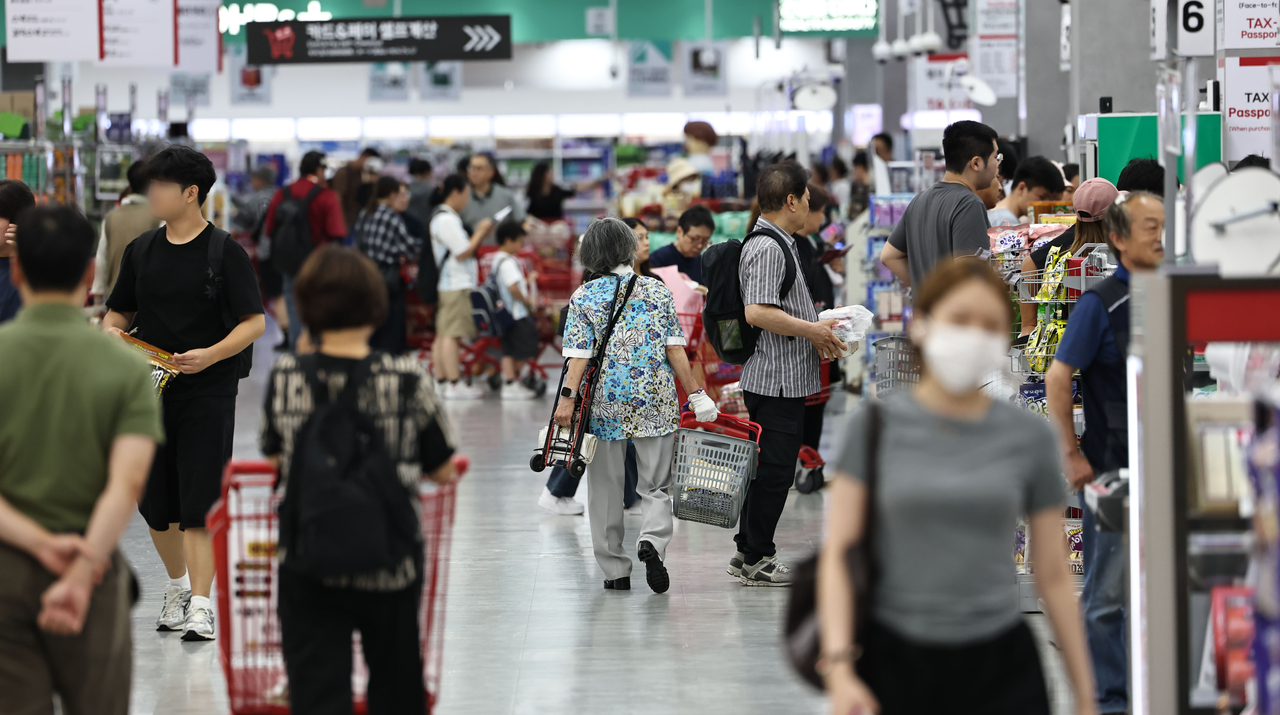
Such increases matter more to poorer households because necessities consume a larger share of their income. Spending on food rose 6.9 percent among households in the second-lowest income quintile, compared with 1.8 percent for the 20 percent in the highest incomes.
그러한 물가 인상은 생필품이 소득에서 차지하는 비중이 더 큰 서민층에 더 큰 영향을 끼친다. 소득 2분위 가계의 식비가 6.9퍼센트 늘어난 반면 상위 20퍼센트 소득 가구는 1.8퍼센트 늘었다.
Interest costs show an even wider divide. Monthly interest expenses for the bottom 20 percent of households jumped 36.1 percent year on year in the second quarter, nearly three times the 12.1 percent increase for all households.
이자 비용은 더 큰 괴리를 보인다. 하위 20퍼센트 가구의 월 이자비용은 2분기 전년 대비 36.1퍼센트로 크게 늘어 전체 가구 12.1퍼센트의 3배에 가깝다.
Debt statistics reveal how quickly this strain is becoming entrenched. Nearly 97,200 people entered formal debt adjustment programs during the first half of this year. Among borrowers who were making payments under such arrangements, applications for small emergency loans reached 14,894 in the second quarter, the highest quarterly figure since 2022.
부채 관련 통계를 보면 이 같은 재정적 압박이 얼마나 빠르게 구조화되고 있는지가 드러난다. 올해 상반기 정식 채무조정 신청자는 근 9만7천2백명에 이른다. 채무조정 제도를 이용해 빚을 나누어 갚고 있던 대출자중 2분기 소액 긴급 자금 대출 신청 건수가 2022년 이후 분기별 최고치인 14,894건에 달했다.
A borrower who restructures a debt and then takes out another loan to cover living expenses is hardly on the road to financial recovery.
채무 재조정 후 생활비 충당을 위해 추가 대출을 신청하는 대출자가 경제적으로 회복중이라고 보기는 어렵다.
This makes the policy mix particularly awkward. The BOK is tightening because inflation could broaden as the recovery strengthens. At the same time, the government is pursuing measures to ease financial burdens, including a planned 6 trillion won ($4.3 billion) debt relief program for struggling small-business owners and expanded lending through financial institutions.
이로 인해 정책적인 조합은 대단히 난처하게 된다. 회복세가 힘을 받으면서 인플레가 확대될 수 있기에 중앙은행은 긴축 정책을 펴고자 한다. 한편으로 정부는 어려운 소상공인들을 위한 6조원 규모로 산정된 채무 감면 제도와 금융기관을 통한 대출 확대 등 재정부담을 줄여주려는 조치들을 취하려 한다.
Assistance for people in genuine distress is necessary. But broad credit support can blunt the effect of monetary tightening, giving the central bank less room to ease rates.
실질적으로 위기에 놓인 사람들을 위한 도움은 필요하다. 그러나 포괄적인 신용 지원은 재정 긴축 효과를 무디게 할 수 있고 중앙은행이 금리를 완화할 여지를 축소시킨다.
The result is a peculiar policy loop. Fiscal measures bolster demand, whereas monetary policy raises the price of money. The first boosts inflation, the second contains it. But they do not simply cancel each other out, because the effects are uneven. The risk is that those who can least absorb higher interest costs end up bearing the costs of both approaches.
그 결과는 기묘한 정책적 악순환이다. 정부의 재정 조치는 수요를 떠받치는 반면, 중앙은행의 통화 정책은 금리를 끌어올린다. 전자는 인플레를 부추기고 후자는 억제한다. 그러나 단순히 서로를 상쇄하는 것은 아니다. 그로 인한 영향이 불균형하기 때문이다. 높아진 금리 비용을 감당할 능력이 가장 없는 이들이 서로 다른 접근법의 대가를 치르게 되는 결과를 가져올 수 있다는 위험이 있다.
External pressures could complicate the dilemma. At the annual Jackson Hole Economic Policy Symposium in Moran, Wyoming, on Friday, new Federal Reserve Chair Kevin Warsh said underlying US inflation had not improved enough and emphasized the Fed’s responsibility for price stability.
외부로부터의 압력이 그 딜레마를 한층 복잡하게 만들 수 있다. 금요일 와이오밍주 모란에서 열린 잭슨홀 경제정책 연례 심포지엄에서 신임 연방준비제도 의장인 케빈 워시는 미국의 기조적 인플레가 충분히 개선되지 않았다며 연준의 물가안정 책임을 강조했다.
If US rates rise and Korea keeps its rate at 3 percent, the current 0.75 percentage-point gap could widen, putting renewed pressure on the won and raising import costs.
미국은 금리가 오르고 한국은 금리를 3퍼센트로 유지한다면 현재의 0.75퍼센트포인트에서 격차가 더 커져 원화에 한층 압박이 더해지고 수입 가격을 인상시킬 수 있다.
Korea cannot assume that export strength will rescue domestic demand. July retail sales fell 2.4 percent despite semiconductor exports reaching $41 billion. A booming export sector can coexist with a struggling consumer economy.
한국은 수출 강세가 국내 수요를 살려낼 것이라고 장담해서는 안된다. 반도체 수출이 410억달러에 달했음에도 불구하고 7월 소매판매는 2.4퍼센트 감소했다. 특정 분야의 수출 호조에도 소비자 경제는 어려울 수 있다.
The Lee Jae Myung administration must make fiscal policy more precise. Direct support for households most in need would cushion hardship without adding unnecessary demand. Food prices require attention to supply and distribution. Debt programs should help viable borrowers regain solvency and allow unviable businesses to close, rather than merely rolling their loans forward.
이재명 정부는 재정 정책을 보다 정교하게 다듬어야 한다. 가장 도움이 필요한 가계에 직접적인 지원을 하는 것은 불필요한 수요를 늘리지 않으면서 고통을 덜어줄 것이다. 식료품 가격에 있어서는 수요와 공급에 주의를 기울여야 한다. 채무 조정 제도는 회생 가능한 대출자의 상환 능력 회복을 돕고 회생이 어려운 자영업자는 대출을 지속하기만 하는 것이 아니라 폐업할 수 있도록 해야 한다.
The chip boom has given Korea’s macroeconomic numbers a glossy finish. Household finances tell a more prosaic story. When groceries and debt cost more, aggregate growth offers little protection to those closest to the margin. The recovery may look broad in the national accounts, yet its costs remain unevenly distributed among households.
반도체 호황으로 한국의 거시경제 지표는 겉보기에 화려해졌다. 그러나 가계 사정은 그리 화려하지 않다. 식료품 물가와 대출 비용이 오르면 전체적인 성장이 한계에 가까운 이들에게까지 보호막이 되어주기는 어렵다. 회복세는 국가 차원에서는 광범위해 보이나 가구마다 느끼는 부담은 여전히 불균등한 채로 남아있다.
quintile 5분위
entrench 공고히 하다
viable 독자 생존 가능한
solvency 지불 능력
prosaic 평범한
aggregate 종합한
khnews@heraldcorp.com