

Seoul offers 126 public repair programs, but finding the right service can be harder than expected
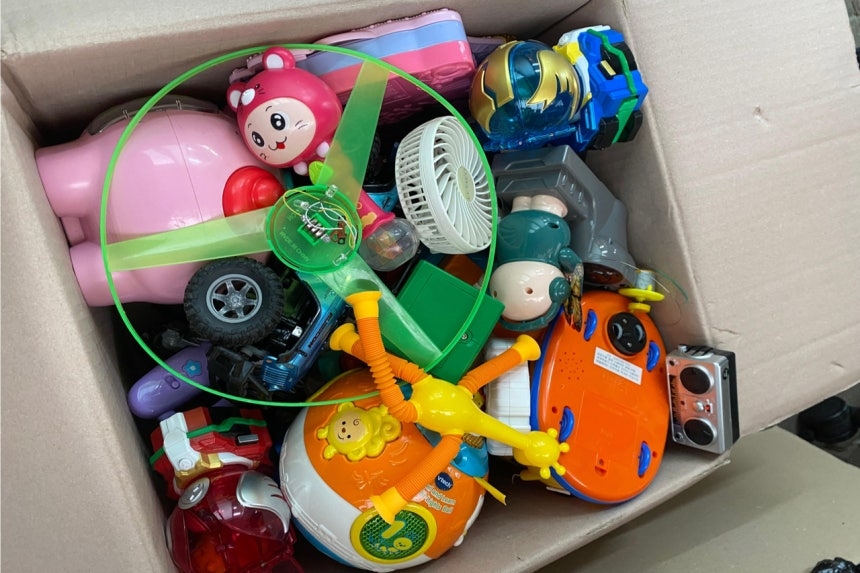
A broken umbrella. A toy that no longer works. A chair with a wobbly leg. How many of these have you thrown away simply because you didn’t know how or where to get them fixed?
In Seoul, local governments operate 126 public repair programs, but finding the right service can feel like a scavenger hunt in a society where buying is easier than repairing.
The hassle of getting things repaired
In September, the Seoul branch of the Korea Federation for Environmental Movements and the Resource Circulation Society and Economy Institute released a joint study examining the hurdles Seoul residents face when they choose to fix items rather than throw them away.
The study drew on the experiences of 33 residents who tried to find and use local repair services. They searched for programs in neighborhoods they knew and contacted local officials to check how the services worked. The review covered programs offered between January 2025 and June 2026.
The survey found that information about repair services was scattered across websites, social media and neighborhood notices, leaving residents to piece together the details or call organizers for help.
Eunpyeong-gu’s mobile knife-sharpening service was one example.
Participants could find no detailed schedules published after May 2023. Although the district office later confirmed the service continued in 2024, it offered little practical information on when or where residents could use it. In the end, they had to call the district office to find out whether the service was still running and when it would be available.
“Only a few residents knew that the service existed in the first place. Even if they knew, they were not informed of the exact program name for it to show up in a search,” Kang Haneulddang, the SKFEM’s representative, told The Korea Herald.
Kang added that 33 resident volunteers said they experienced these difficulties firsthand.
During workshops held from July 24 to Aug. 8, they searched for repair services in neighborhoods where they lived or regularly visited, then contacted local officials to find out how to use them.
“Finding out how to use these services often took more effort than expected. Information was scattered across district websites and social media, with no clear indication of when it would be updated. Residents had to find out not only whether a service could repair their belongings, but also where and when it was available,” Kang explained.
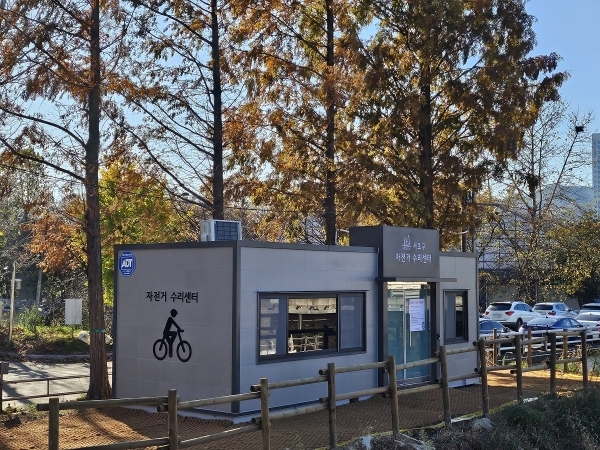
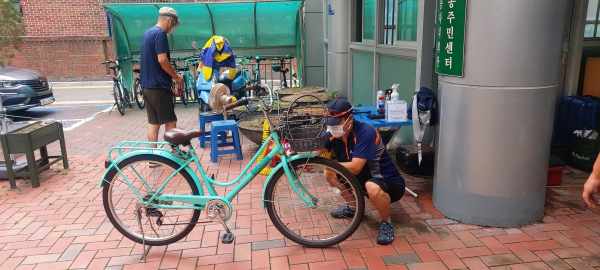
The challenge was even greater for bicycle repair services, according to Kang, which operated at different locations on different days. Residents hoping to get their bicycles repaired had to check the latest notices to find out when the service would come to their neighborhood. With schedules changing regularly, they often had to search for updates each time.
“Residents had to keep checking where and when services would be available,” Kang said. “There was no clear indication of when new schedules would be posted.”
Kang also said the group found gaps in the local laws supporting repair services.
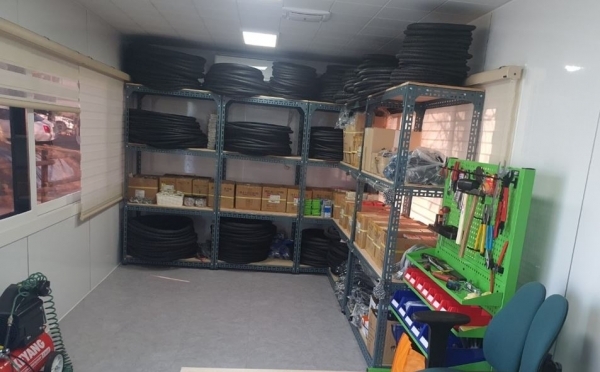
All 25 districts have ordinances promoting bicycle use, which help support public bicycle repair programs. But only three — Nowon-gu, Mapo-gu and Guro-gu — have broader ordinances encouraging residents to repair and reuse everyday items.
“This helps explain why bicycle repair services are available across Seoul, while finding help with broken electronics, clothing and other household items can be much harder,” she pointed out.
“Without similar legal support, these services tend to be offered through temporary programs or one-off events, rather than as regular services residents can rely on,” Kang noted.
What gets fixed, and where
What residents needed to repair also mattered.
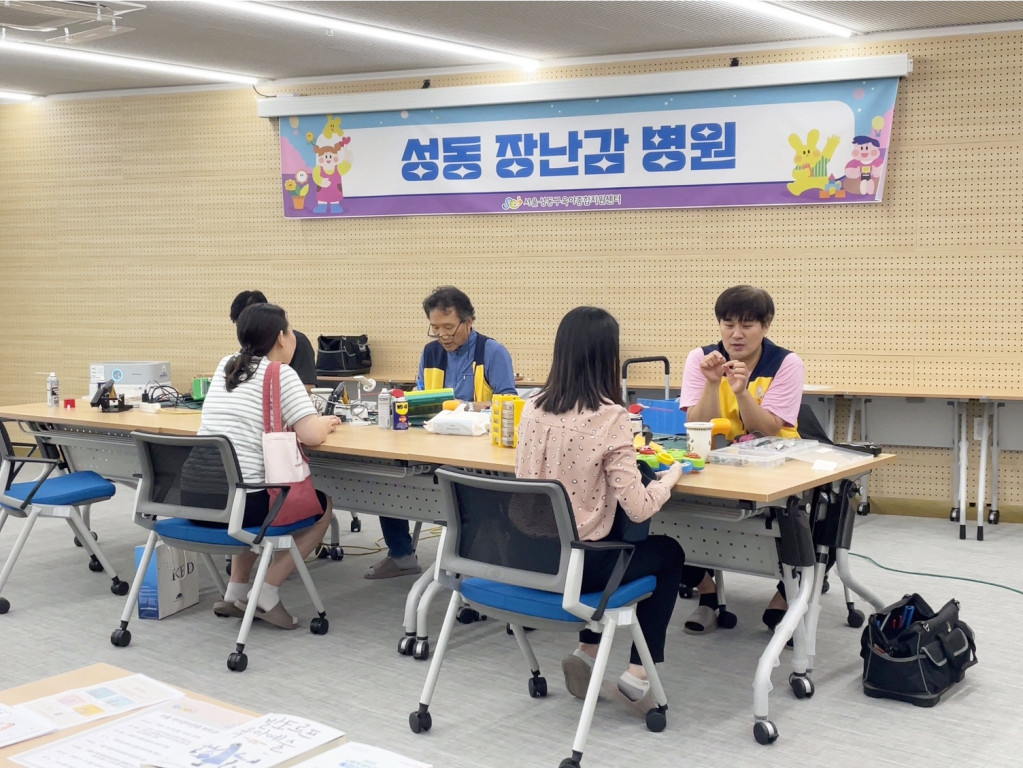
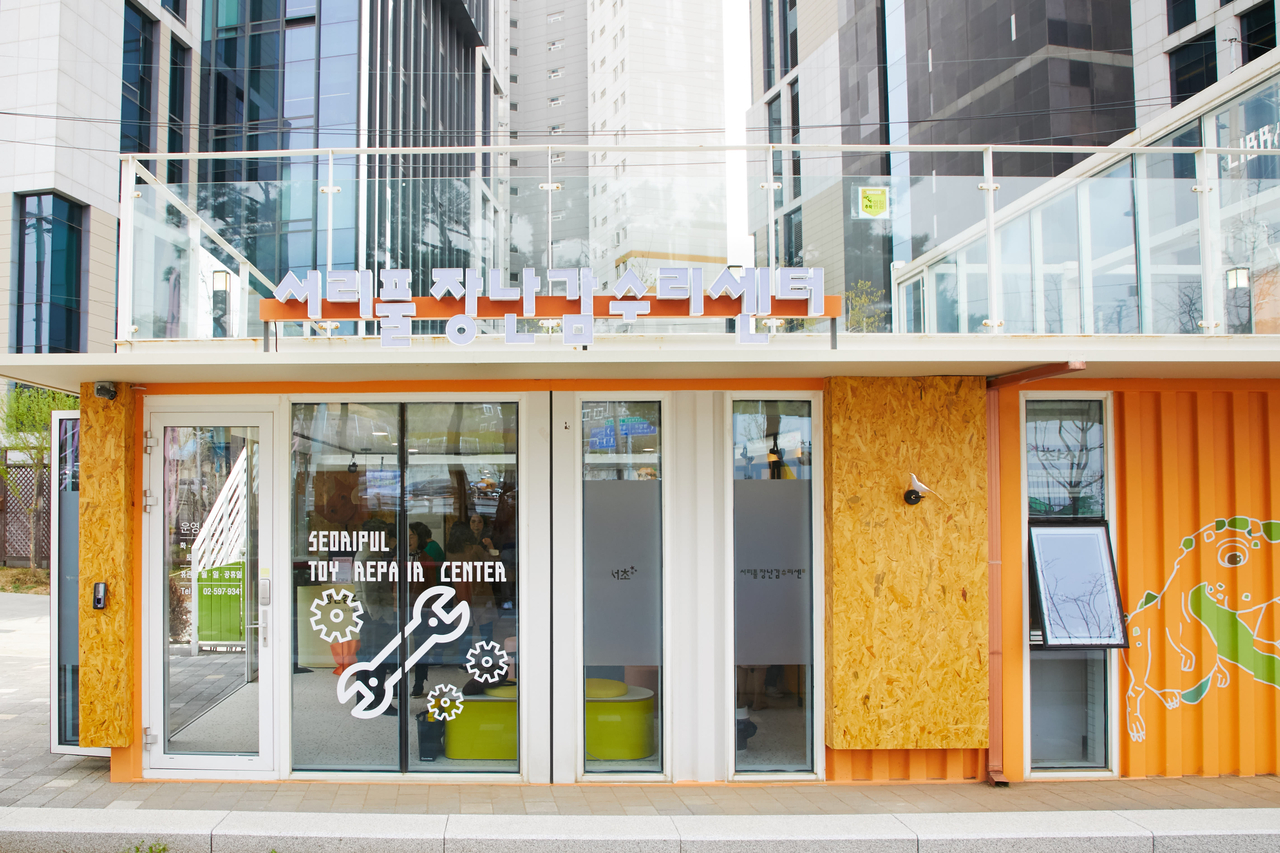
All 25 districts offered public bicycle repair services, while 19 offered umbrella repairs. Seven districts — Gangdong, Nowon, Seocho, Seongdong, Seongbuk, Yangcheon and Yongsan — had programs for fixing broken toys.
But only three — Gangdong, Seocho and Seongdong — offered toy repairs regularly or year-round. Services in the other four districts were limited to occasional programs or one-off events.
Only four districts offered electronics repairs, with Songpa the only one providing a regular service. All the clothing, shoe and furniture repair programs covered by the study were offered on an occasional or one-off basis.
The findings cover district-supported repair programs, not private repair shops or services run directly by the Seoul Metropolitan Government.
In some districts, however, repair programs offered a more dependable option.
For example, in Seodaemun-gu, a volunteer group offered free umbrella repairs at the Hongeun 2-dong community center on Wednesday and Thursday afternoons. Volunteers underwent six training sessions and two months of practice before joining the program.
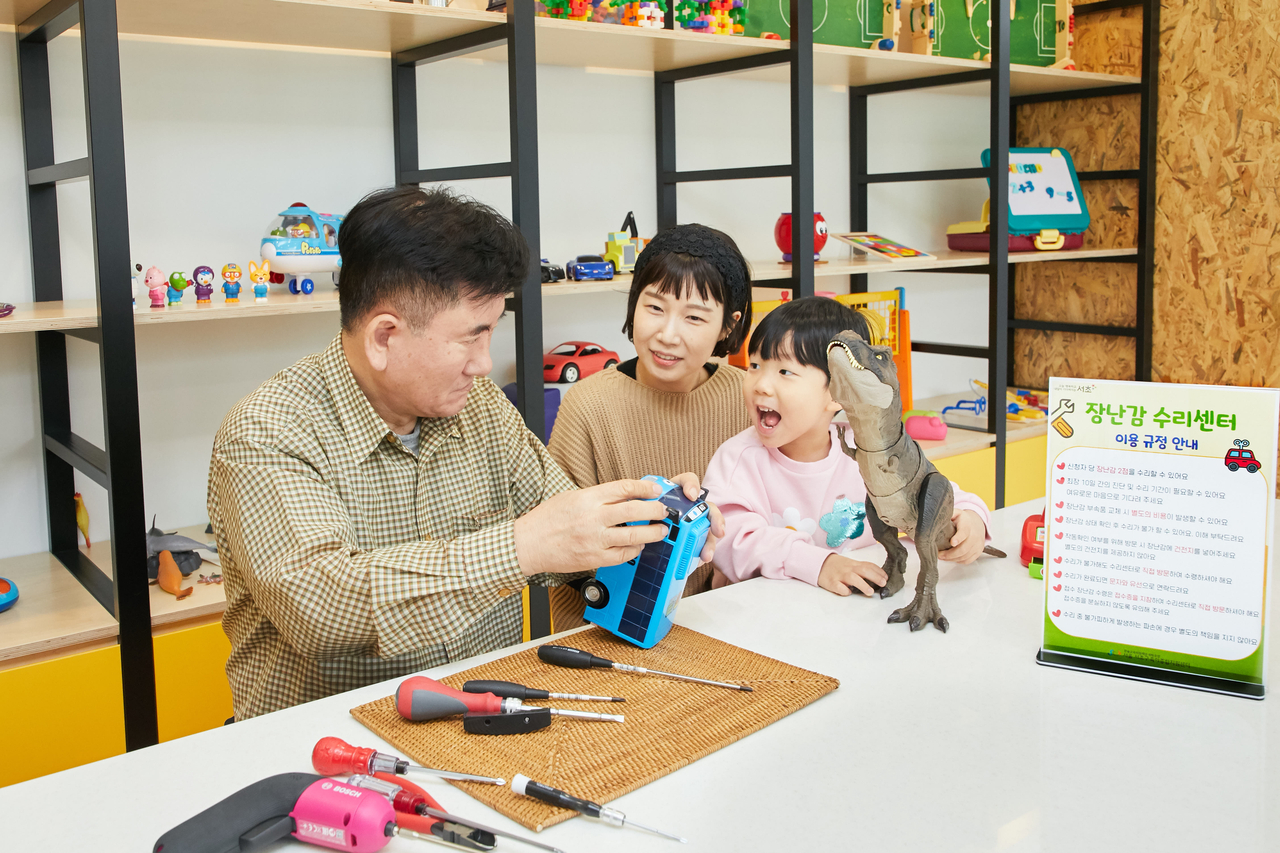
Yangcheon-gu offered a toy repair service that residents could book online. Trained middle-aged and older workers visited seven toy libraries to repair toys. The service was free for library members, who paid a membership fee.
Even when repair services are available, there are limits to what can be fixed. The Yangcheon program, for example, is limited to one toy per household and covers only electrical or power-related faults.
Still, a senior official at Yangcheon-gu told The Korea Herald that the program had completed 355 repairs for 237 residents so far this year, free of charge.
“The service has drawn positive feedback from parents because repairing them means children can continue playing with their favorite toys,” the official said.
The district also provides repair support for mobility aids, including manual and powered wheelchairs and mobility scooters.
As of the end of September, it had helped 234 residents with 234 repairs, spending about 23.84 million won ($17,800). Residents can receive up to 100,000 won per repair, with a maximum of 300,000 won per person each year, according to an official.
Building a repair system in a throwaway society
To improve access, Kang called for more permanent or regularly operating neighborhood repair centers, a wider range of repairable items and clearer information on where residents could get help.
The SKFEM and RCSEI have also launched Gochimap Seoul, an online map that brings together information about repair services across the city and allows residents to share their experiences.
"The goal is to make it easier for residents to find help when something breaks, rather than searching multiple websites or contacting individual district offices," Kang said.
"Making repair services easier to find is an important step toward helping more Seoul residents fix their belongings instead of throwing them away."
junheee@heraldcorp.com