
President Lee Jae Myung on Monday ordered a thorough investigation into allegations that an automotive battery manufacturer repeatedly injected workers with heavy metal-removing drugs disguised as vitamin shots.
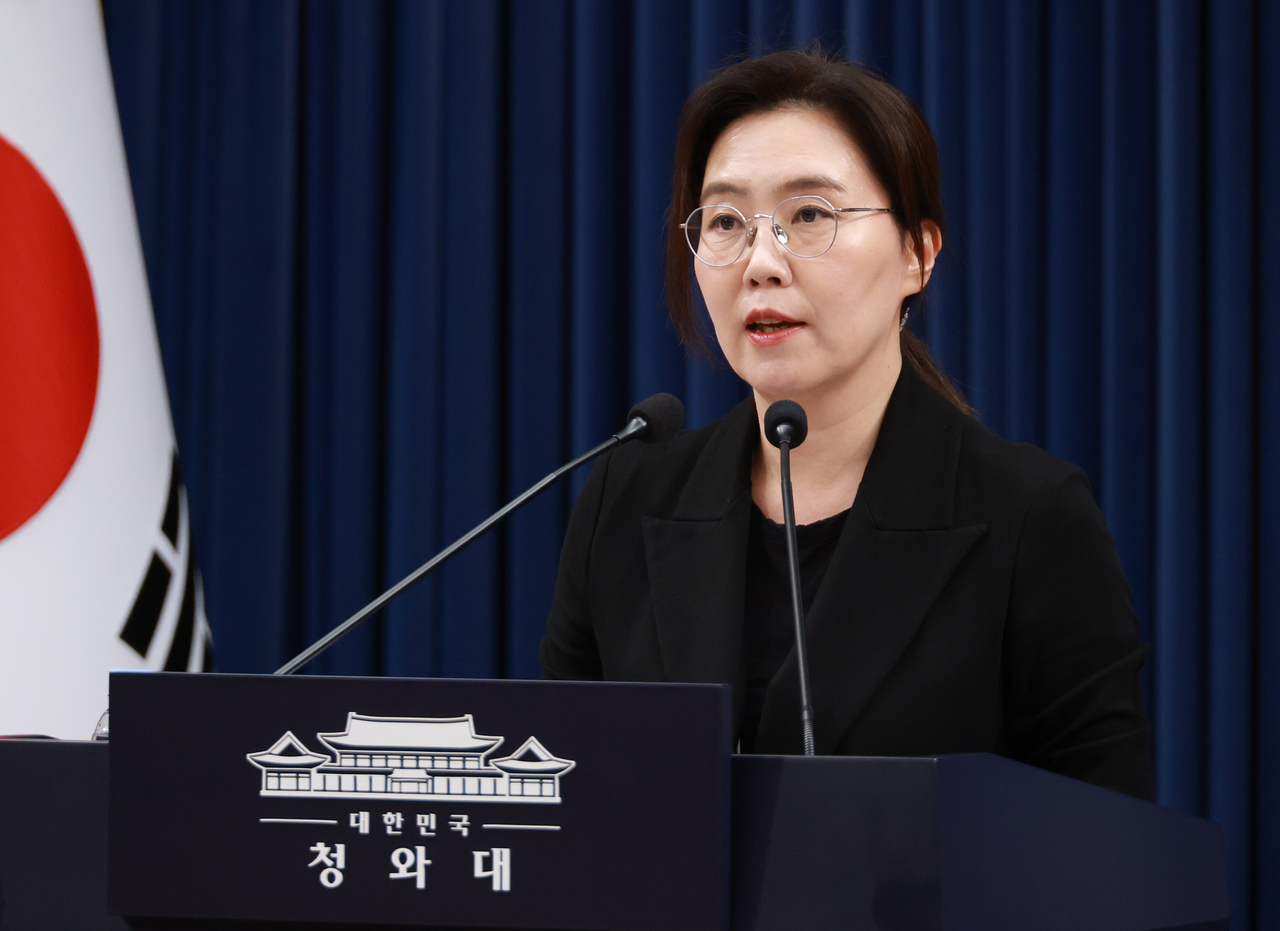
Lee had received a report from the Ministry of Employment and Labor on measures taken in response to the allegations and its plans for further action before issuing the instructions, according to senior presidential spokesperson Kang Yu-jung.
Lee instructed the ministry and investigative authorities to "thoroughly investigate" workers' exposure to hazardous substances, the circumstances surrounding the injections and any concealment of medical examination results,
Lee also called for "strict action in accordance with the law" if any violations were found, Kang added during a press briefing on the matter.
Lee condemned the alleged practice as "a grave violation of human rights that can never be tolerated," saying the company had concealed the risk of side effects of chelation injections and workers' exposure to hazardous substances, Kang said during a press briefing.
Chelation therapy can cause serious side effects, including kidney damage, and is generally reserved for cases of significant heavy metal poisoning.
According to Kang, Lee strongly criticized the company for allegedly using deceptive practices such as chelation injection to pass workplace environmental assessments despite lead concentrations exceeding permissible limits by more than fivefold during production.
Lee's order came after local broadcaster MBC reported Sunday that workers at DN Automotive's battery plant in Ulsan had repeatedly received chelation injections shortly before mandatory medical examinations.
The injections, designed to remove heavy metals such as lead from the body, were allegedly presented to workers as vitamin shots.
The allegations have raised concerns that the injections were used to artificially lower workers' blood lead levels ahead of mandatory health screenings, potentially concealing the extent of their exposure to hazardous substances.
DN Automotive has denied forcing workers to receive the injections, maintaining that the treatments were voluntary.
The president also ordered authorities to examine whether similar practices have occurred at other workplaces, calling for stronger protections for workers' health and human rights against attempts to circumvent occupational safety and health regulations.
dagyumji@heraldcorp.com