Attention turns to whether students will ultimately choose medical track or sicence and tech institute, as 'regional doctor system' also increases medical school quota
Early admissions applications to South Korea’s four science and technology institutes surpassed 30,000 for the first time, apparently driven by the launch of new artificial intelligence-related majors and growing student interest in semiconductor programs, according to Jongro Hagwon, a major college entrance exam prep academy.
The academy said Monday that a record number of students applied to the country’s four science and technology institutes — the Korea Advanced Institute of Science and Technology, Gwangju Institute of Science and Technology, Ulsan National Institute of Science and Technology and Daegu Gyeongbuk Institute of Science and Technology — during the early admissions period for the 2027 academic year, held from Sept. 7-11.
A total of 33,349 students applied to the four institutions, up 8,926, or 36.5 percent, from 24,423 a year earlier.
DGIST recorded the largest year-on-year increase in applications at 48.9 percent, followed by UNIST at 41.6 percent, GIST at 36.2 percent and KAIST at 20.1 percent.
The average competition rate across the four institutions also rose from 14.1 applicants per place last year to 16.13 this year.
Institutes introduce AI-related majors to address boost in demands
Jongro Hagwon attributed the surge to growing demand for AI- and semiconductor-related fields, as the institutes have introduced or expanded recruitment for AI programs while the government and private companies increase investment in training talent for advanced industries.
The four institutes newly established AI-related majors for the 2027 academic year and plan to admit a combined 340 students.
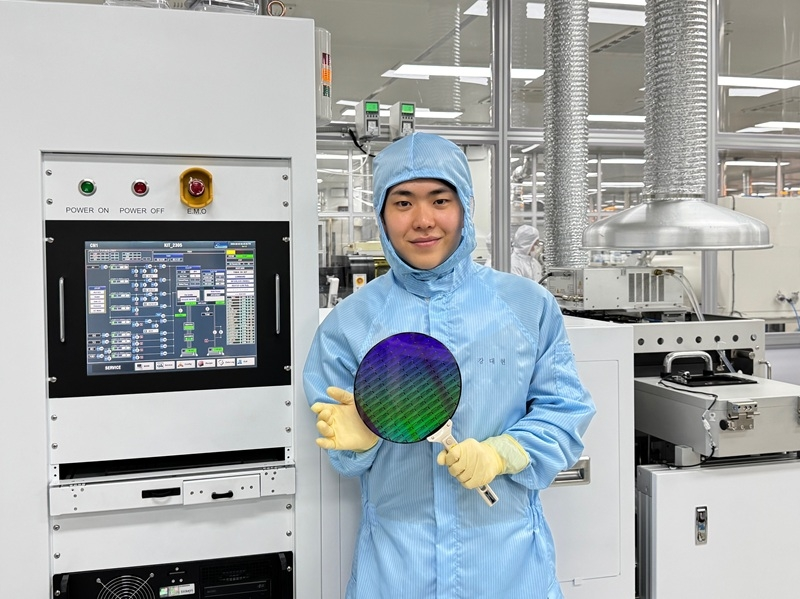
Interest in semiconductor contract departments also increased. Applications to Samsung Electronics-linked semiconductor programs rose 80.6 percent at GIST and 53.9 percent at DGIST compared with the previous year.
At KAIST, the quota for the Semiconductor Systems Engineering Department was reduced from 100 to 40 following the introduction of a new AI major, leading to a sharp decline in the number of applicants. The competition rate nevertheless increased from 4.20 applicants per place to 4.63.
Unlike medical schools, the four science institutes are not subject to the six-application limit for early admissions.
With medical school enrollment also set to increase for the 2027 academic year following the introduction of the regional doctor system, attention is expected to turn to which option students admitted to both medical schools and science institutes ultimately choose.
“With both enrollment quotas and the number of applicants increasing at the science institutes, there are likely to be significantly more students admitted simultaneously to medical schools and science and engineering programs at other universities,” said Lim Sung-ho, head of Jongro Hagwon.
“This is also expected to become a significant variable affecting admission cutoffs for science and engineering departments at general universities and regional medical schools.”
seungku99@heraldcorp.com


