Hyundai Motor will invest $500 million in its Alabama plant to produce hybrid vehicles and extended-range electric powertrains, expanding US manufacturing as it seeks to reduce tariff exposure and meet growing demand.
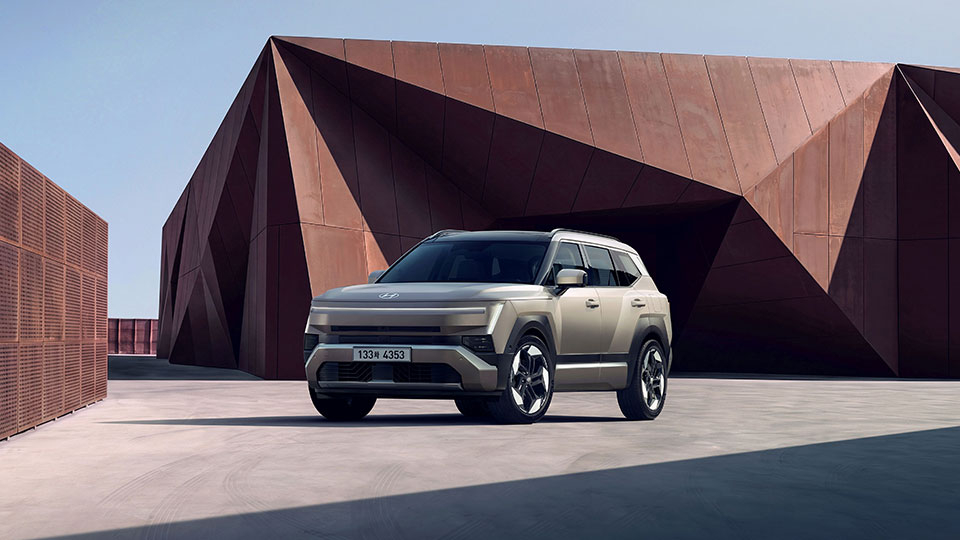
Hyundai Motor President and CEO Jose Munoz announced the investment at the Automotive News Congress in Detroit on Tuesday. The plant will begin producing the Tucson Hybrid, followed by an extended-range electric version of the Santa Fe.
The investment will support the development and production of next-generation engines, hybrid components and extended-range electric vehicle, or EREV, powertrains.
Tucson is Hyundai’s best-selling SUV in the US. The Alabama plant currently produces gasoline-powered versions, while all Tucson Hybrids sold in US market are imported from Ulsan, South Korea.
Producing hybrids locally would reduce Hyundai’s exposure to the US’ 15 percent tariff on imported vehicles and diversify its manufacturing base.
Hybrid sales in the US are helping Hyundai Motor Group gain ground there. Hyundai and Kia sold a combined 343,689 vehicles in July and August, capturing 12.1 percent of the market and overtaking Ford for third place, according to market researcher Omdia.
Hyundai’s US hybrid sales rose 33 percent on-year in August, led by the Tucson Hybrid. Hybrids accounted for more than 31 percent of Tucson sales last year, up from 12 percent in 2021.
Hyundai plans to use its new EREV powertrain in both the Santa Fe and Tucson, with the Santa Fe EREV scheduled to launch in the US in the first half of next year.
Munoz also confirmed that Hyundai is developing a body-on-frame pickup truck for 2030, targeting a segment dominated by General Motors, Ford and Stellantis.
hyejin2@heraldcorp.com