
Autumn walks through forests of royal tombs, fortress in Suwon
As autumn settles over Korea, its royal heritage offers new ways to experience the season — from quiet forest walks around centuries-old royal tombs to lively evenings at Suwon Hwaseong.
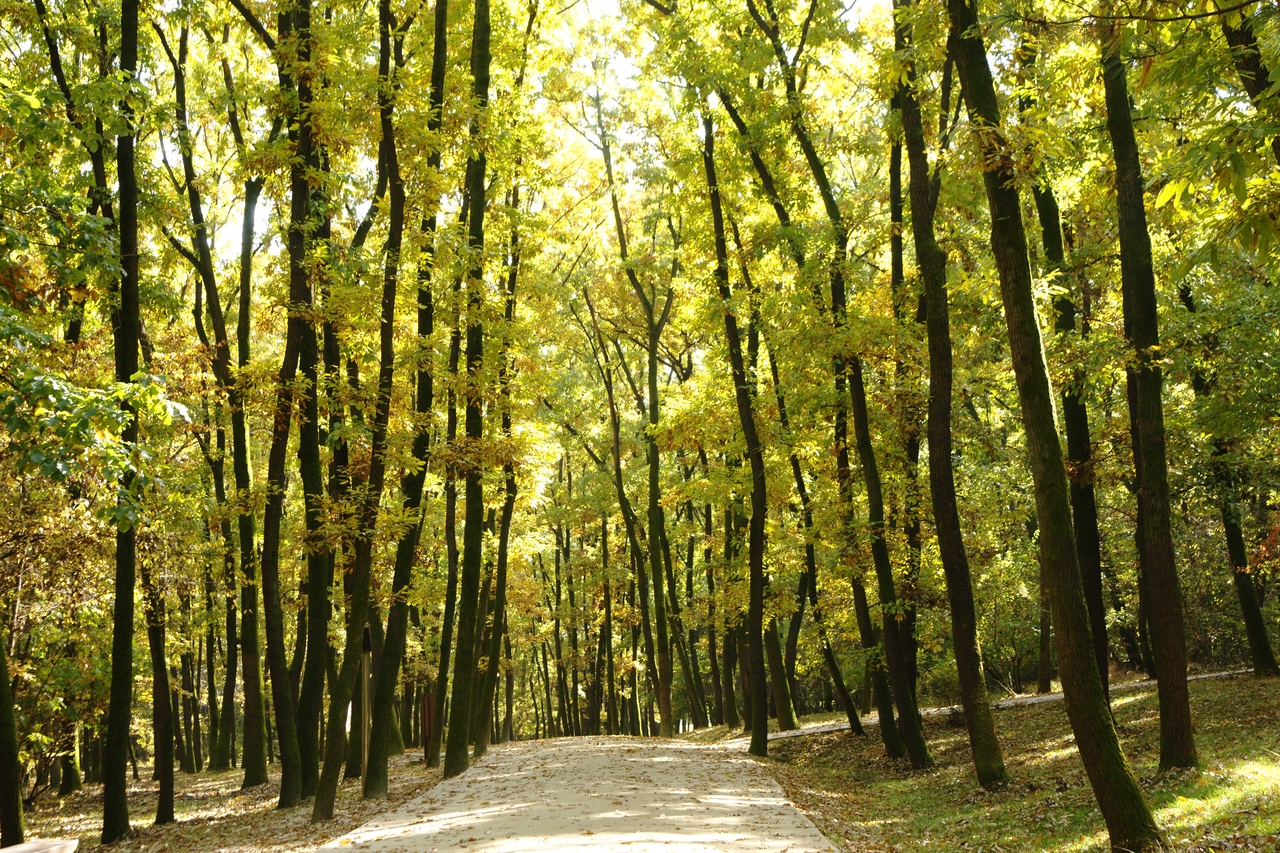
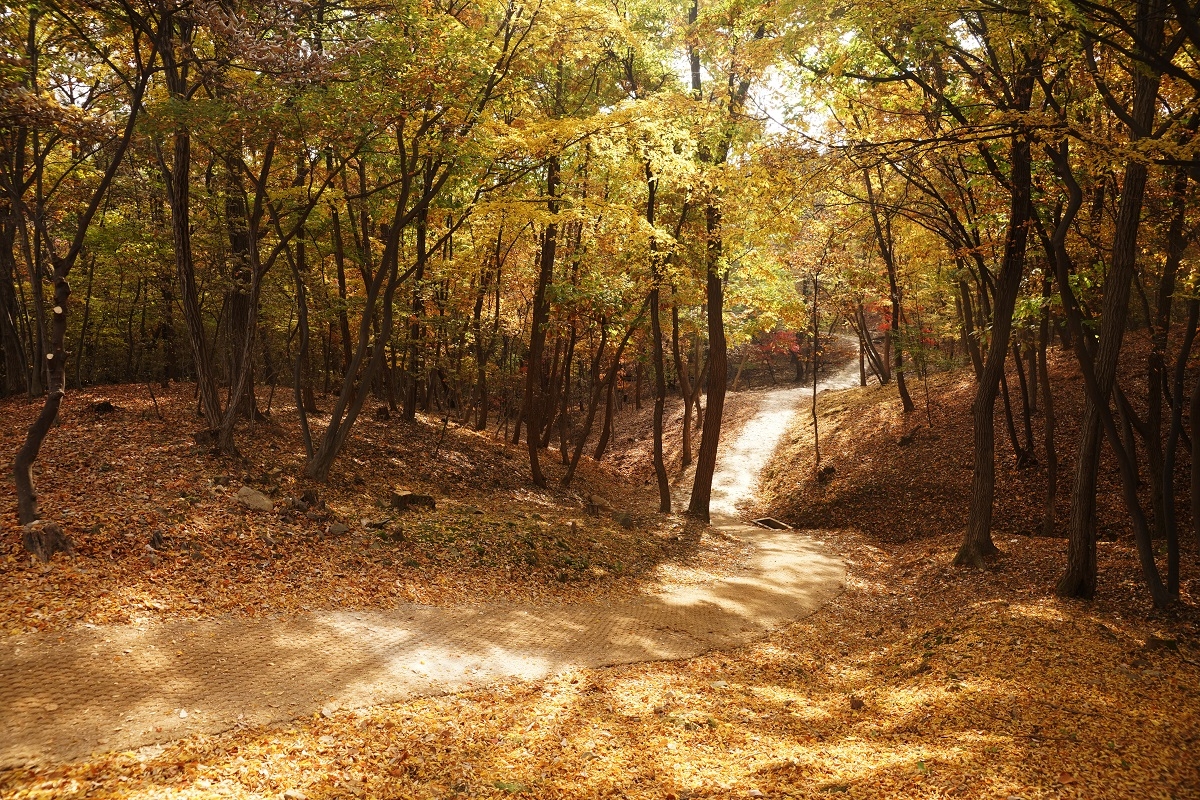
From Oct. 1 through Nov. 29, nine forest trails at the Joseon royal tombs, a UNESCO World Heritage site, will open for the season, giving visitors a chance to walk beneath autumn foliage and experience the royal tombs from a quieter, more natural perspective.
The trails have been opened regularly in spring and fall since 2019. The Korea Heritage Service has also continued maintenance work to make the paths safer and more accessible while preserving the distinctive landscape of the royal tombs.
Together, the nine trails stretch about 19 kilometers across the Greater Seoul area comprising the capital, Incheon, and Gyeonggi Province. They include forest paths leading between tombs, trails through pine and maple forests, and routes that pass quietly behind the burial mounds.
In the eastern area, visitors can walk the Donggureung trails in Guri, Gyeonggi Province, the maple tree forest trail at Gwangneung in Namyangju, and the pine tree path behind the burial mound at Sareung, also in Namyangju, Gyeonggi Province.
Donggureung, or “East Nine Royal Tombs,” is a sprawling royal burial ground where nine tombs from different periods of the Joseon era are gathered in one forested landscape. They include the tomb of King Taejo, the Joseon founder and first king, as well as those of King Munjong (5th), King Seonjo (14th), King Hyeonjong (18th), King Yeongjo (21st) and King Heonjong (24th).
In the central region, the trails include the path connecting Taereung and Gangneung, the forest trail at Uireung in Seoul, and the outer forest trail at Yeongneung in Yeoju. The tombs here are associated with figures including King Jungjong (11th), King Gyeongjong (20th) and King Hyojong (17th).
To the west, visitors can explore the forest trail north of the burial mound at Jangneung in Paju, the trail connecting Yungneung and Geolleung in Hwaseong, and the forest paths around Samneung in Paju.
The trails are open during the same hours as their respective royal tombs. In October, they are open from 9 a.m. to 5 p.m.; in November, from 9 a.m. to 4:30 p.m. They are closed on Mondays, and hours or access may change depending on weather conditions.
Journey back to King Jeongjo’s Suwon
For eight days in October, Suwon Hwaseong Fortress will become a stage for history, performances and autumn evenings.
The 63rd Suwon Hwaseong Festival will take place from Oct. 4 through 11 around the Joseon-era fortress in Paldal-gu, Suwon, Gyeonggi Province. Last year's festival drew more than 1.12 million visitors, according to Suwon City.
Stretching 5.74 kilometers, Hwaseong Fortress is considered a masterpiece of Joseon architecture and was added to the UNESCO World Heritage list in 1997.
Construction began in February 1794 under King Jeongjo, the 22nd monarch of the Joseon dynasty (r. 1776-1800), during a period often associated with a cultural and political renaissance in late Joseon. The fortress was completed in October 1796, making this year its 230th anniversary.
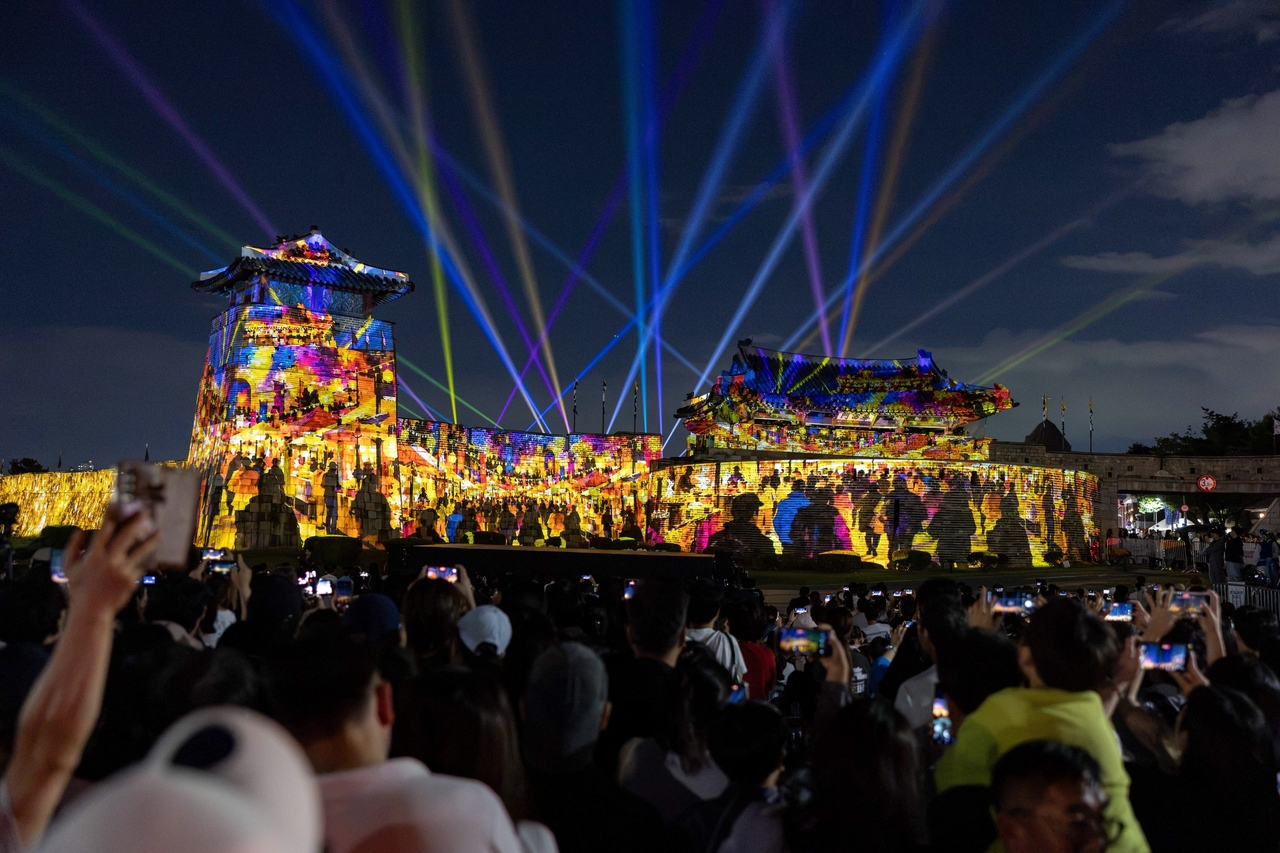
The anniversary will be marked with events across the city, including historical reenactments, performances, media art and nighttime programs.
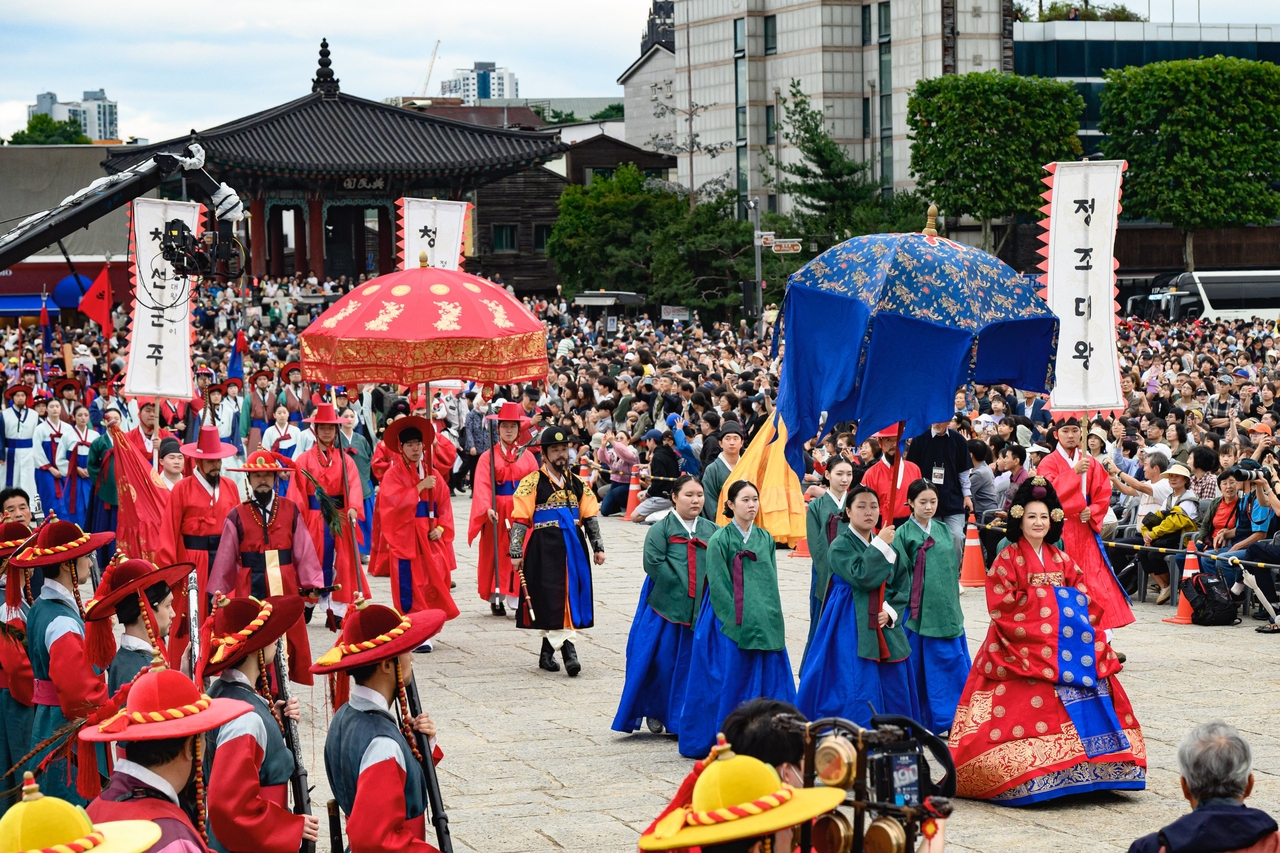
One of the main events on Oct. 4 will be King Jeongjo's Royal Parade, a reenactment featuring about 1,240 local participants, some 1,000 people in the procession and 60 horses in Suwon. A corresponding procession will also take place at Changdeokgung in Seoul.
The spectacle recalls one of the Joseon era's grandest royal journeys. In 1795, Jeongjo made an eight-day trip from Changdeokgung in Seoul to his father's tomb at Yungneung in what is now Hwaseong, accompanied by his mother, Lady Hyegyeong, as part of celebrations for her 60th birthday. The journey included a vast royal procession and military ceremonies, elements that the festival brings back to the streets of Suwon each year.
Hwaseong Fortress was more than a military stronghold. Jeongjo built the fortress around a larger political and personal vision. He moved the tomb of his father, Crown Prince Sado, to nearby Hwaseong after Sado died amid a bitter political struggle. The new city was also intended as a base for strengthening royal authority and challenging the factional politics of the time.
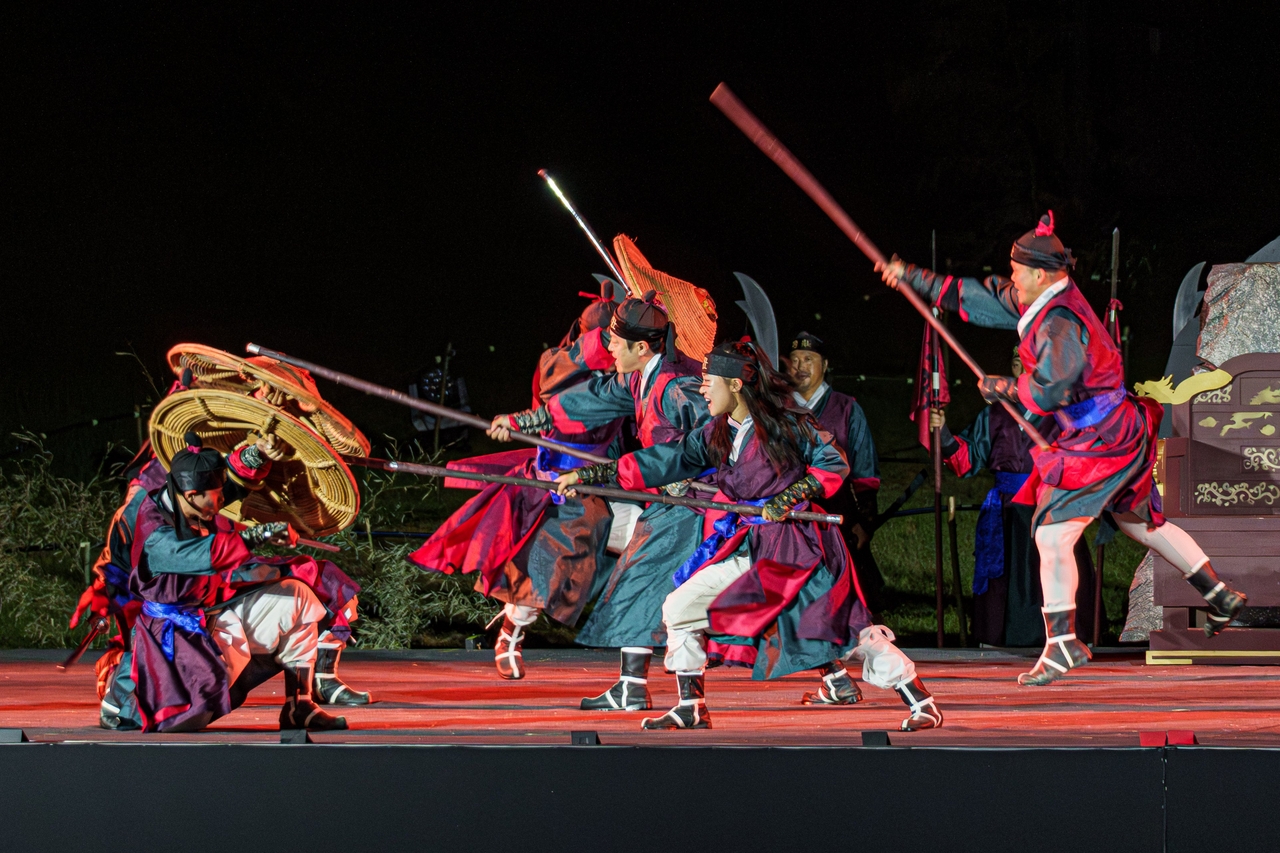
At Yeonmudae, the fortress’s historic military training ground, a "Yajo" performance will recreate the nighttime exercises Jeongjo held with his elite Jangyongyeong troops during his 1795 journey. Horseback performances, choreography, lighting and sound will transform the grounds from Oct. 7 through 10.
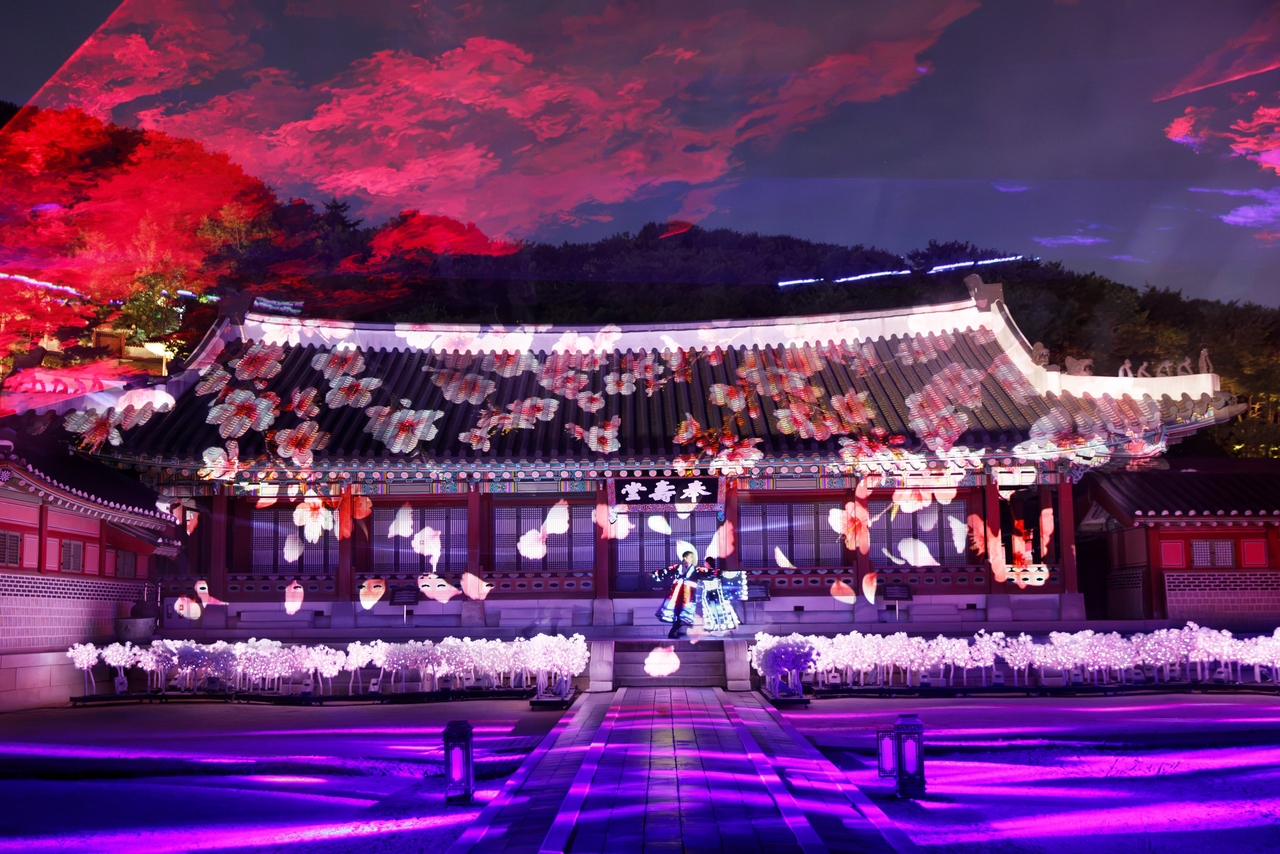
For something quieter, a performance “Seonyumong: King's Dream” at Yongyeon will blend water, light, music and media art, with traditional imagery reimagined through contemporary visual effects. The nighttime program runs from Oct. 5 through 11.
The festival is also making it easier for international visitors to explore. For the first time, the "Royal Route 1795” shuttle will connect Seoul and Suwon, while a Global Village will provide a place to rest, join activities and get interpretation and event information.
hwangdh@heraldcorp.com