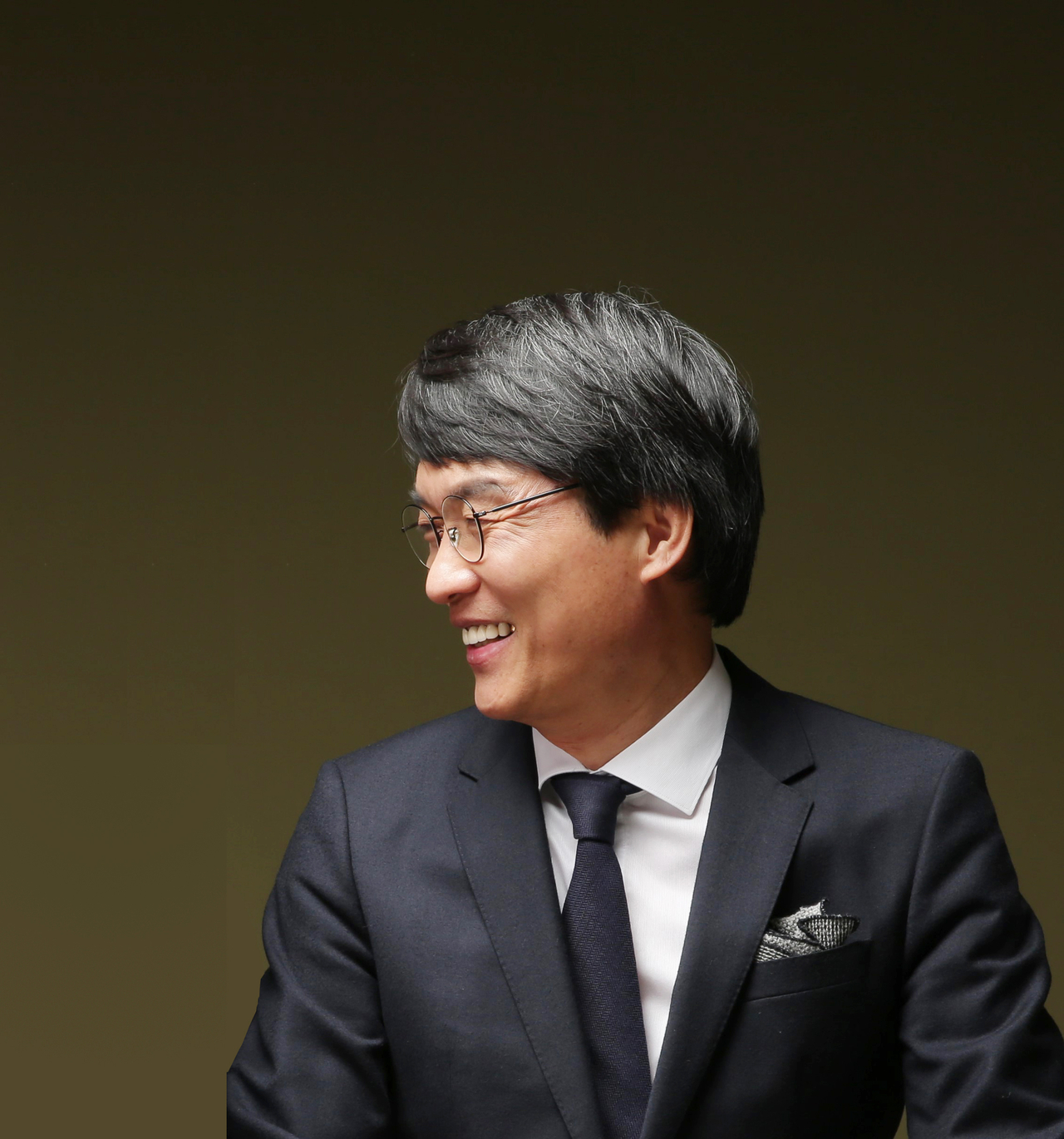
For architect Yoon Kyeong-sik, religious architecture should not make faith appear grander, more imposing or more authoritative than it is.
Instead, it should lower the barriers surrounding organized religion and allow people to encounter its essential teachings.
Yoon describes his approach as creating architecture that is “less religious, but more like Buddha” and “less religious, but more like Jesus.”
“Religious architecture differs from everyday architecture because it must address not only human life and dwelling, but also faith, death and the values people associate with what comes afterward,” Yoon said in a written interview with The Korea Herald ahead of Herald Design Lounge 2026. The event will be held Oct. 2 at Dongdaemun Design Plaza under the theme “Beyond Visuals.”
Yoon is chairman and architect of KACI International, where he began his career in 1984. He later worked at several leading US architecture firms, including Leonard Parker Associates, Cesar Pelli & Associates and NBBJ.
His portfolio spans religious and cultural facilities, residences and hospitality projects over nearly four decades, but religious architecture has remained at the heart of his work.
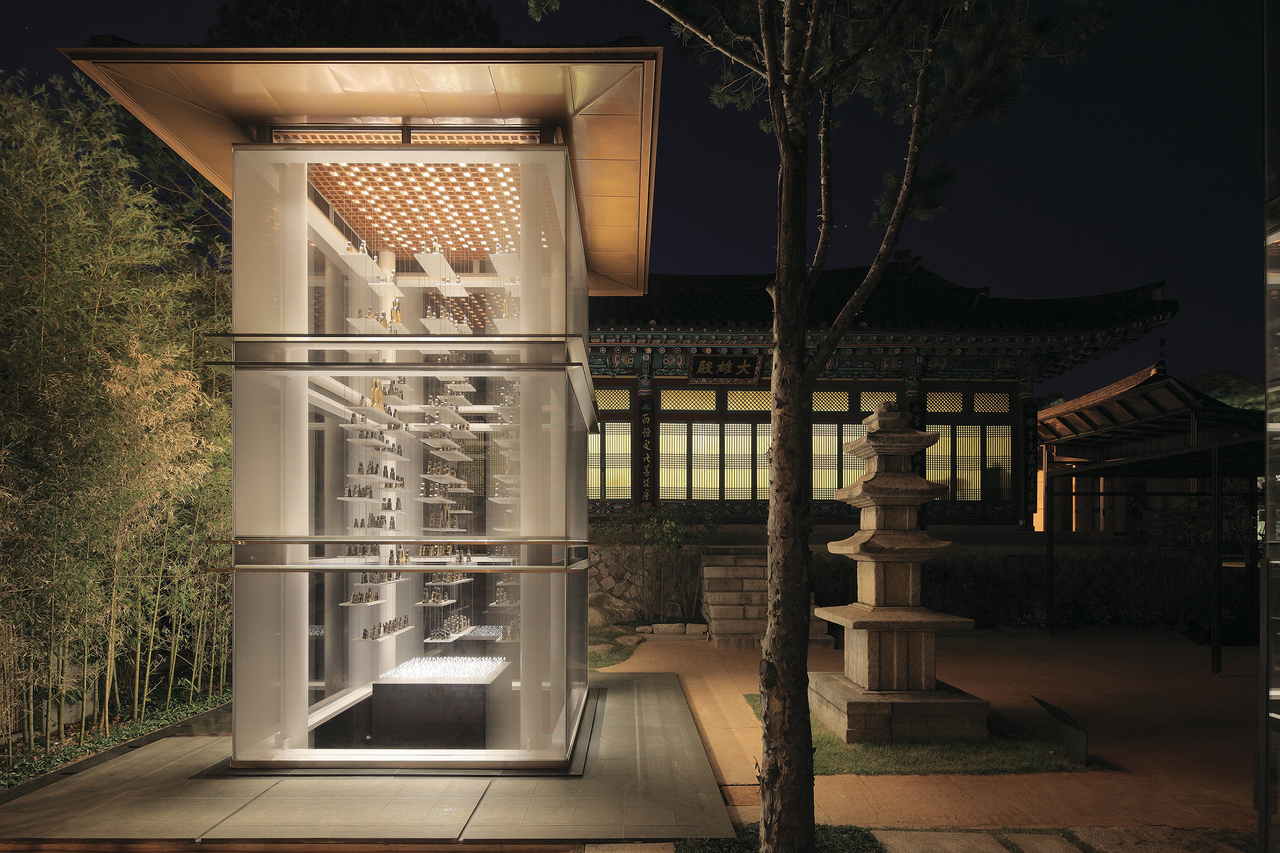
Over time, Christian architecture came to express authority through monumental spires and imposing interiors, while Buddhist architecture increasingly embraced elaborate ornamentation and colossal statues. This evolution led Yoon to question whether the purpose of religious architecture should really be to make religion appear more monumental.
“Of course, we cannot overlook how religious traditions, doctrines, rituals and practices accumulated over time have shaped architectural forms,” he said. “But my answer is the opposite.”
“Rather than creating architecture that displays religious authority, we need architecture that remains faithful to the essential values Buddha and Jesus initially sought to convey.”
For Yoon, churches and temples should speak not only to believers but also to contemporary visitors with no religious affiliation. A visitor might first mistake one of his buildings for an art gallery, concert hall or museum. But as they enter and move through the space, they should gradually begin to sense the philosophy at the heart of the religion.
“The idea is not to add religious symbols as design elements,” he said. “It is to let religious philosophy itself become the architecture.”
That approach is embodied in the Inwolsa Dhamma Center in Gangneung, Gangwon Province. The Buddhist temple was rebuilt after being destroyed in a wildfire in 2023. But rather than reproducing the wooden structure that once stood there, Yoon chose to begin again.
Given the limited construction budget and the risk of another fire, Yoon and the temple’s head monk agreed that rebuilding the temple in its traditional form would not be the right solution.
“I chose not restoration, but the establishment of a new order,” Yoon recalled.
“Instead of reproducing architecture from the past — architecture that could once again be lost to fire — I believed we should create Buddhist architecture for a new era.”
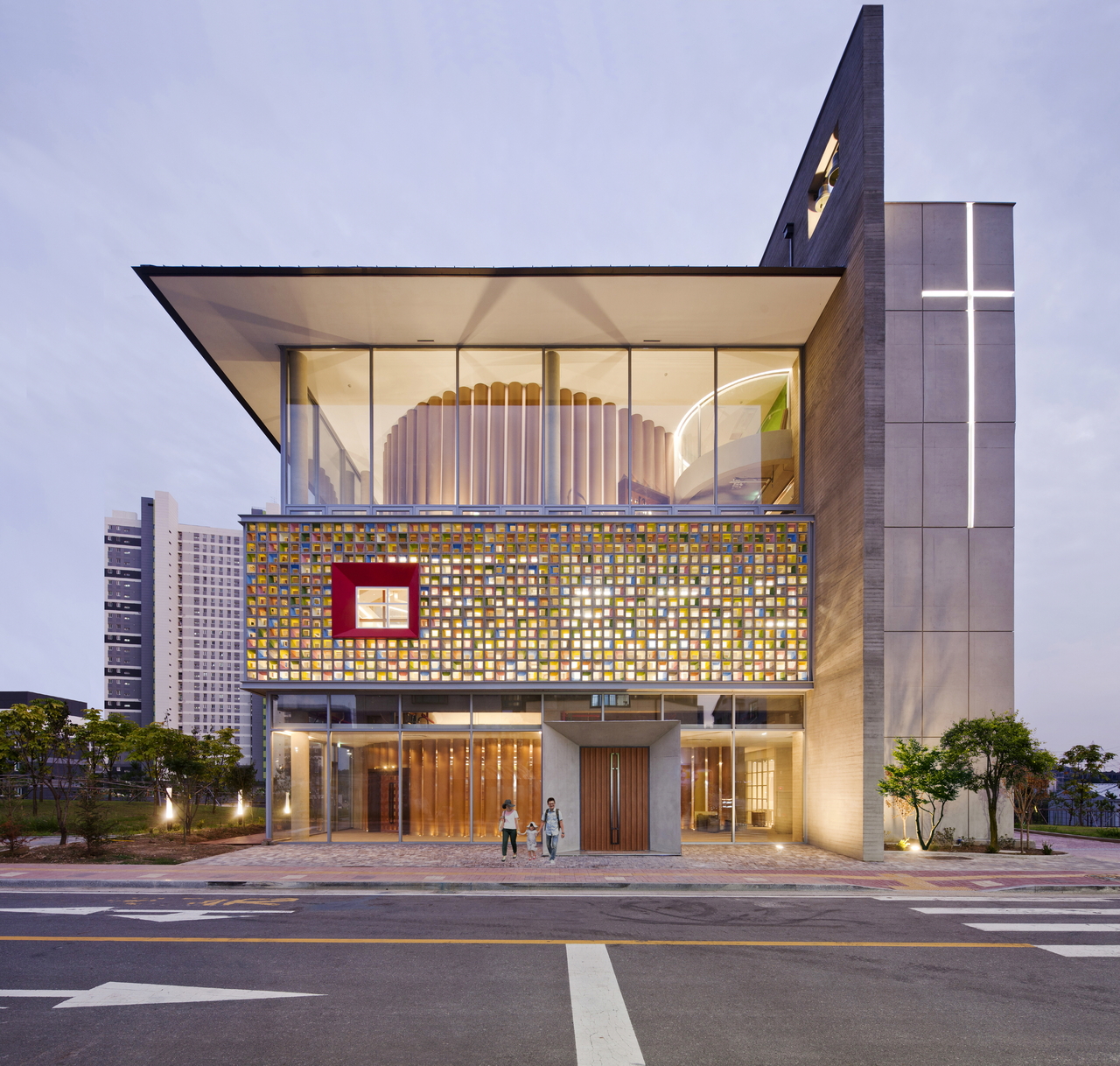
The name Inwolsa evokes the moon reflected on Gyeongpo Lake. Yoon interprets the image as a metaphor for how a single truth can reveal itself in many different forms. He translated that idea into a sweeping curved structure inspired by both a crescent moon and the shape of the Buddha’s eyebrows as described in Buddhist scripture.
Inside, a long wall made of perforated blocks in different colors evokes Indra’s net — a Buddhist metaphor for a universe in which all beings and things exist through their relationships with one another.
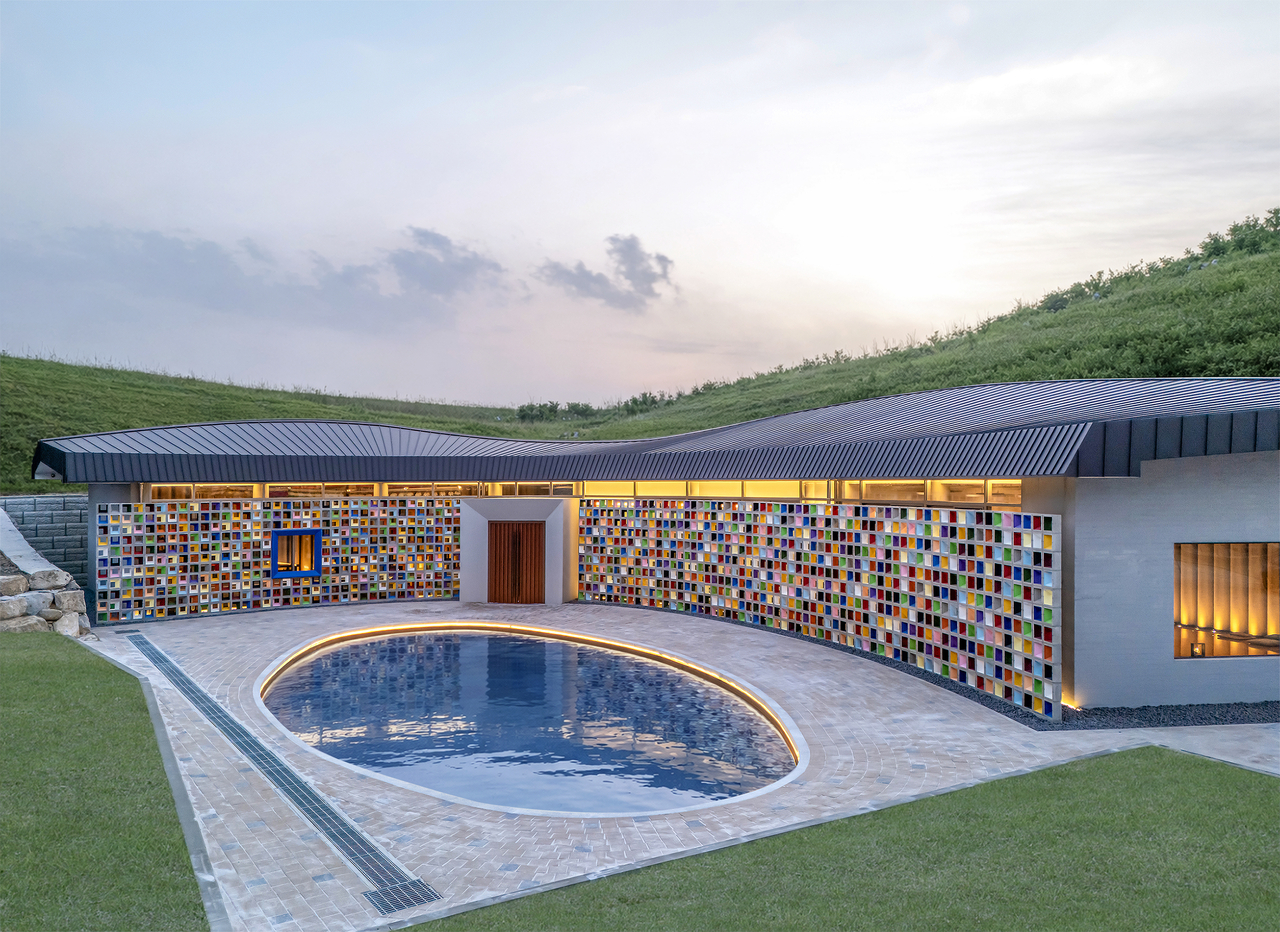
Yoon’s contemporary approach is not a rejection of tradition. Rather, it separates the spirit of tradition from the architectural forms through which it was expressed in the past.
“Inheriting tradition does not mean copying the forms of the past,” he said. “It means recreating the spirit of the past in the language of the present.”
The same idea informs Yoon’s interpretation of the theme of Herald Design Lounge 2026, “Beyond Visuals.” What lies beyond a finished building, he said, is the invisible process of thought, movement and choice that made the work possible.
“Every answer in design must ultimately be found in the human being,” Yoon said.
yunapark@heraldcorp.com