Commercial districts across South Korea are being developed into tourism destinations that combine regional culture, local businesses and K-culture, as the government seeks to draw international visitors beyond Seoul and revitalize local economies.
The two-year initiative, led by the Small Enterprise and Market Service, will support about six commercial districts outside the capital. Each selected area will be eligible to receive up to 5 billion won ($3.6 million) through the end of 2027.
The program centers on developing tourism content based on local culture, better services for international visitors, support for local businesses and startups, and stronger marketing. Key measures include multilingual guides, payment and tax-refund services, pedestrian-friendly infrastructure, hands-on tourism experiences and collaboration with influencers and content creators.
Daegu's Gyodong, Gwangju's Dongmyeong and Seogwipo's central shopping district on Jeju Island are among the commercial districts taking part, each seeking to turn its own mix of culture, tourism and local businesses into a distinctive destination for domestic and international travelers.
Gyodong commercial district
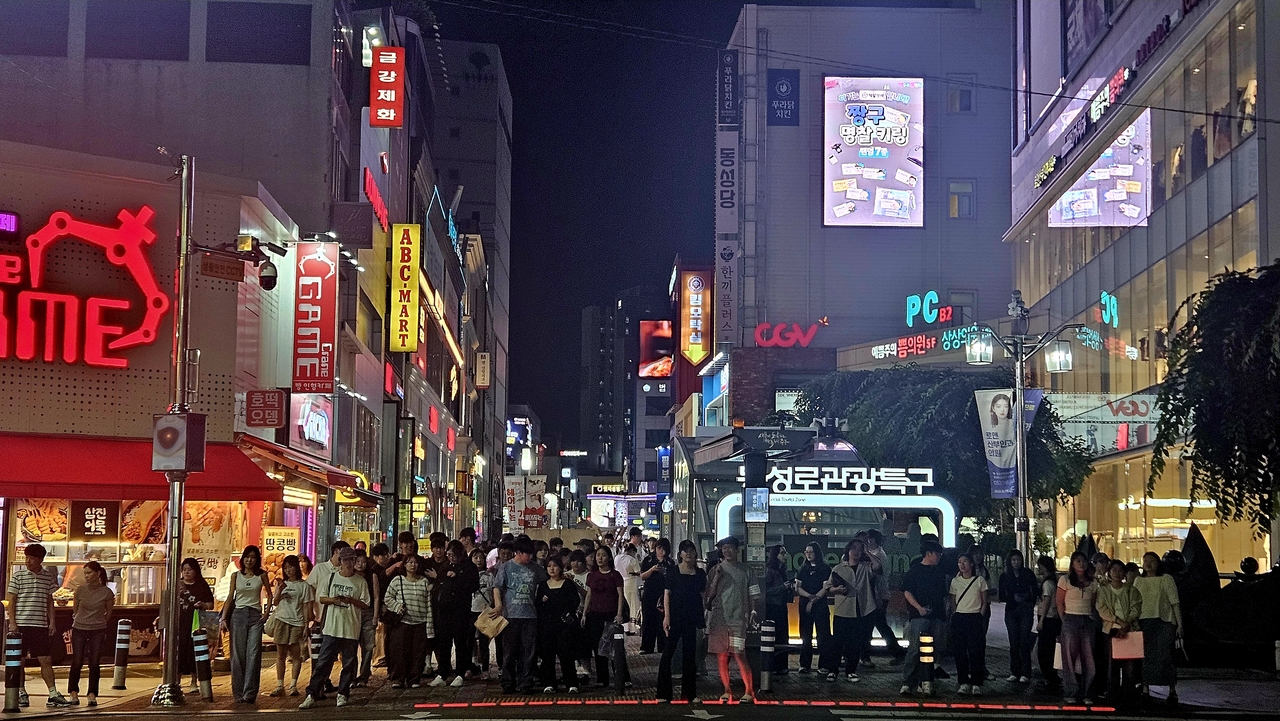
Daegu’s Jung-gu district is developing the Gyodong commercial district.
Covering about 160,000 square meters near Dongseong-ro, the area is home to 863 stores. Jewelry shops, a traditional market, an electronics market, youth-oriented F&B businesses and craft workshops are clustered together, offering visitors local experiences.
The district will develop tourism content that reflects its distinct daytime and nighttime atmosphere. Visitors can shop and enjoy local food during the day before exploring the alleys at night.
Experiential programs will connect stores, including jewelry shops, workshops and F&B businesses. By bringing different spaces and brands together under a unified identity, the district aims to encourage visitors to explore multiple venues and spend more time in the area.
Facilities for international visitors will be expanded with multilingual information and menus and mobile payments. Alleys and pedestrian routes will be improved, while photo spots and nighttime lighting will be added. An official social media channel will also be established, with influencer and creator content promoting the district’s history, merchants and stores.
Weekend flea markets will be held on car-free streets, followed by a K-culture festival in December that combines the area’s various commercial areas. The project will run through Dec. 31, 2027, with a shopping and sightseeing route connecting Dongseong-ro, Gyodong and Daegu Station.
Dongmyeong commercial district
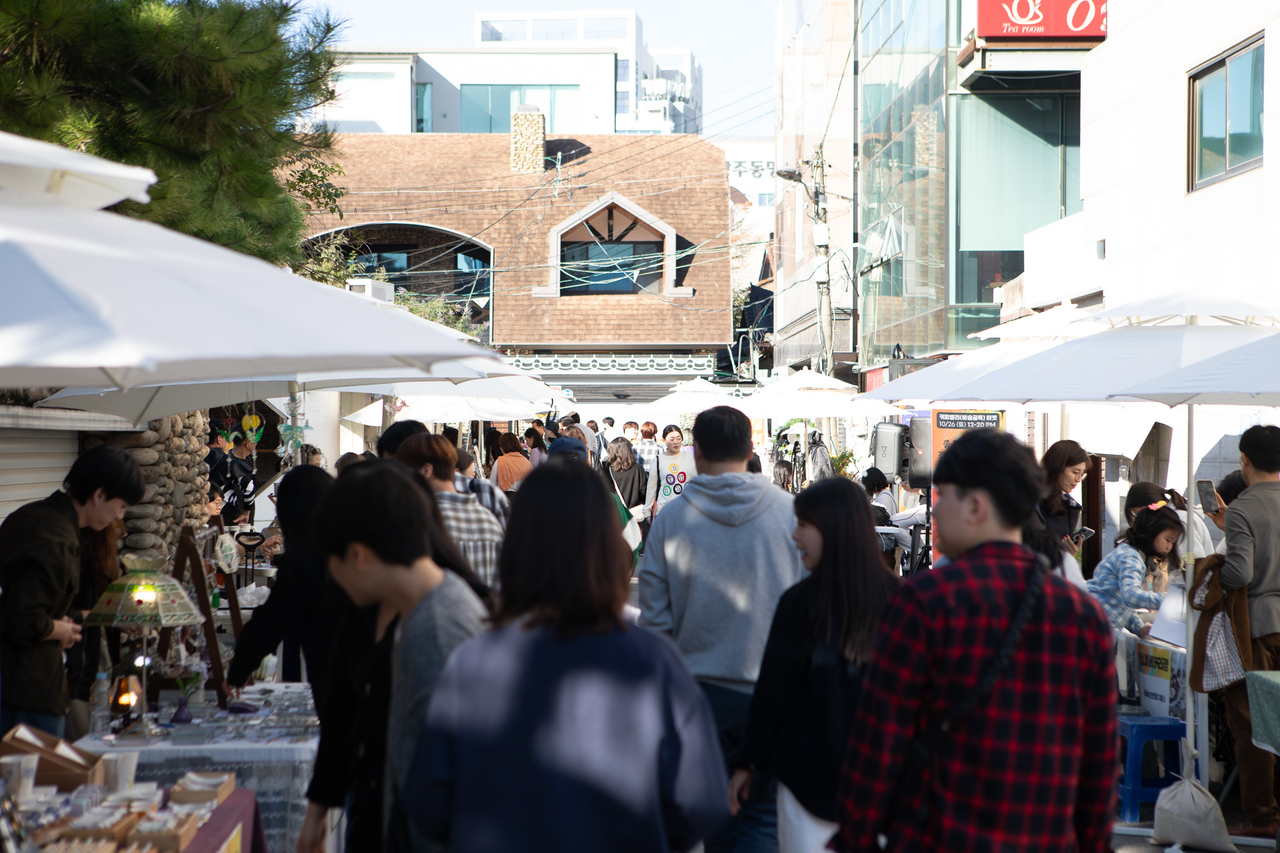
Gwangju’s Dongmyeong commercial district is linking local brands with cultural and tourism content to attract international visitors.
Dongmyeong developed after the Asia Culture Center opened in 2015, drawing restaurants, select shops and independent bookstores into the area. It now covers 628,000 square meters with 686 stores, including 587 local brands, drawing many visitors in their 20s and 30s as well as overseas tourists.
The district will establish Stage Dongmyeong to connect individual local brands and promote them at home and abroad through a website in Korean, English, Japanese and Chinese, along with brand films and short-form videos.
Backstage Dongmyeong, Spotlight Dongmyeong and Stage Dongmyeong Audition support local businesses from startup to growth by providing testbeds, shared workspaces, product development and marketing programs and opportunities for overseas pop-up stores.
Tourism infrastructure for international visitors will also be expanded. The district will introduce global payment and tax-refund services and provide multilingual information and guide maps. It will analyze travel routes and spending patterns among visitors from Japan, Taiwan and China to develop tailored services and tourism packages with overseas travel agencies.
Festivals will also be expanded for international audiences. Stage Dongmyeong Festa features brand showcases, Namdo cuisine pop-ups, live cooking shows and flea markets linked to tours for foreign visitors. A stay-oriented Namdo Brand Tour connecting the ACC with Namdo food, culture and arts will also be developed to make Dongmyeong a tourism hub in Gwangju.
Seogwipo central shopping district
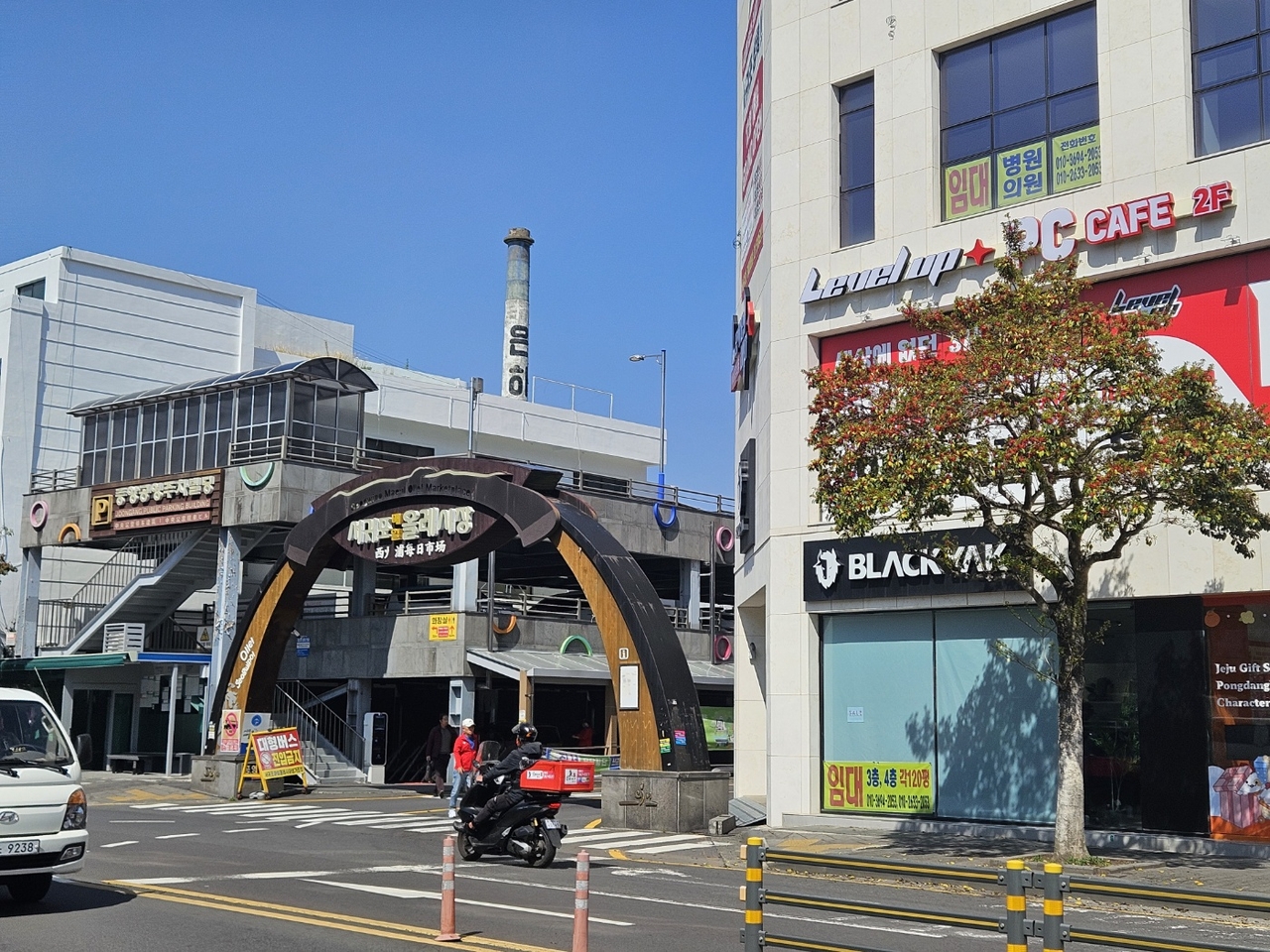
Seogwipo’s central shopping district, sitting between Seogwipo Maeil Olle Market and Lee Jung-seob Street, connects the old downtown with nearby cultural and coastal attractions.
The area stretches about 1.1 kilometers along Jungang-ro and Jungjeong-ro and is home to shops and restaurants serving residents. It also retains memories of the former Dongmyeong Department Store, once a popular meeting and shopping spot.
Visitors can start at Maeil Olle Market for food, walk through the commercial area to Lee Jung-seob Street and continue to Saeyeon Bridge for coastal views. The route can also be linked with nearby attractions including Jeju Olle Trail Route 6, Cheonjiyeon Falls and Seogwipo Port.
The district plans to add experiential programs combining Jeju culture with K-content. These will include K-fashion experiences, K-beauty programs using Jeju ingredients, and activities featuring regional lifestyles, games and architecture. Vacant and existing spaces will also be used for pop-ups and testbeds for brands.
A Glocal Meeting Center and digital walking-tour content will provide information for international visitors. Multilingual tourism information and maps, QR-based guides, augmented-reality experiences and stamp tours will be introduced, along with guidance on global payments and tax refunds.
The initiative aims to turn the area from a route between tourist attractions into a street where visitors can stay and experience Jeju Island. The existing walking route from the market through the old downtown and arts district to the coast will be expanded with local cultural experiences and new K-content.
kwonhl@heraldcorp.com
jyoungseon8@heraldcorp.com