A local number alone may not give foreign residents access to banking, delivery and government services
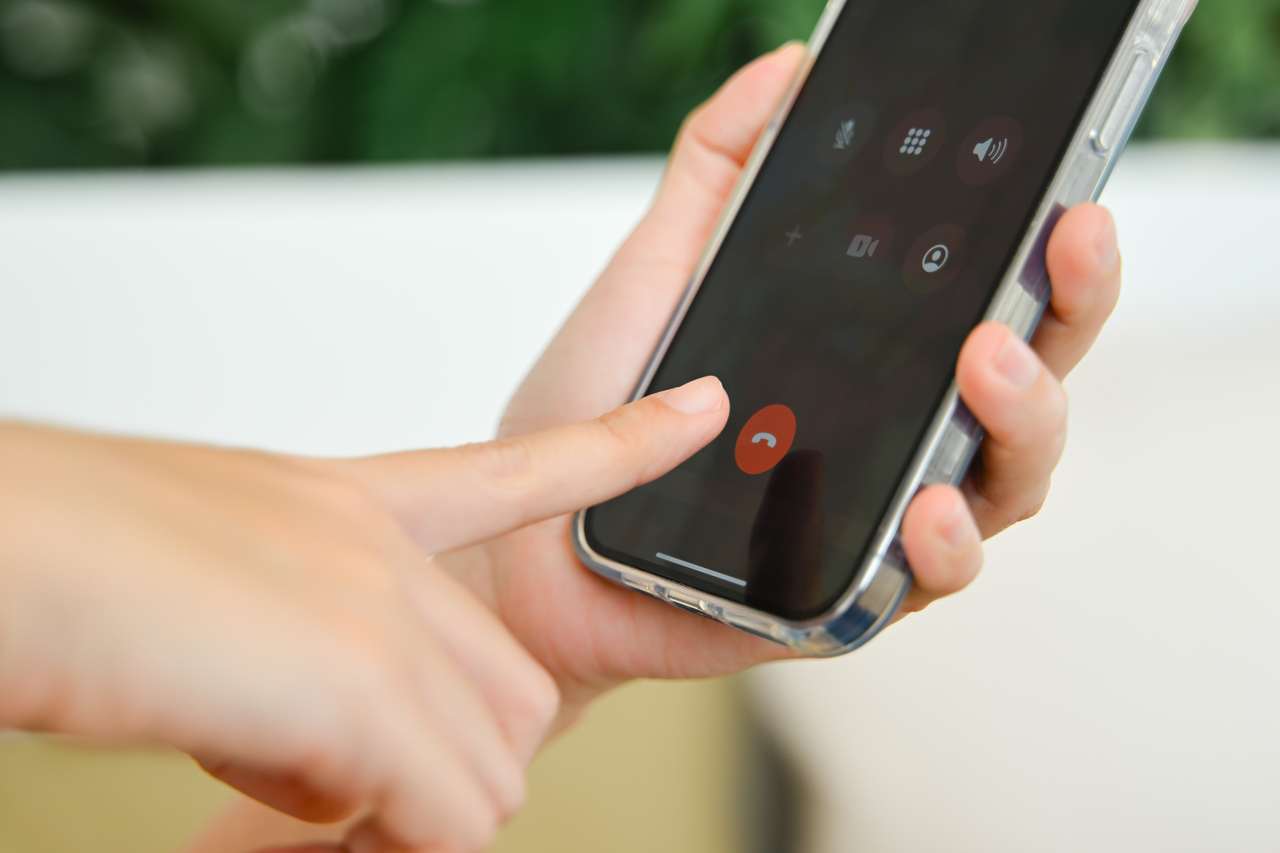
In Korea, a mobile number does more than keep you connected. It is often used to verify identity when accessing banking apps, delivery platforms, government websites and other online services.
Short-term visitors can usually manage with international roaming, a travel eSIM, a prepaid SIM card or pocket Wi-Fi. You can also sign up for KakaoTalk with a mobile number issued outside Korea.
Those staying longer, however, often need a Korean mobile line registered in their own name. Having a local number alone may not be enough, as many online services require the line to be registered under the same name and foreign resident number shown on the user’s Residence Card.
Before receiving your Residence Card
Foreign visitors can generally obtain a prepaid SIM or eSIM with just their passport. These plans may provide a 010 number along with domestic calls, text messages and mobile data.
A passport-based number can be useful immediately after arrival, but it may not work for services that verify a user’s identity against a Korean or foreign resident number.
Before choosing a prepaid plan, check whether it provides a 010 number, supports mobile identity verification, and allows you to retain the same number after receiving your Residence Card. You should also check how long the line remains active and whether it can later be converted to a Residence Card-based subscription.
The rules vary by carrier and plan. Some providers allow customers to update their identification information and keep the same number, while others may require a new SIM card or subscription.
Getting a verified number after foreign resident registration
Foreign nationals planning to stay in Korea for more than 90 days are generally required to register as foreign residents. A previous edition of this series explains how to complete the process and obtain a Residence Card.
Once you have the card, you can apply for a mobile plan registered to your foreign resident number. Depending on the carrier, both prepaid and postpaid options may be available.
Applicants typically need to present their Residence Card and passport, along with a payment method such as a Korean bank account or Korea-issued card. They will also need a phone that supports the carrier’s SIM or eSIM.
Visa type, the remaining period of stay and the carrier’s internal rules may affect eligibility for certain postpaid plans or handset installment programs.
South Korea’s three major mobile carriers are SK Telecom, KT and LG Uplus. Lower-cost plans are also available from mobile virtual network operators, commonly known in Korea as altteulpon carriers.
When comparing plans, consider the data allowance, contract period, early termination fees and availability of foreign-language customer service, as well as whether the line supports mobile identity verification.
If you already have a passport-based prepaid number, ask the carrier whether it can be reregistered under your Residence Card before applying for a new line. Do not assume that the number will automatically carry over.
You may also need to update your phone number and identification details separately with your bank and other services after changing plans.
Protect your identity
Never lend your passport or Residence Card to another person or allow someone to open a mobile account in your name.
Mobile lines registered under stolen or borrowed identities can be used as burner phones in voice-phishing schemes, illegal lending and other crimes. Legitimate businesses should not offer payment simply for the use of your identification document.
Korea’s free Msafer identity-theft prevention service notifies users by text message or registered mail when a telecommunications service is opened or transferred under their name. It also allows users to check services registered in their name and block unauthorized new subscriptions.
If you receive a notice about a mobile service you did not request, contact the carrier immediately and check your subscriptions through the official Msafer website. Do not click links in unsolicited messages claiming to be from Msafer, as phishing messages have been sent impersonating the service.