The KAIST professor and media artist on what design has to offer when seeing is no longer believing
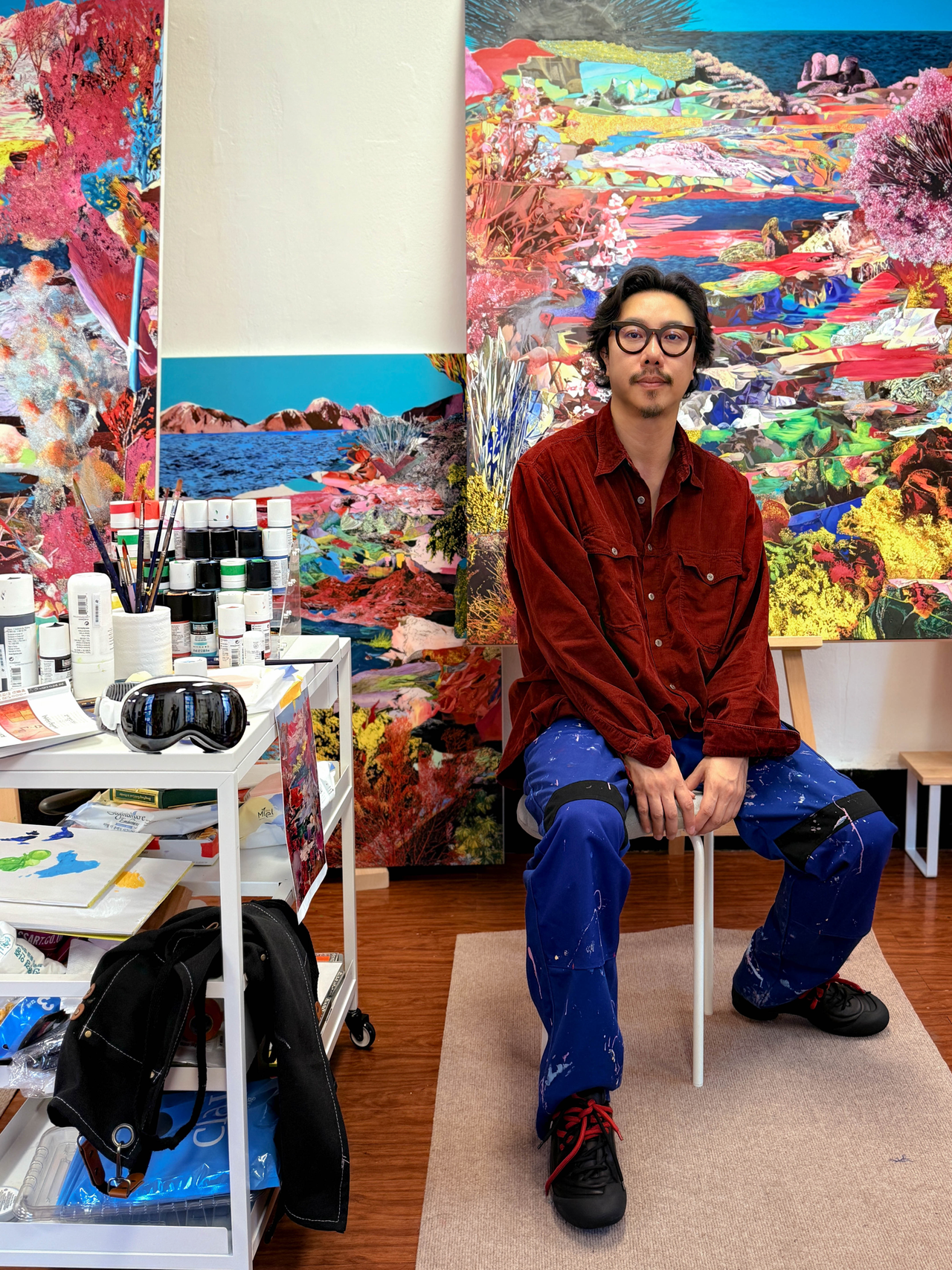
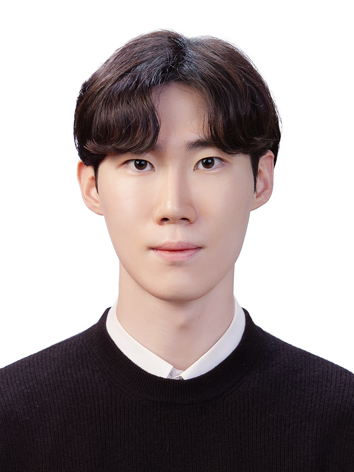
It took Lee Jin-joon, a professor at KAIST's Graduate School of Culture Technology, 2 1/2 years to earn a doctorate in fine art at Oxford. His master's degree in sculpture at Seoul National University took nearly twice as long.
He failed the qualifying exam three times after submitting the same media-based work each time; his professor insisted he come back with something more conventional. He passed only after the professor retired.
That was hardly the first time he had taken the long way around. Lee graduated from SNU with a business degree in 2001 and tried his hand at startups before reenrolling at the university to study sculpture, a decision that estranged him from his parents. He joined the KAIST faculty in 2021 and now runs the school's TX Lab, a research group devoted to turning biometric data into media art.
This year's Herald Design Lounge, formerly the Herald Design Forum, runs under the theme "Beyond Visuals" at Dongdaemun Design Plaza on Oct. 2. Lee will moderate the panel discussion, which features graphic designer Stefan Sagmeister and typographer Yu Ji-won. He answered questions from The Korea Herald by email ahead of the event. The responses have been edited for length and clarity.
Q. The panel puts you between a graphic designer and a typographer, two people who work in a visual medium by definition. What lies beyond visuals for you?
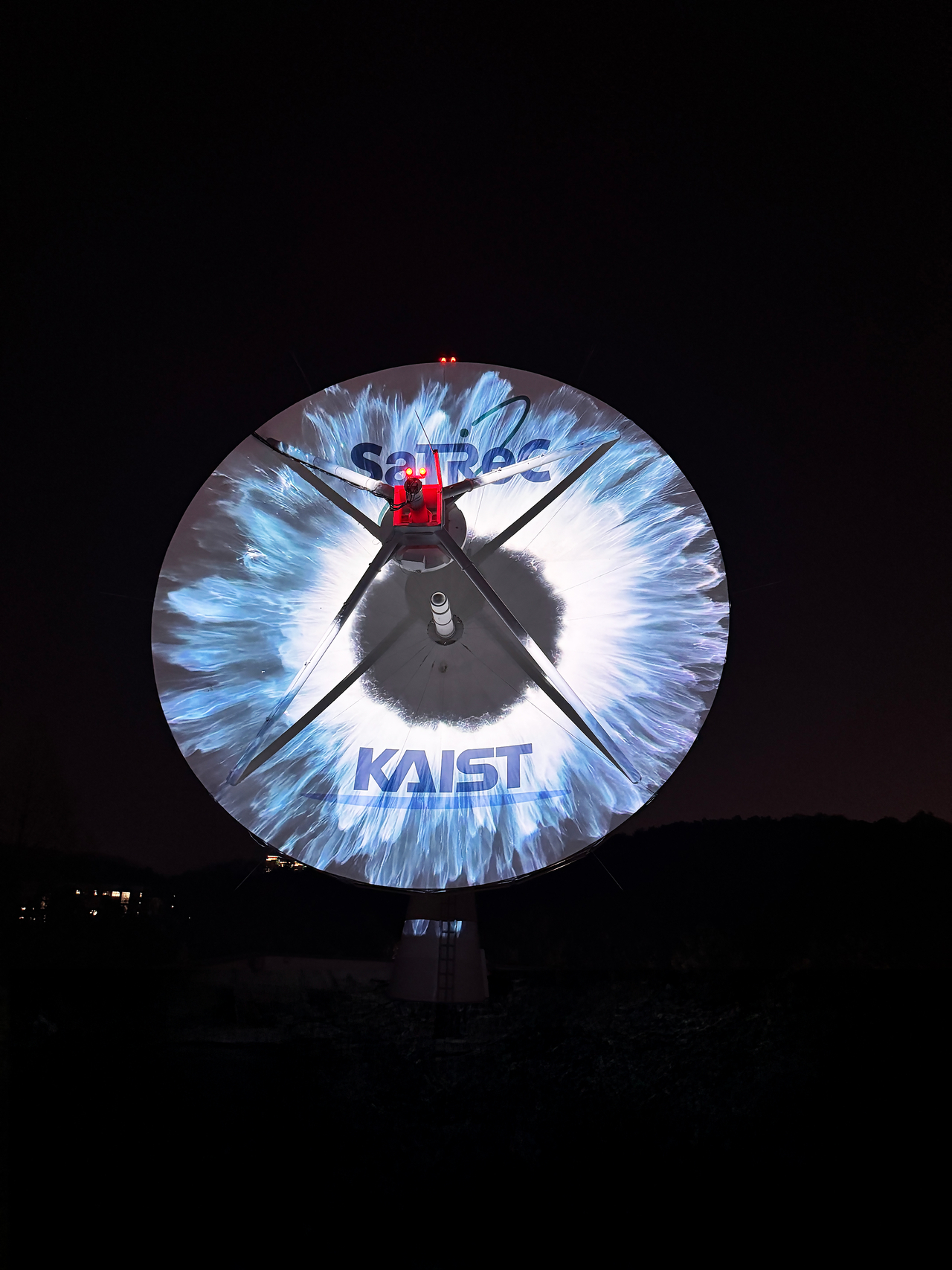
I have worked on the other side of that threshold, with iris data, heartbeats, breath and the resonance of a thousand-year-old bell. What lies beyond visuals, for me, is everything the body knows before and after the eye: sound, temperature, rhythm, the pause between things. For most of human history, seeing was believing. Generative AI has broken that equation. So the harder question is: when the eye can no longer be trusted, what experiences can a body still believe?
Q. Sagmeister opens the day arguing that, over the long run, things are getting better. Your own reading of the moment is closer to a crisis. Is that a real disagreement?
We are reading different lengths of time. Sagmeister measures the centuries over which violence, poverty and disease have declined, and on that scale he is right. My concern runs on a shorter span. Our ability to think critically and to sustain attention can collapse within a single decade even while every material indicator improves. The world has gotten better, but are we living better lives?
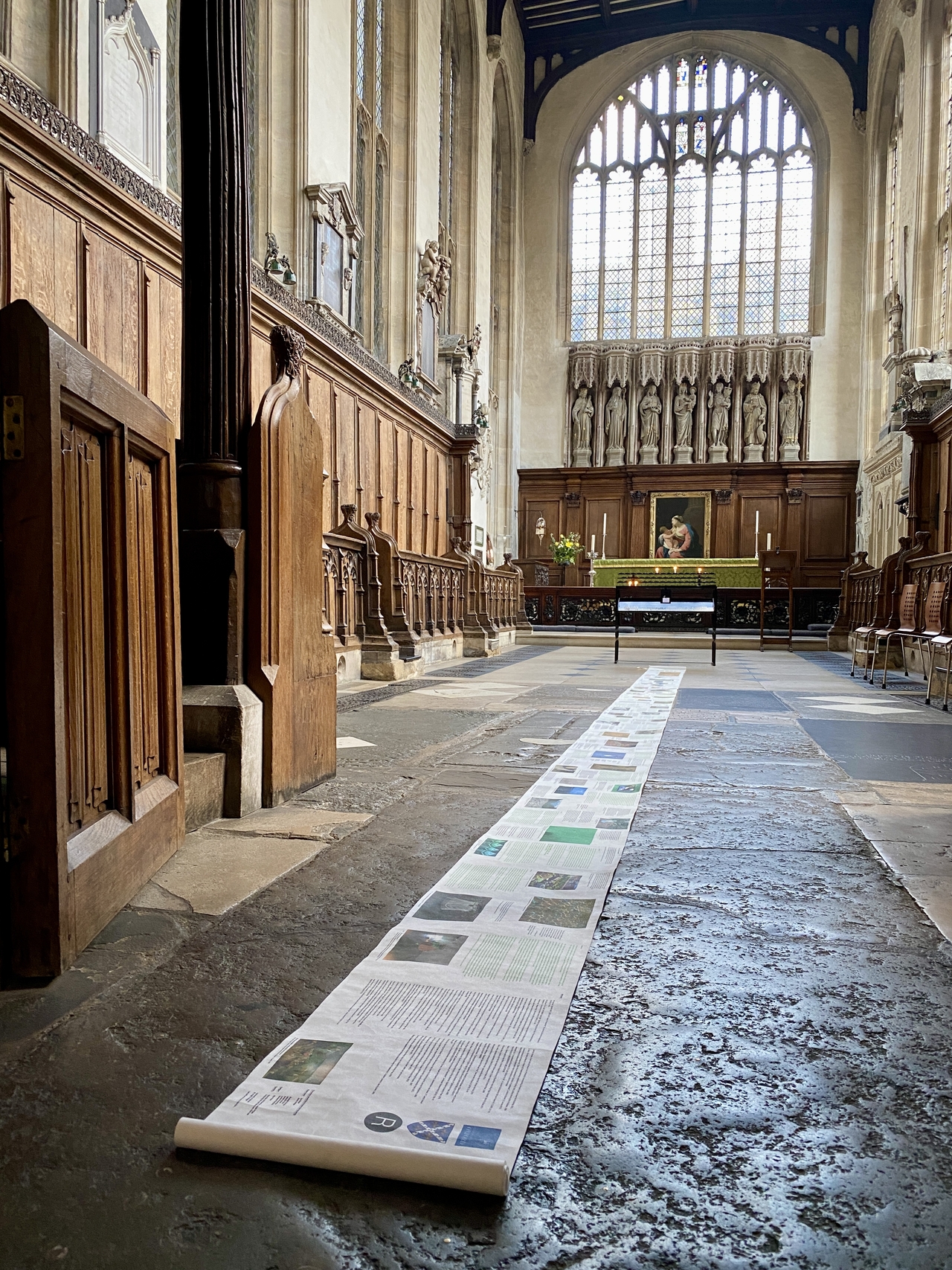
Q. Your research framework, Gardenetics, proposes the garden as an alternative to systems of control. What does that mean in practice for someone who builds interfaces, platforms or brands?
Cybernetics, from the Greek for "steersman," has governed technology for 70 years: grip the helm, minimize deviation. A gardener does not command plants; she prepares the soil, waits, and receives the unexpected as a gift rather than an error. If you build interfaces, design pauses instead of optimizing them away. If you build platforms, ask what the system should be allowed to forget. If you build brands, stop standardizing one identity across every touchpoint and tend to a living system that can surprise you and still remain itself.
Q. You've said in the past that much of what passes for media art in Korea is closer to a technology demo. Is generative AI making that worse or easier to fix?
In the short term, we will drown in demos: more immersive rooms, more particle storms, more content that mistakes resolution for meaning. Paradoxically, that exposes the long-standing problem. When anyone can generate the visuals in an afternoon, spectacle stops being a differentiator, and the question becomes unavoidable: strip away the technology, and what is this work actually thinking? What's scarce now is not production but critical thinking.
Q. You said you're writing a book for your two children that ends with the advice to stop, breathe and stay in the moment. For someone who runs a lab and a studio and has held posts in Oxford and Tokyo, that must be hard to follow. When did you last manage it?
The book is called "49," after the Tibetan bardo, the 49 days said to pass between death and rebirth. I began it for my two children, who are going through their teenage years in England. Stop. Breathe. And be. Presence is the one inheritance that cannot be generated, delegated or stored. Breath is the last medium that cannot be outsourced. The message was never about withdrawing from a busy life. It is three seconds in the middle of it: before a class begins, after a plane lands, at the studio door.
As for the last time, just before writing these answers, I sat in Marronnier Park with a cup of milk tea and watched people go about their Sunday. All we can really do is notice that we are alive while life is happening. We often fail, and even so, we can keep losing gracefully.
moonkihoon@heraldcorp.com