As design enters the age of artificial intelligence, Yu argues for keeping human judgment at the center -- and looking beyond the visual
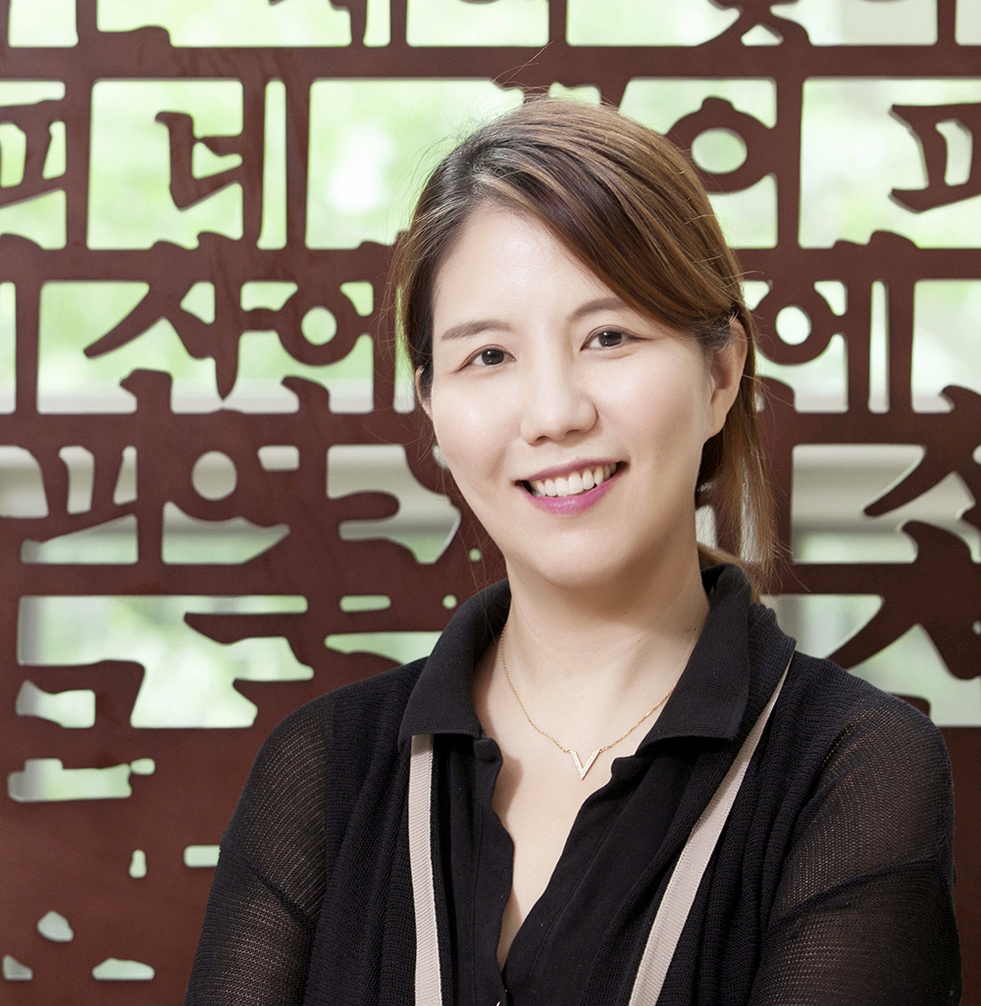
For typographer Yu Jiwon, artificial intelligence gets exactly one job: proofreading. She keeps it away from everything else — how a project takes shape, what problem it's solving, the judgment calls she believes should remain human. She'll defend that boundary alongside Grammy-winning designer Stefan Sagmeister at Herald Design Lounge 2026 on Oct. 2, in a discussion on where design is headed in the age of AI.
Yu is the director of the Institute of Typography & Culture, a writer, typography researcher and graphic designer. She studied design at Seoul National University and at the Leipzig Academy of Visual Arts and Book Design in Germany as a DAAD art scholarship recipient, and served as an adjunct professor in Hongik University's Department of Visual Design.
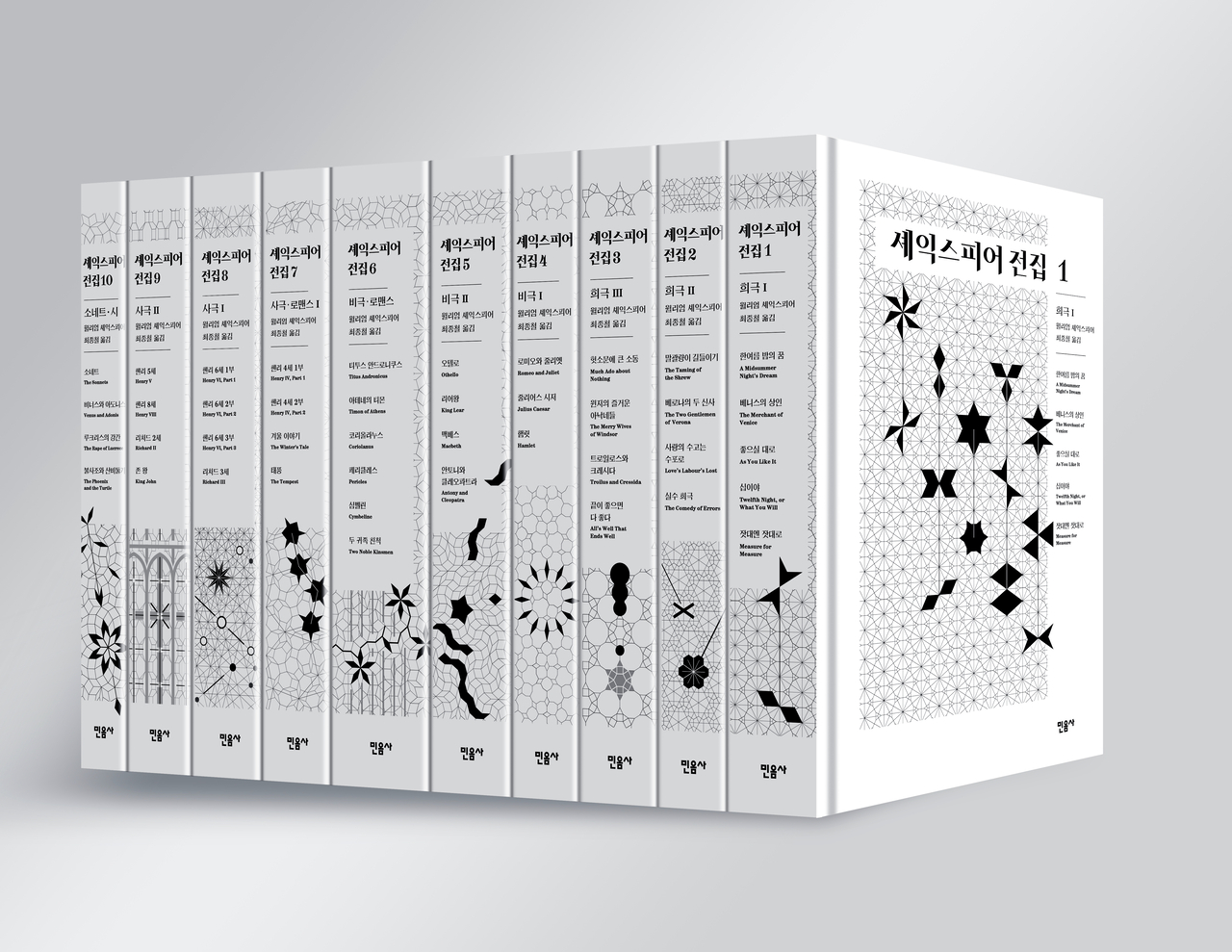
Her design work includes Minumsa Publishing's edition of the complete works of Shakespeare, and her books include "Letter Landscape" and "Newton's Atelier," co-written with a physicist.
"I only give AI a role at the very end — checking things over," she said. "I'm careful not to let it contaminate how a problem is framed and developed in the first place. Especially where human judgment has to come in, I make sure AI doesn't get mixed into that."
That distance is deliberate. "I don't work with AI," she said. "I'm interested in looking at it from a meta perspective."
As a typography researcher, she's drawn to large language models not as writing tools but as raw material — the text data behind them read not as text, but as spatial structure, translated into typography and data visualization instead of prose.
That approach is the basis of her current project, working title "Data Poesie," with a Korean title that translates as "The Empty Spaces Between Words." Yu is treating the entire vocabulary of Korean and other languages as a dataset, mapping relationships between words through poetic text and data visualization. The aim, she said, is to surface "words that don't yet have names" — gaps in language marking where the experiences of society's most vulnerable go undescribed.
That question of role is exactly what she'll take up on stage. Asked how she's redefining her own role in the AI era, Yu named four things: setting good standards for society, figuring out what people actually need, coordinating new kinds of collaboration and moving fluidly across fields — what she calls "transduction," not just transformation.
Herald Design Lounge 2026 takes place Oct. 2 at the Dongdaemun Design Plaza in Seoul, under the theme "Beyond Visuals." Sagmeister will deliver the event's keynote, and Yu will join him afterward on a panel about the essence of design and where the field is headed in the age of AI.
The event's theme resonated with her own thinking, Yu said. She reads "Beyond Visuals" as a recognition that design's value extends past visual aesthetics — and she'd push it further still, into every sense design can engage: touch, hearing, smell and taste, not just sight.
Her caution comes against a backdrop of real anxiety in the field. A vlog that circulated widely online showed a young creator describing why she was giving up on a design career because of AI. Asked what she would say to people having similar doubts, Yu did not point to new tools or workflows. She pointed to books.
"Read literature — a lot of it, deeply, for a long time, and steadily," she said. "It builds the muscle of understanding people and thinking for yourself, so you don't lose your way."
gypark@heraldcorp.com