Despite limited audience traction so far, Korean creators are increasingly turning to the format amid growing investment
Korea knows how to make a drama. Just not, it seems, a very short one.
While bite-sized series are winning audiences around the world, short-form dramas in Korea have struggled to move beyond their niche following. The format faces competition from the dominance of long-form K-dramas, and many titles remain rooted in niche genres and provocative storylines that can limit their appeal to mainstream viewers.
But can the industry afford to ignore younger viewers increasingly turning to shorter, faster-paced content on platforms such as YouTube, TikTok and Instagram Reels?
"At the moment, it is difficult to consider short-form dramas in Korea mainstream, whether measured by industry indicators such as sales and market size or by cultural impact," said Lee Sung-min, an associate professor in the Department of Media Arts and Sciences at Korea National Open University.
Lee said niche, subcultural themes have prevented the format from reaching a wider audience.
"Many female-oriented short-form dramas currently center on highly sexualized romance, while male-oriented titles often focus on niche themes such as regression or modern fantasy."
Korean audiences, he added, have high expectations for how domestic productions depict sexual relationships and sensitive themes.
"For example, short-form dramas still frequently feature scenarios in which a protagonist sexually threatens or drugs the other person — setups that could provoke discomfort when presented as part of mainstream Korean popular culture," he said.
"Ultimately, I think the fact that the genres and subject matter remain largely confined to viewers with specific tastes is one of the factors limiting short-form dramas from expanding into the mainstream of popular culture."
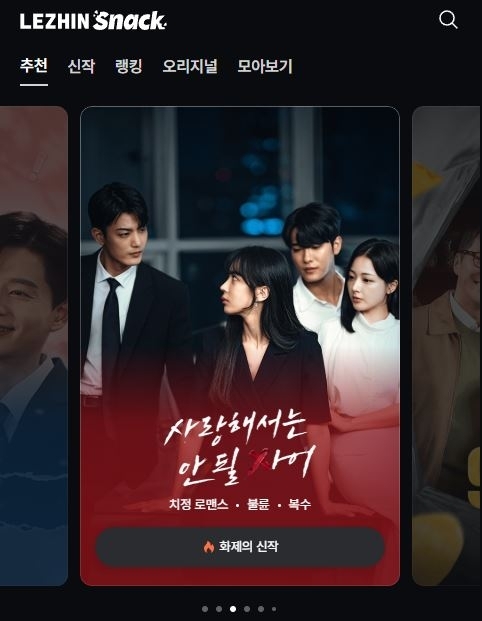
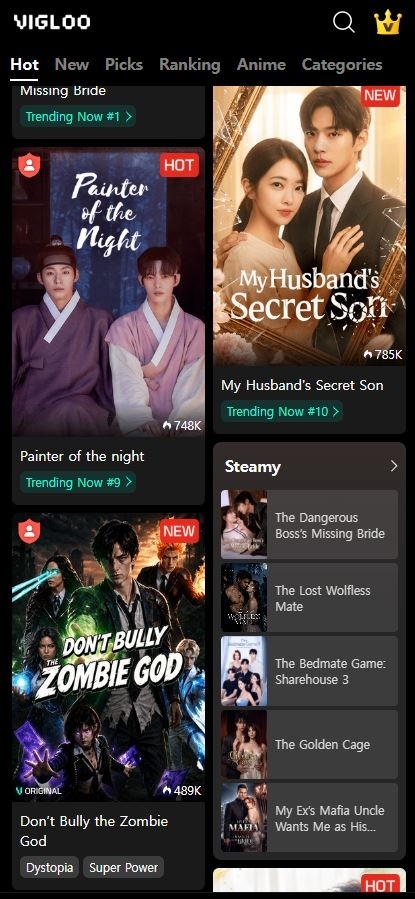
The genre began making inroads into Korea around 2024, with platforms such as Vigloo and Lezhin Snack launching Korean short dramas to tap into the emerging market.
But the format has struggled to gain traction, partly due to Korean viewing habits, according to Noh Chang-hee, director of the Seoul-based Institute of Digital Industry and Policy.
"Koreans tend to watch dramas as long-form content, while short-form content is primarily consumed through platforms such as YouTube," Noh said. "As a result, there simply isn't much room for short-form dramas to fit into existing media consumption habits."
A turning point?
Despite these hurdles, some experts see 2026 as a potential turning point. While short-form dramas have yet to achieve mainstream virality, audience engagement is rising, fueled by global popularity and aggressive marketing.
Chinese platforms in particular have made major gains in Korea.
According to Mobile Index, Chinese short-drama platforms took the top three spots for new entertainment app downloads in Korea in August. DramaWave led with 840,000 installs, followed by NetShort with 800,000 and DramaBox with 740,000. All three outperformed major domestic streaming services Tving, with 570,000 installs, and Coupang Play, with 540,000.
"Social viral marketing played a big role. There has recently been a huge amount of marketing aimed at encouraging people to install these apps, both through above-board channels and less conventional ones," Lee said.
"Compared with when people were first talking about short-form content, this year has clearly seen an increase in the number of people who have actually experienced it, as well as greater accessibility," he added.

The momentum is also encouraging established Korean creators to experiment with the format.
Director Lee Byung-heon, best known for the 2019 box-office hit "Extreme Job," released the short drama "My Baby Daddy Is My Best Friend" through Lezhin Snack in February. Veteran filmmaker Lee Joon-ik, whose credits include the 2005 hit "King and the Clown," has also ventured into the format.
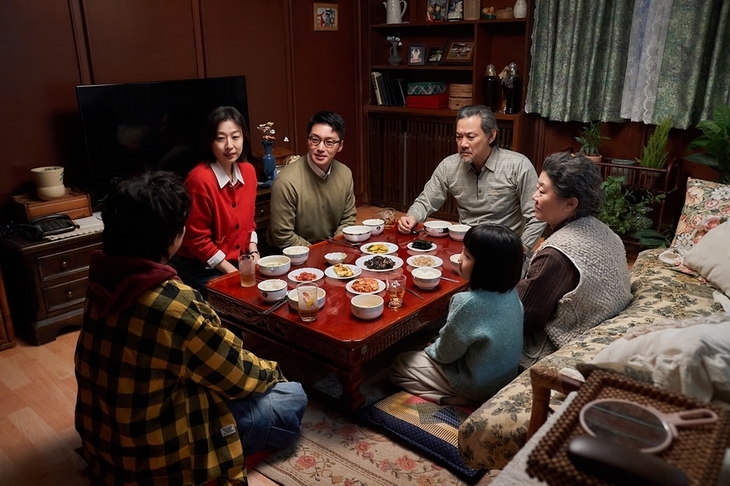
His short-form film "My Father's Table," starring veteran actors Byun Yo-han and Lee Jung-eun, was released in theaters on Sept. 9, marking the first time a short-form series has played on the big screen.
Lee Sung-min expects broader participation as foreign and domestic capital flows into the sector.
"Overseas platforms are investing in Korean short-form dramas as part of their efforts to enter the Korean market, while domestic companies are also gaining the resources to invest," said Lee.
Gaming company Krafton, for instance, invested 120 billion won ($88 million) in 2024 in Spoon Labs, the operator of Vigloo. The investment aimed to create synergies between gaming and video content, including game IP adaptations and interactive developments.
Short-form projects could also offer creators an alternative as traditional television and streaming become more expensive.
"With production investment increasing, more Korean creators are looking for alternatives in the short-form market," Lee said. "As rising production costs make the long-form drama market increasingly difficult, creators are exploring whether short-form dramas can provide another option."
yoonseo.3348@heraldcorp.com