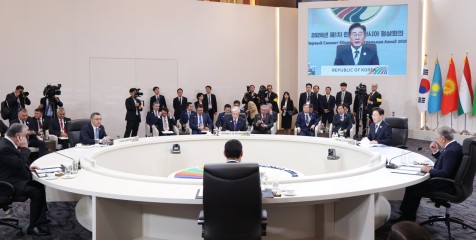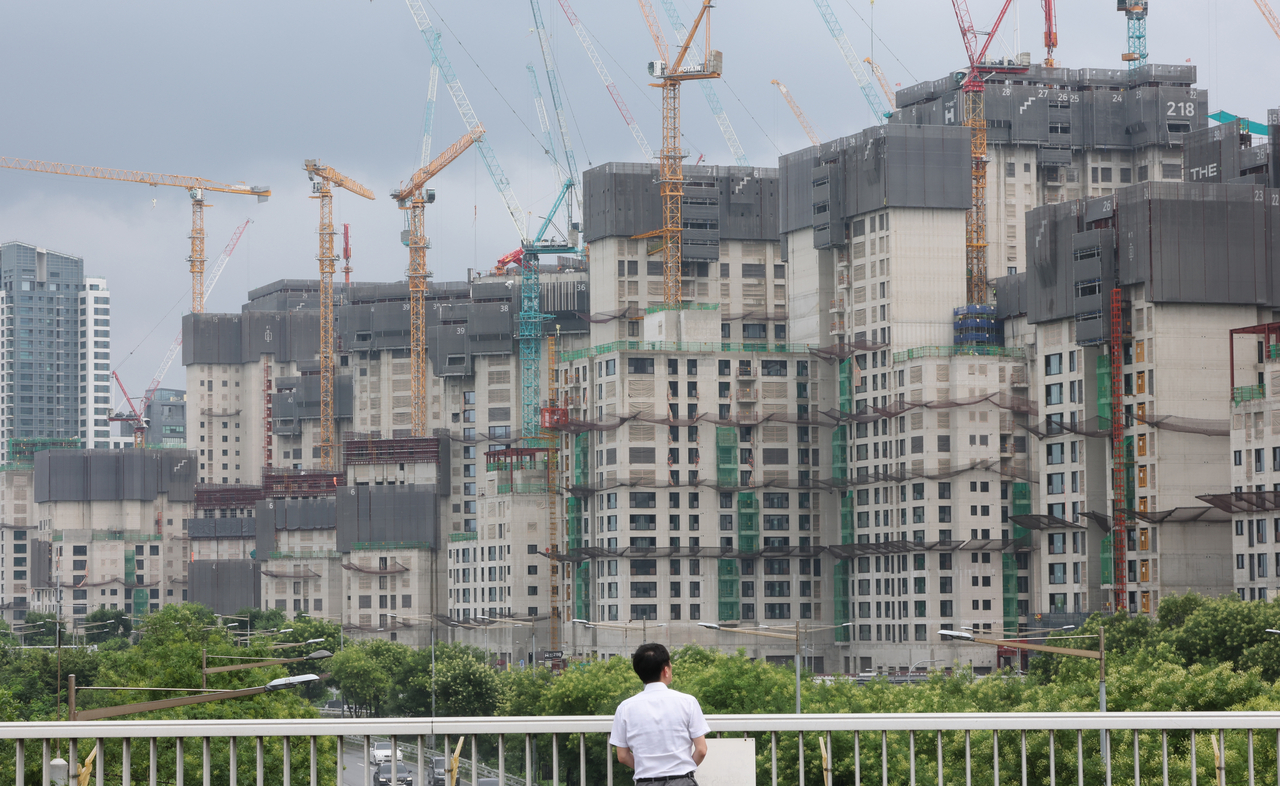
The Lee Jae Myung administration said it would gather a wide range of market views through five rounds of public debates on real estate policy.
이재명 정부는 부동산 정책에 관한 다섯차례의 토론회를 통해 시장의 폭넓은 입장을 수집하겠다고 말했다.
Yet the tax reform package the government unveiled on Monday following the debates ultimately amounted to a tax hike.
그러나 토론회 개최 후 월요일 정부가 내어놓은 세제개혁안은 결국 세금 인상과 다름없었다.
Lee's pledge not to use taxation as a tool of housing policy has vanished into thin air.
주택 정책에 세금을 도구로 사용하지 않겠다는 이 대통령의 공약은 흔적도 없이 사라졌다.
The government announced a package that would sharply raise both the holding tax (the Comprehensive Real Estate Tax) and the transaction tax (the capital gains tax) even on owners of a single home if they do not live in the property or if the home is worth more than a specified amount.
정부는 보유세(종합부동산세)와 거래세(양도소득세) 모두를 크게 인상하는 방안을 발표했다. 주택을 한 채만 소유하더라도 실거주하지 않는 소유자와 특정 금액 이상의 가치를 갖는 주택에 대해서도다.
Previous Democratic Party of Korea governments, including those of Presidents Roh Moo-hyun and Moon Jae-in, were criticized for fueling the trend toward owning a single high-value home by imposing heavier taxes on owners of multiple homes.
노무현, 문재인 대통령 재임시를 포함한 이전 민주당 정권들은 다주택 보유자들에 중과세를 부과해 고가의 주택 한 채를 소유하는 흐름을 부추겼다는 비판을 받았다.
Yet the Lee administration has made even that single home subject to punitive taxation.
그러나 현 정부는 그 한 채마저도 징벌적 과세 대상으로 삼았다.
The government has not previously treated single-home owners as real estate speculators. Yet its abrupt policy reversal to impose punitive tax hikes even on them could create numerous innocent victims.
정부는 이제까지 단일주택 소유자를 부동산 투기세력으로 대하지 않아왔다. 그러나 급작스럽게 정책을 선회해 그들에게마저 징벌적 세금을 인상해 부과하기로 한 것은 수많은 죄없는 피해자들을 양산할 수 있다.
Above all, if the government intends to raise holding taxes, it should overhaul the entire tax rate structure. Effectively targeting only single-home owners in certain socioeconomic groups or regions runs counter to the principle of tax fairness.
무엇보다 정부가 보유세를 인상하려 한다면 세율 구조 전체를 개편해야 한다. 특정 사회경제집단이나 지역의 단일주택 소유자들만을 사실상 타겟으로 삼는 것은 세금의 공정성 원칙에 반하는 것이다.
This is why critics accuse the government of pursuing a tax hike based on an "us-versus-them" division among taxpayers in an attempt to cover up its failure in real estate policy.
정부가 부동산 정책의 실패를 무마하고자 이분법적인 편가르기에 기반해 세금 인상을 추진한다는 비판의 목소리가 들리는 이유다.
The surge in housing prices is the result of the government's policy failures and inflation, yet the Lee administration is holding owners of high-priced homes responsible.
주택 가격의 폭등은 정부의 정책 실패와 인플레이션의 결과다. 그러나 이재명 정부는 고가의 주택을 소유한 이들에게 책임을 묻고 있다.
The government is also making it harder for people to buy and sell their homes.
정부는 또한 주택을 사고파는 것을 더 어렵게 만들고 있다.
A basic market principle is to sharply lower capital gains tax, a transaction tax, when holding taxes are increased. Yet the government ignored this principle and scaled back the capital gains tax deduction system.
보유세가 오르면 거래세인 양도소득세를 크게 낮추는 것이 기본적인 시장 원리다. 그러나 정부는 이 원칙을 무시하고 양도소득세 공제 혜택을 축소시켰다.
In Korea, single-home owners are eligible for a capital gains tax deduction when they sell their homes after holding them or living in them for an extended period.
한국에서 1가구 1주택 소유자들은 장기간 해당 주택을 소유하거나 그곳에 거주한 뒤 주택을 처분하면 양도소득세 공제 혜택을 받을 수 있다.
This system was introduced to reduce the excessive capital gains tax burden faced by long-term homeowners when selling their homes, as inflation has increased their capital gains. That way, homeowners can sell their homes more easily and move with a lower tax burden.
이 제도는 인플레로 양도차익이 늘어남에 따라 장기 주택 보유자들이 주택을 팔 때 부과되는 과도한 양도소득세 부담을 줄여주고자 도입되었다. 이에 따라 세금 부담이 줄어든 주택보유자들은 좀더 쉽게 주택을 판매하고 이사할 수 있다.
However, those who have held their homes for decades in reliance on this system now face massive capital gains tax bills as a result of reduced deductions.
그러나 이러한 제도에 기대 수십년간 집을 보유해온 사람들이 공제가 축소됨에 따라 이제는 막대한 세금부담을 겪게 되었다.
After selling their homes and paying huge capital gains taxes, homeowners would find it virtually impossible to move to a similar living environment or a more desirable area.
주택을 팔고 어마어마한 양도소득세를 납부하고 나면 주택소유자들은 비슷한 주거 환경이나 좀더 선호도가 높은 주거지로의 이사는 사실상 불가능하다는 것을 깨닫게 될 것이다.
The government claims that the two-year transition period included in the plan to reduce capital gains tax deduction provides homeowners with a window to sell their properties.
정부는 양도소득세 공제 축소 계획에 포함된 2년의 유예기간이 소유주택을 처분할 기회를 제공할 것이라고 주장한다.
However, even when homeowners put their properties up for sale, expanded land transaction permit zones and tighter lending regulations are dampening transactions.
그러나 주택소유주들이 주택을 내놓더라도 토지거래허가지역 확대와 대출 규제 강화로 거래는 위축되고 있다.
Additionally, it is doubtful how many people can realistically afford to buy Seoul's ultraexpensive apartments — about 4.5 billion won ($3.2 million) or more at market price — the primary target of this tax hike package.
게다가 이번 세금 인상안의 주된 타겟인 시가 45억원 이상의 서울의 초고가 아파트를 실제로 구매할 능력을 갖춘 사람이 얼마나 있을지도 회의적이다.
One cannot help but ask whether it is reasonable for a tax policy to force retirees who cannot afford to pay the taxes out of the single homes they have lived in all their lives.
퇴직자들이 세금을 내지 못해 평생 살아온 유일한 주택에서 쫓겨나게 만드는 세금 정책이 과연 합리적인 것인지 묻지 않을 수 없다.
Tax hikes are more likely to distort the market than stabilize home prices, as the prior experience of the Roh and Moon administrations has shown.
세금 인상은 노무현, 문재인 정권에서의 과거 경험들이 보여주었듯 주택 가격을 안정시키기보다는 시장을 왜곡시킬 가능성이 더 높다.
Trying to suppress demand through higher taxes while failing to supply enough homes in areas where people want to live will only exacerbate housing price instability.
주거 선호 지역에서 충분한 주택을 공급하지 못한채 더 무거운 세금으로 수요를 억제하려는 시도는 주택가격 불안정을 악화시키기만 할 것이다.
punitive 징벌적
speculator 투기꾼
exacerbate 악화시키다
khnews@heraldcorp.com