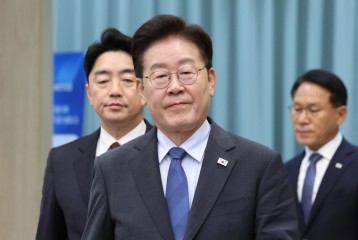
Hwang Hee, a three-term lawmaker from the ruling Democratic Party of Korea, on Friday proposed a plan to convert scrapped buses into housing for young people.
여당인 민주당의 3선 국회의원인 황희는 금요일 폐기되는 버스를 청년들을 위한 주택으로 활용하자는 의견을 냈다.
This is nothing short of an absurd idea and an insult to young people struggling to find a home.
황당한 아이디어이자 집을 구하고자 분투하고 있는 젊은이들에 대한 모욕에 다름없다.
The proposal sparked an angry backlash among young people and on online communities, with critics denouncing it as an out-of-touch idea that ignores the harsh realities young people face. “Are young people homeless or refugees?” and “Why don’t you go live there yourself first?” were among the comments.
그 제안은 청년층과 온라인 커뮤니티 상에서 분노에 찬 반발을 불러일으켰다. 젊은이들이 처한 가혹한 현실을 외면하는 현실과 동떨어진 구상이라는 맹비난도 뒤따랐다. "청년층은 홈리스인가 난민인가," "당신이 먼저 거기서 살지 그러냐"는 등의 댓글이 달렸다.
The government’s recently announced plan to overhaul the real estate tax system next year is also facing a strong backlash from the market.
정부가 최근 발표한 부동산세제 개혁안 또한 시장의 강력한 반발에 부딪혔다.
Since the legislation was announced for public comment on Aug. 4, around 1,000 public comments a day have been pouring into the Ministry of Government Legislation’s online public opinion portal.
8월 4일 의견수렴을 위해 법안이 공고되자 법제처 온라인 여론 포털에 하루에 약 1천개의 의견이 쏟아져 들어왔다.
Many people are voicing their anger over policies that would impose punitive taxes not only on non-resident homeowners, but even on single-home owner-occupiers and elderly homeowners with only one property and no income.
비거주 주택소유자뿐 아니라 실거주 1주택자, 소득없이 집 한 채만 소유하고 있는 노인 주택소유자들에게까지 징벌적 세금을 부과할 정책에 대해 많은 이들이 분노의 목소리를 내고 있다.
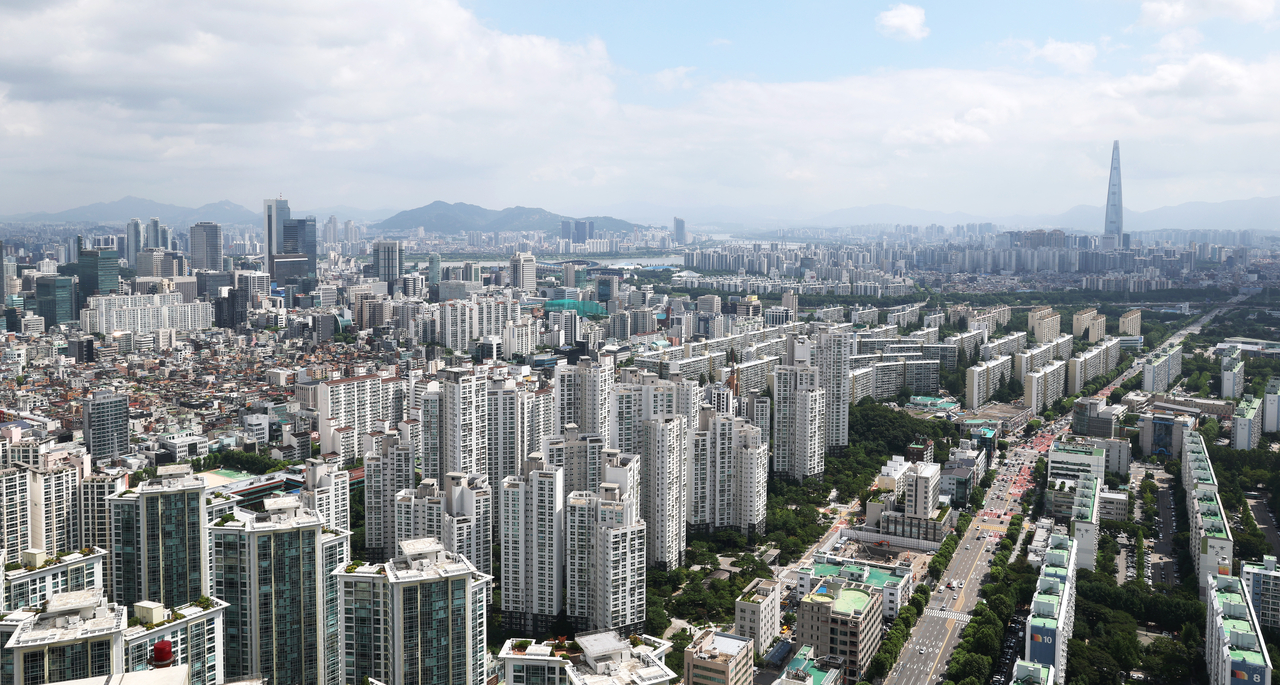
The backlash is particularly pronounced among retirees in Seoul’s high-priced Gangnam area, who would be hit hardest by the tax overhaul. This is because they face a heavier property tax burden on expensive homes, while being slapped with huge capital gains taxes if they try to sell.
반발은 특히 서울의 고가 지역인 강남의 퇴직자들 사이에서 두드러진다. 세제개편으로 가장 크게 타격을 입을 대상들이다. 고가의 주택에 더 높은 세금이 매겨질 것이기 때문이며 동시에 주택을 팔려고 한다면 막대한 양도세가 부과될 것이기 때문이다.
For some high-priced homes, annual property taxes could soar by tens of millions of won almost overnight. For elderly retirees who bought their homes at relatively affordable prices 20 to 30 years ago, such a tax burden is simply unaffordable.
일부 고가 주택의 경우 거의 하룻밤새 연간 재산세가 수천만원 늘어날 수 있다. 2,30년전 상대적으로 합리적인 가격에 주택을 구입한 고령의 퇴직자들에게 그러한 세금 부담은 도저히 감당할 수 없는 수준이다.
But they will also face hefty taxes if they sell. Currently, homeowners who have owned a property for at least 10 years and meet the residency requirement can receive a deduction of up to 80 percent on their capital gains, with no limit on the amount that can be deducted. But if the reform plan takes effect, the deduction on the gains will be capped at 2 billion won ($1.4 million) in 2028 and 1 billion won from 2029.
그러나 집을 처분하려고 해도 거액의 세금을 부담해야 한다. 현재 최소 10년 이상 주택을 소유하고 실거주조건을 만족한 경우 양도세의 최대 80퍼센트까지 공제대상 금액 한도 없이 공제를 받을 수 있다. 그러나 개정안이 실행되면 2028년까지는 최대 20억, 2029년부터는 최대 10억의 한도가 발생한다.
It is hard to dispute the criticism that the policy effectively penalizes those who have lived in the same home for a long time.
장기간 한 집에서 살아온 사람들에게 사실상 불이익을 주는 정책이라는 비난을 반박하기 어렵다.
As a conciliatory measure, the government has offered to reduce capital gains taxes for single-home owners aged 65 or older who sell homes in the Seoul metropolitan area after living in them for at least five years and move outside the capital area.
유화책으로 정부는 65세 이상의 1가구 1주택자나 5년 이상 거주한 서울의 주택을 팔고 수도권 밖으로 이사하는 경우 양도세를 감면해주겠다고 제안했다.
But that has also drawn a critical response. Those affected ask whether it is really appropriate to pressure them to leave Seoul and move to unfamiliar parts of the country simply because they have an expensive home.
그러나 이 또한 비판적인 반응을 불러왔다. 이에 해당하는 이들은 고가의 주택을 소유했다는 이유만으로 서울을 떠나 낯선 지역으로 이사를 하라는 압박을 받는 것이 진정으로 타당한지 의문을 제기한다.
It is hard to justify a policy that suddenly hikes taxes severalfold while restricting people’s freedom to choose where to live.
주거지 선택 자유를 제한하면서 갑작스럽게 몇배로 세금을 인상하는 정책을 정당화하기는 어렵다.
There is also strong public dissatisfaction with the taxation of nonresident homeowners, which fails to take into account people’s diverse circumstances. It is hard to dismiss the complaints from people asking, “Am I really being treated as a speculator just because I temporarily moved near my parents for the sake of my child?”
다양한 상황을 고려하지 않은 비거주 주택소유자에 대한 세금 부과에 대해서도 여론의 불만은 거세다. "아이를 위해 부모님과 가까운 곳으로 일시적으로 이사했다는 이유만으로 정말 투기꾼 취급을 당하는 것이냐"고 묻는 이들의 불만을 일축하기는 어렵다.
Most nonresident single-home owners, let alone resident homeowners, are ordinary people not involved in real estate speculation. People should not be branded as such simply because the value of their homes has risen or because they do not live in the homes they own.
실거주 주택소유자들은 물론이고 많은 비거주 1주택소유자들은 부동산 투기와 무관한 일반인들이다. 집값이 올랐다고 해서 혹은 소유한 집에 거주하지 않는다고 해서 그러한 취급을 받아서는 안된다.
Renters are worried about eviction and rising rents. This is because single-home owners who do not live in their homes could ask tenants to leave and move in themselves to avoid punitive taxes.
세입자들은 퇴거와 집세 인상을 걱정하고 있다. 비거주 단일주택 소유자들이 징벌적 세금을 피하고자 세입자에게 퇴거를 요청하고 들어와서 살려고 할 수도 있기 때문이다.
The strong resistance to the tax measures is evidence that the government has taken the wrong approach to tax reform from the outset.
해당 세제 조치에 대한 강력한 반발은 정부가 세제 개혁에 접근하는 방식이 애초에 잘못되었다는 증거다.
The Democratic Party of Korea says it will coordinate with the government. The possibility of going back to the drawing board should not be ruled out.
민주당은 정부와 조율하겠다고 말했다. 원점에서 재검토하는 것을 배제해서는 안 될 것이다.
denounce 맹렬히 비난하다
pronounced 확연한
deduction 공제
penalize 불이익을 주다
eviction 퇴거
khnews@heraldcorp.com