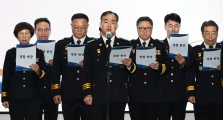
Some warnings are meant never to be heard. South Korea's new grave heat wave alert was intended for conditions expected perhaps once a decade. Yet barely a month after its introduction, it was already issued.
어떤 경고는 발효를 염두에 두지는 않은 것이다. 한국이 새로 도입한 폭염중대경고는 아마도 10년에 한 번쯤 그런 상황이 일어날 것으로 상정한 것이었다. 그러나 도입한지 한 달도 채 되지 않아 이미 발효되었다.
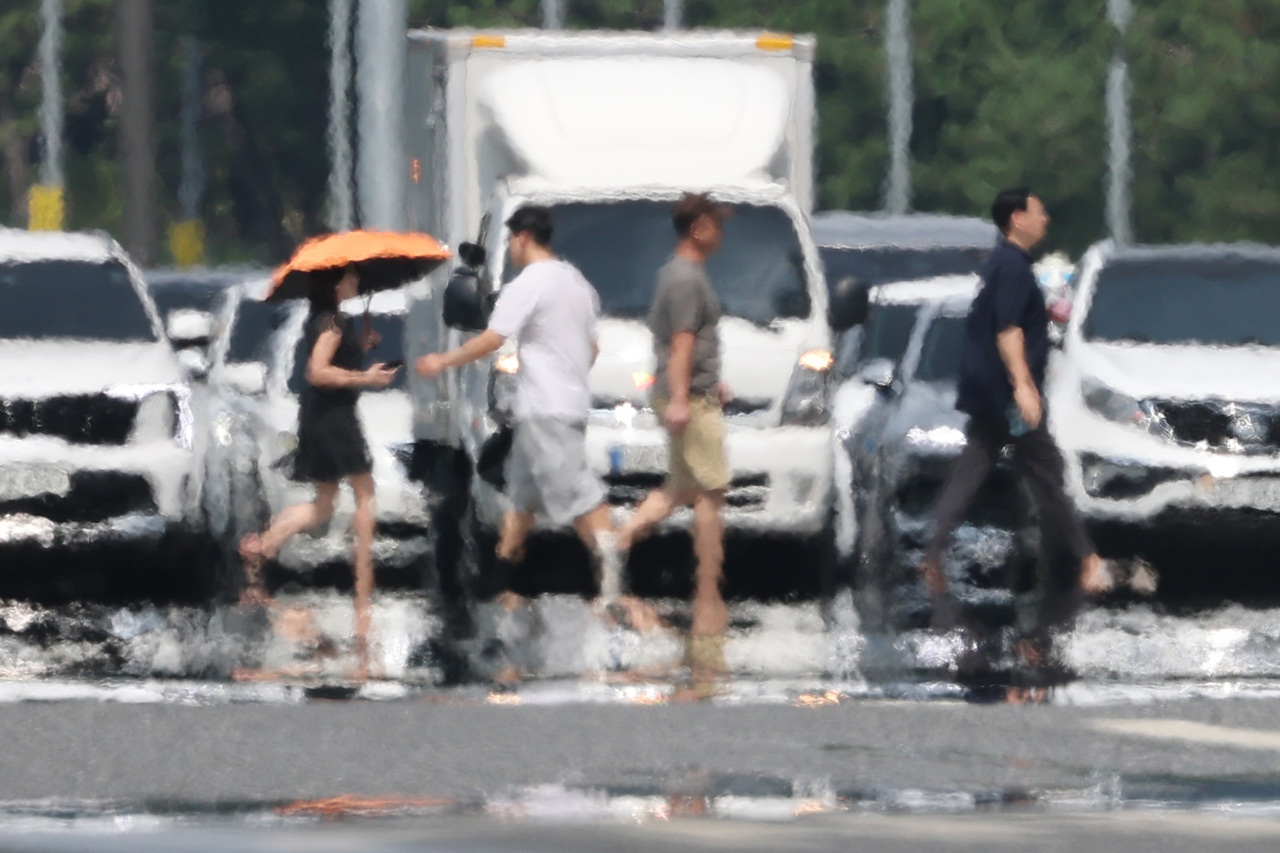
The unusual warning issued on Sunday is less remarkable than what it reveals. Extreme heat has stopped behaving like an exception. It is becoming the backdrop against which ordinary summers are now measured.
일요일 내려진 이례적인 경고보다 더 놀라운 것은 그로 인해 밝혀진 것이다. 폭염은 더이상 예외적인 현상이 아니다. 이제 통상적인 여름 날씨를 비교하는 기준이 되어가고 있다.
The warning followed two days of apparent temperatures above 35 degrees Celsius, with forecasts exceeding 38 C in real-feel temperature or 39 C in daytime highs. The combined influence of the North Pacific High and the Tibetan High, along with unusually warm seas and foehn winds, intensified the heat.
체감온도 섭씨 35도 이상이 이틀간 지속되고 예보가 체감 38도를 넘거나 일 최고기온이 39도를 넘어 해당 경보가 발효되었다. 북태평양고기압과 티베트고기압이 이중으로 영향을 주었고 이상 고온 현상을 보이는 바다와 푄 현상까지 더해 더위는 증폭되었다.
Europe has endured a similar atmospheric pattern, while much of the United States has also suffered prolonged heat. Korea is confronting the local expression of a global climatic shift.
유럽 또한 유사한 기상 패턴을 겪었고 미국의 대부분 지역이 장기화된 더위로 고통받았다. 한국은 세계적인 기후 변화의 지역적 발현에 맞닥뜨린 것이다.
More worrisome is how quickly the exceptional has become ordinary. When the Korea Meteorological Administration introduced the grave warning system in June, it estimated such alerts would be needed roughly once every 10 years. The threshold was crossed almost immediately.
더욱 우려되는 점은 예외적인 현상이 얼마나 빠르게 일상이 되었는지다. 6월 중대경보체제를 도입할 당시 한국 기상청은 이러한 경보가 대략 10년에 한 번 정도 필요할 것으로 예측했다. 그러나 거의 즉시 그 한계선을 넘었다.
Annual heat wave days climbed from 7.7 in 2020 to about 30 in both 2024 and 2025. What once seemed rare is becoming increasingly predictable.
연간 폭염 발생 일수는 2020년의 7.7일에서 2024, 2025년에는 모두 30일로 늘어났다. 이례적이었던 현상이 이제는 점점 더 일상이 되어가고 있다.
Official responses have settled into a familiar script. Emergency text alerts are issued. Cooling shelters extend their hours. Local officials check on elderly residents. Outdoor work is discouraged. These measures remain built on the assumption that individuals can largely protect themselves through better choices.
당국의 대책은 뻔한 흐름이 되어가고 있다. 재난 문자 알림이 발송된다. 더위 쉼터가 운영 시간을 연장한다. 지방 공무원들이 고령자 주민들의 안부를 확인한다. 야외 작업 자제를 권한다. 이러한 조치들은 개개인이 더 나은 선택을 통해 대부분 스스로를 보호할 수 있다는 가정에 기초하고 있다.
That premise breaks down in practice. A construction worker paid by the day cannot simply leave a job site. A farmer cannot postpone harvesting. Delivery workers, sanitation crews and factory employees often have little control over their schedules.
그 전제는 현실에서 무너지고 만다. 일당을 받고 일하는 건설현장 노동자는 쉽게 일자리를 떠날 수 없다. 농부는 추수를 미룰 수 없다. 배달 노동자, 환경미화원, 공장 근로자들은 근무 시간을 조정할 수 없는 경우가 많다.
The day after the grave warnings were issued, nationwide heat-related emergency room admissions jumped from 21 to 99. The surge underscores that advice alone cannot protect people whose livelihoods keep them outdoors.
중대경보가 발효된 다음날 전국적으로 응급실을 찾은 온열질환자는 21명에서 99명으로 늘었다. 이러한 급증은 조언만으로는 야외에서 생계활동을 해야하는 이들을 보호할 수 없다는 점을 잘 보여준다.
Heat reaches everyone, but it does not burden everyone equally. Air conditioning, flexible work arrangements and well-insulated housing make rising temperatures uncomfortable for some but life-threatening for others.
더위는 누구에게나 영향을 미치나 모두에게 같은 부담을 주는 것은 아니다. 에어컨 사용, 탄력적인 근무 형태, 단열이 잘 되어있는 주택이 있다면 기온 상승은 불편한 것에 그치나 그렇지 못한 사람들에게는 생명에 위협이 된다.
Last year, more than 60 percent of heat-related deaths occurred among people aged 60 or older, while more than one-third involved manual laborers or agricultural workers.
지난해 온열질환 사망자의 60퍼센트 이상이 60세 이상이었고, 3분의 1 이상이 육체노동자나 농업 종사자였다.
Public health authorities estimate that when apparent temperatures reach 38 degrees, mortality among those aged 65 and older rises by 19 percent. Residents of poorly cooled housing remain exposed regardless of public awareness campaigns.
공공보건당국은 체감온도가 38도에 이르면 65세 이상에서의 사망률이 19퍼센트 상승한다고 추정한다. 냉방시설이 열악한 주택 거주자들은 공공 인식 캠페인과 무관하게 여전히 위험에 노출되어 있다.
Europe illustrates what prolonged heat can do to societies built for milder summers. The recent late-June heat wave was associated with more than 10,000 excess deaths, most among older adults, while wildfires and transport disruptions exposed infrastructure never designed for sustained extreme temperatures. Schools, railways and power systems also struggled under prolonged heat.
유럽의 경우가 선선한 여름을 기준으로 하던 사회에 장기화되는 더위가 미치는 영향을 잘 보여준다. 최근 6월 하순의 폭염은 1만명이 넘는 초과사망자와 관련된 것으로 알려졌고 대부분은 고령자였다. 산불, 교통망 차질로 인프라가 지속되는 극심한 더위를 상정한 적이 없음이 드러났다. 학교, 철도, 전력 시스템 또한 길어지는 더위로 어려움을 겪었다.
Korea should adapt before similar strains take hold. Outdoor work should be suspended under clearly defined legal standards when temperatures become hazardous, with financial support for workers who lose income. Cooling shelters should operate when and where vulnerable residents need them, while electricity assistance for low-income households should become part of permanent heat policy.
한국은 비슷한 상황이 벌어지기 전에 변화해야 한다. 기온이 위험한 수준으로 오르면 명확하게 정의된 법적 기준에 따라 야외 작업은 중단되어야 하며 수입이 줄어든 노동자에게 재정적인 지원이 따라야 한다. 더위에 취약한 주민들을 위해 적시적소에 무더위 쉼터가 운영되어야 하며 저소득 가정에 전력을 지원하는 것이 영구적인 더위 대책에 포함되어야 할 것이다.
Urban planning also requires a different approach. Cool roofs, broad-leaved shade trees, restrained summer pruning and better urban airflow should become standard features of climate adaptation.
도시 계획에도 다른 접근법이 필요하다. 쿨 루프와 활엽 그늘수 조성, 여름철 가지치기 자제, 그리고 도시 내 바람길 개선이 기후 적응의 기본 요소가 되어야 한다.
The first grave heat wave warning is unlikely to be remembered simply as the debut of a new forecasting category. It may instead be remembered as the moment Korea realized that its long-held assumptions about summer no longer applied.
첫 폭염중대경고는 새로운 기후 특보가 처음 발령된 것으로만 기억되지는 않을 것이다. 여름에 대한 통념이 더이상 적용되지 않음을 한국이 깨달은 순간으로 기억될 수도 있다.
Warnings can save lives for a day. A society built for a hotter climate can protect them for decades.
경보는 발효된 날 생명을 살릴 수 있다. 무더워지는 기후에 대비한 사회는 수십년간 생명을 보호할 수 있다.
apparent temperature 체감온도
threshold 한계점
premise 전제
pruning 가지치기
khnews@heraldcorp.com