

Centuries-old neighborhood landmark poisoned with herbicide by the nearby Whanki Museum passes critical treatment window; environmentalists call for broader protection efforts
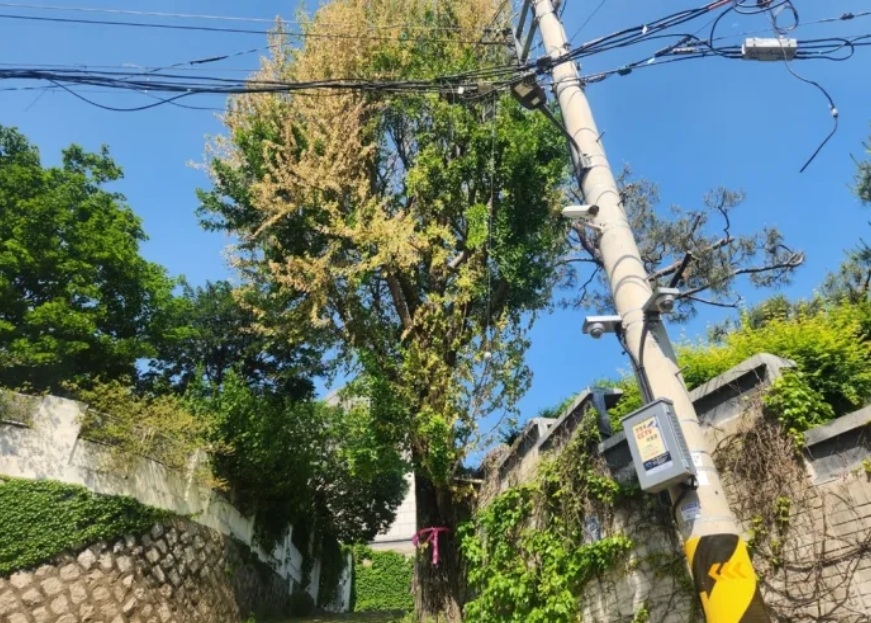
The fate of a centuries-old ginkgo tree in Seoul's Buam-dong, allegedly poisoned by a nearby museum for potentially obstructing traffic, hangs in the balance despite extensive efforts to salvage it, according to news reports Sunday.
The tree, which stands on private land next to the Whanki Museum, began showing signs of severe distress in April, shedding its leaves weeks earlier than usual and turning color. A joint investigation by Jongno District officials and police later concluded that herbicide had been injected into the tree, causing its crown to die.
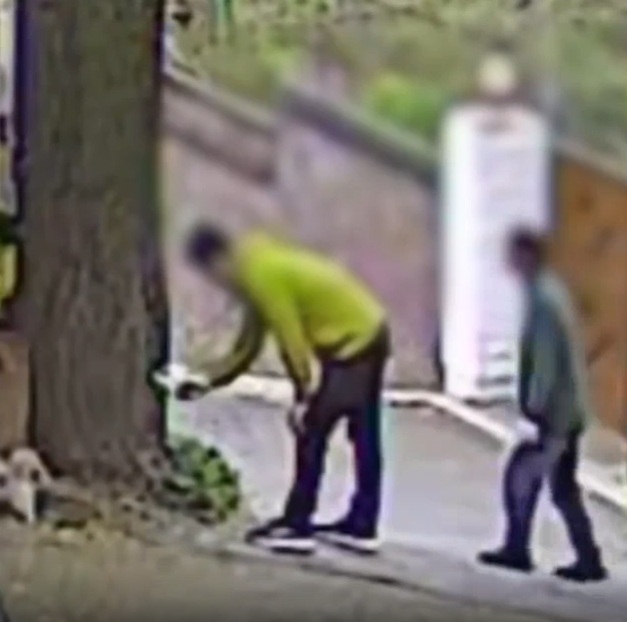
Footage from a nearby security camera captured two men drilling holes into the base of the tree and injecting what investigators believe was herbicide on April 22.
The museum later acknowledged that workers it had hired applied the chemical, saying the intent was to stop the tree from growing into the passageway. In a public apology, it said it would "do everything possible" to help the tree recover.
Despite weeks of emergency efforts by residents and environmental groups, including repeatedly flushing the soil with water to dilute the chemicals and pruning dead branches, the tree remains in critical condition, according to local reports. Experts say its chances of survival were reduced because treatment did not begin immediately after the poisoning.
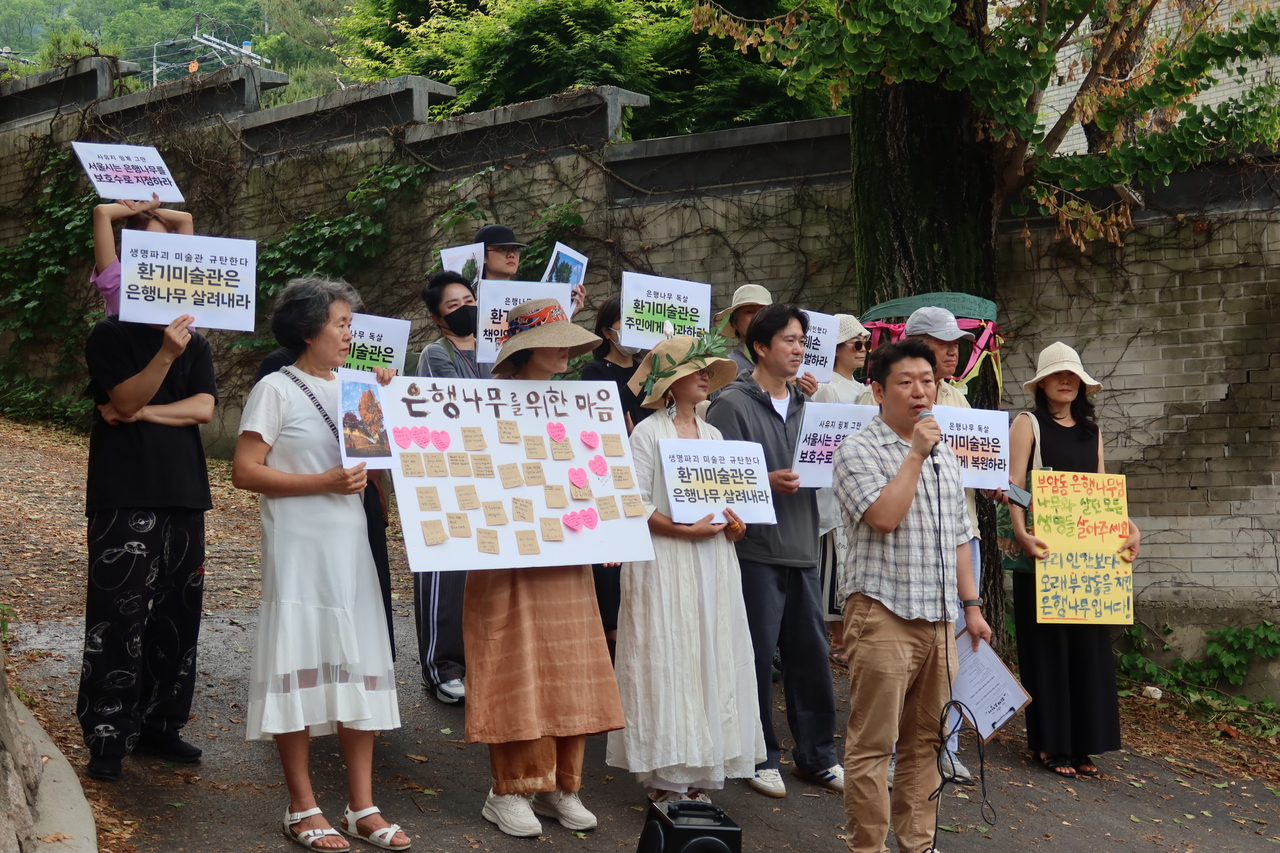
In an effort to hold the museum legally accountable, a group of 60 Buam-dong residents, environmental organizations and individuals, on June 29, filed a criminal complaint against the museum's director Park Mee-jung and the Whanki Foundation on charges of property damage and violating the Soil Environment Conservation Act.
Hyun Kyung, a Buam-dong resident and professor emerita at Union Theological Seminary in New York, US, told local news that the alleged herbicide application contradicted the artistic philosophy of the museum's founders, Kim Whanki and Kim Hyang-an.
"Kim Whanki and Kim Hyang-an drew all of their artistic inspiration from their love of nature and the universe. You cannot create art while killing a tree. If this ginkgo tree, our ancestor of more than 100 years, dies, the museum will die with it," she said.
As controversy grew, Jongno District recently sent requests to 46 owners of the land where the tree stands, seeking their consent to add the tree to the district's list of protected trees.
Under its "Beautiful Tree" initiative, launched in 2013, the district preserves trees of ecological, cultural and academic value. Once designated, the tree receives regular monitoring and care from the district's landscaping specialists, including nutrient treatments, pruning, pest control and other measures to improve its health.
But only 16 landowners have given their consent so far, falling short of the threshold under Article 265 of the Civil Act, which requires the consent of a majority of the landowners for the designation to proceed.
Opponents argued that the designation could infringe on their property rights by restricting future development of the land, news reports said.
As an alternative, some environmental groups are calling for the tree to be listed as a protected tree by the Korea Forest Service. But the status is generally reserved for trees estimated to be at least 400 years old, while the Buam-dong ginkgo is believed to be between 100 and 200 years old.
cjh@heraldcorp.com