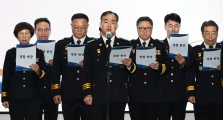
In South Korea, elections for superintendents of education are held at the same time as local elections, but it is very common for voters to cast their ballots without even knowing what kind of people the superintendent candidates are.
대한민국에서는 지방 선거와 동시에 교육감 선거가 행해진다. 그러나 유권자들은 교육감 후보가 어떤 인물인지조차 모르는 채로 투표하는 경우가 매우 흔하다.
The upcoming June 3 election is no different. A total of 58 people are running as candidates for superintendent in 16 metropolitan and provincial offices of education. They took part in TV debates, but almost no one paid attention.
다가오는 6월 3일 선거 또한 마찬가지다. 총 58명이 16개 시도교육감 후보로 출마중이다. 후보들은 TV 토론에도 참여했으나 관심을 기울이는 사람은 거의 없다.
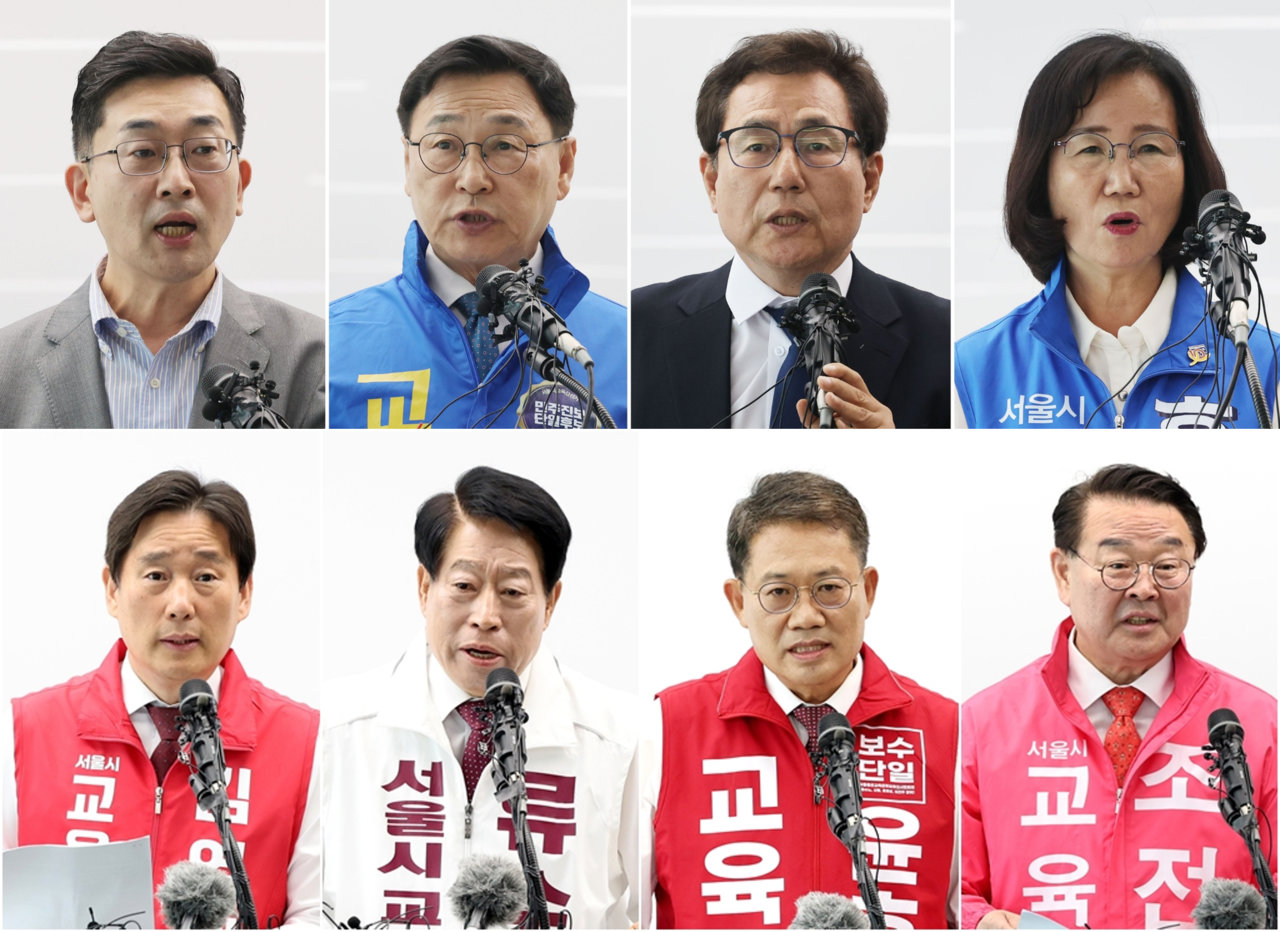
In Seoul in particular, a record eight candidates entered the race. This number is not only the highest since the introduction of the direct election system for superintendents of education, but also the largest among all superintendent contests in this election. Voters are only left even more confused about which candidate to choose.
서울에서는 특히 역대 최대인 8명의 후보가 경쟁에 참여했다. 교육감 직선제 도입 이후 가장 많은 후보일뿐 아니라 이번 교육감 선거를 통틀어서도 최다 후보다. 유권자들은 어떤 후보를 택해야할지 더욱 혼란스러울 뿐이다.
Although political parties are prohibited from nominating candidates in the name of ensuring the independence of education from political power, the candidates are generally divided into conservative and progressive camps. The record number of candidates running for Seoul superintendent of education resulted from the fact that, although both camps attempted to unify their candidates, some refused to take part in their own primary process or rejected its outcome. Similar things happened in other regions.
교육이 정치 권력으로부터 독립성을 확보해야 한다는 명분하에 정당의 후보 지명은 금지되어 있다. 그러나 후보자들은 일반적으로 보수와 진보 진영으로 나뉜다. 서울시 교육감 후보자 수가 역대 최대인 것은 양 진영의 후보 단일화 시도에도 불구하고 일부 후보자들이 그 주요 절차에 참여하는 것을 거부했거나 그 결과를 받아들이지 않은데서 비롯되었다. 다른 지역에서도 비슷한 상황이 벌어졌다.
Defying agreements to unify candidates has become common in superintendent of education elections. There has also been a case in which someone ran again in a by-election for superintendent of education after being released through a special pardon. He was serving time for bribing a rival candidate — an election law violation that also cost him his superintendent post. In addition to moral condemnation of his shamelessness, he faced strong criticism in particular for running again while still having failed to repay most of the government campaign subsidies that must be returned under the election act if a violation is found.
후보 단일화에 동의하기를 거부하는 것은 교육감 선거에서 흔한 일이 되었다. 특별사면을 통해 복권된 전 교육감이 교육감 보궐선거에 재출마한 경우도 있었다. 당 후보는 상대 후보를 매수해 선거법 위반으로 교육감직을 상실하고 구속중이었다. 그 파렴치한 행위에 대해 도덕적인 비난을 받았을뿐 아니라 특히 선거법 위반시 반납해야 하는 선거 보전 비용을 대부분 반납하지 않은 채로 재출마함으로써 큰 비난에 직면했다.
The populism of campaign promises — poured out indiscriminately by candidates across both progressive and conservative camps in an attempt to win voters’ favor with cash — is such that it puts that of politicians to shame. According to a survey by a daily newspaper, as many as 40 candidates made such pledges. Their promised cash support ranges from at least 100,000 won ($66) to as much as 50 million won per student.
진보와 보수 진영을 망라해 현금으로 유권자들의 호의를 사고자 후보들이 무분별하게 쏟아내고 있는 선거 공약의 포퓰리즘은 정치가들을 무색하게 할 수준이다. 한 일간지의 조사에 따르면 40명에 달하는 후보가 그러한 공약을 내걸었다. 그들은 학생 한명당 10만원에서 많게는 5천만원에 이르는 현금 지원을 약속했다.
Many candidates promised to provide 1 million won per student upon entering middle or high school, to be invested in a fund that could then be used upon high school graduation to pay for college tuition or job preparation expenses. One candidate pledged fully free early childhood education, expenses for transportation to school and return to home, and full support for the costs of school trips and field learning activities.
다수의 후보자들이 중고등학교에 입학하는 학생에게 1백만원을 제공해 고등학교 졸업시 대학등록금이나 취업준비 비용에 사용할 수 있도록 펀드에 투자할 것을 약속했다. 한 후보는 조기교육을 완전 무상으로 제공할 것을 공약으로 내걸며 등하교 교통비, 수학여행 및 현장학습활동 역시 전폭 지원할 것을 약속했다.
The promised support grew like an escalating wager, to the point that one candidate even proposed creating a "self-reliance fund" of up to 50 million won per student, by matching parents’ contributions with funds from the education office budget over the course of schooling from elementary to high school.
약속된 지원의 규모는 내기처럼 계속 불어나 한 후보는 학생 한명당 최대 5천만원의 "자립자산"을 마련해줄 것을 제안하기도 했다. 초등학교에서 고등학교 재학기간을 통해 학부모 분담금에 교육청 예산의 지원금을 매칭하는 형식을 통해서다.
There is even an absurd pledge to provide 200,000 won per student per month to cover after-school private education expenses, even though an education superintendent is responsible for the development of public education.
교육감은 공공교육의 발전을 책임지는 자리임에도 방과후 사교육 비용을 보전하기 위해 학생 1인당 20만원을 제공하겠다는 어처구니없는 공약까지 등장했다.
One of the main reasons education superintendent candidates are able to make such pledges is a loophole in the local education financial grant system, under which 20.79 percent of internal tax revenue is automatically allocated to local education offices every year.
교육감 후보들이 그러한 공약을 내걸 수 있는 주된 이유 중 하나는 내국세의 20.79퍼센트를 매년 자동적으로 시도교육청에 배분하는 지방교육재정교부금 제도의 맹점에 있다.
As the number of students declines while the grant continues to increase each year, candidates end up making pledges that amount to cash handouts. Given the low level of voter interest, there is also likely an intention to win votes through populist, vote-buying-style pledges.
배당금은 매년 지속적으로 오르고 있는 반면 학생수는 감소함에 따라 후보들은 현금 살포 수준의 공약을 내걸기에 이르렀다. 유권자의 관심도가 낮은 것을 감안할때 포퓰리즘적인 선심성 매표 공약을 통해 표를 얻으려는 의도일 가능성도 있다.
The direct election system for superintendents of education, first implemented in 2007, no longer contributes to the development of education. Rather, its side effects are only growing amid voter indifference.
2007년 처음 시행된 교육감 직선제는 더이상 교육발전에 도움이 되지 않는다. 오히려 유권자들의 무관심 속에 부작용만 커지고 있다.
pardon 사면
wager 내기, 도박
loophole 허점, 맹점
allocate 할당하다
implement 시행하다
khnews@heraldcorp.com