

BTS lands in the storied city this weekend — but cinephiles have been chasing its alleyways, skylines and bamboo forests for years
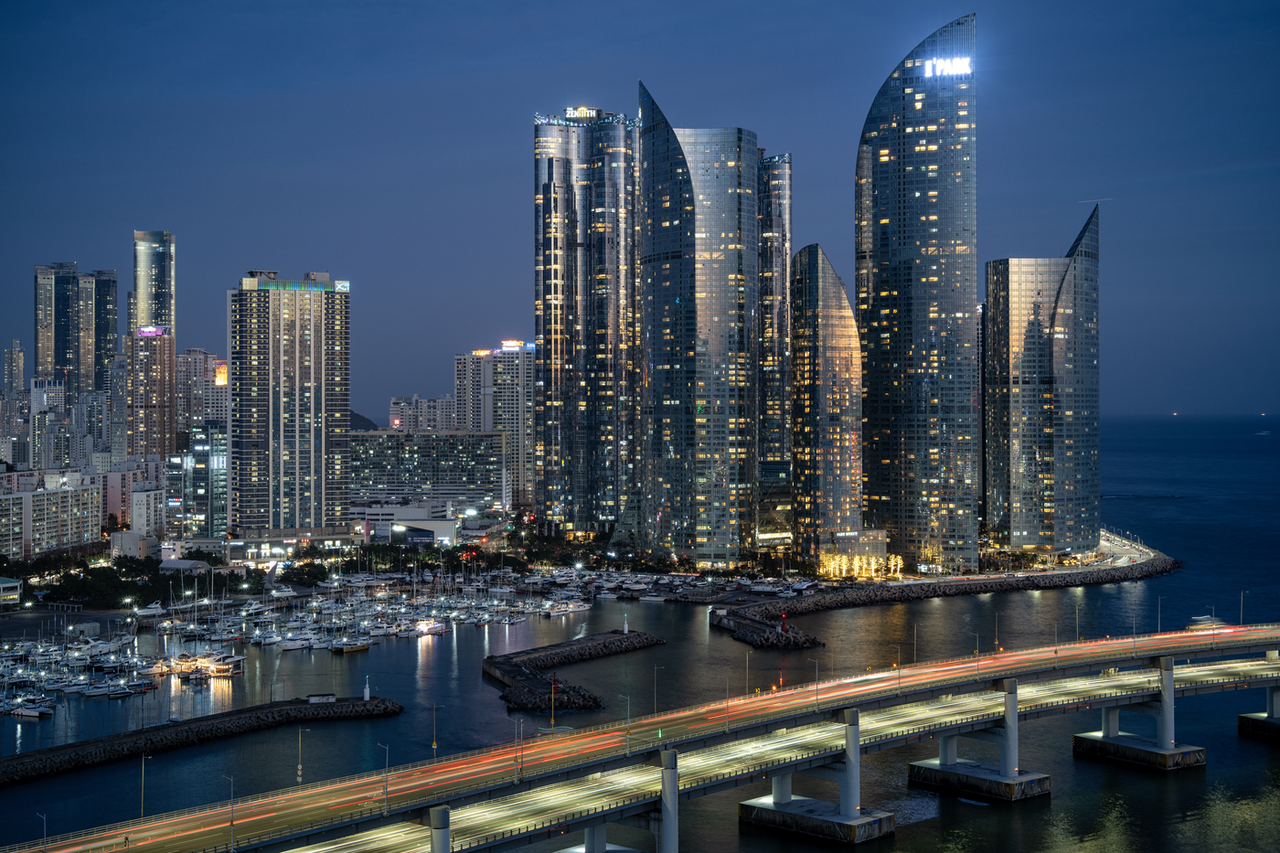
When BTS takes the stage at Busan's Asiad Stadium this weekend — their first hometown shows in nearly four years, with native sons Jimin and Jungkook leading the charge — the city will fill up fast with fans flying in from all across the globe.
Most of them will be there for the music. What many won't realize is that they've landed in one of Asia's most captivating cities, and one that, for lovers of Korean film in particular, amounts to something close to a pilgrimage.
There's a reason they call it Korea's film capital. The city plays host to the Busan International Film Festival, among the most renowned on the continent, and its love for cinema is written all over the place — in its theaters, the public squares and the festival's landmark architecture.
There's more to it than just that. What keeps filmmakers coming back is the city's many faces. From weathered old quarters that still hold the texture of Korea's distant past to glassy new districts that rival anything in Seoul — not to mention the beach never far from the frame — a director can find almost any era, any mood, without ever leaving town
A festival with its own skyline
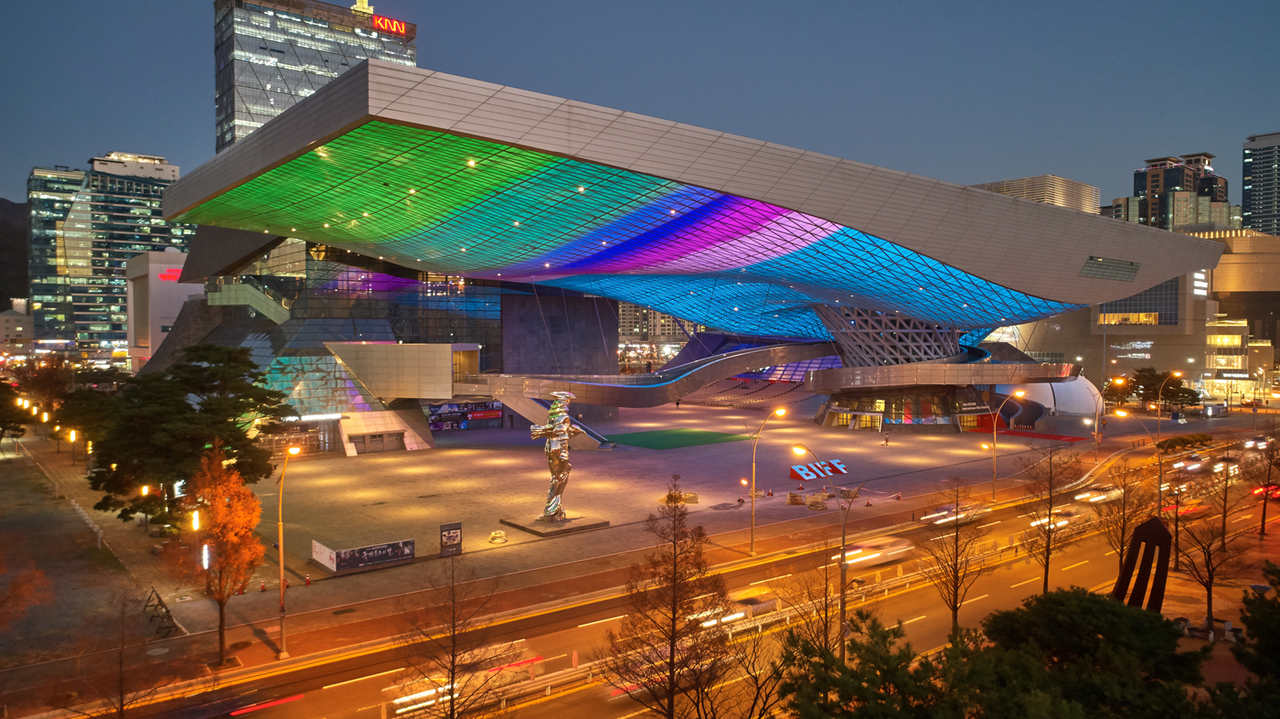
The natural place to begin is the Busan Cinema Center in Centum City, a buzzing retail complex that doubles as the festival's beating heart. Opened in 2011 as BIFF's official home, it has staged the festival's opening and closing ceremonies every autumn since.
The building is a spectacle in its own right: a vast cantilevered roof over the open-air theater, its underside a shifting canopy of light after dark. Through the warmer months, the center runs a handful of open-air screenings on select dates into September — catch one under that glowing roof, and you'll get what all the fuss is about.
The festival's roots, though, lie across town in the old downtown of Nampo-dong, in the historic heart of the city. There, BIFF Square marks where it all began: a lively pedestrian stretch lined with cinemas, some dating back to the 1940s, where the country's movie business first took hold.
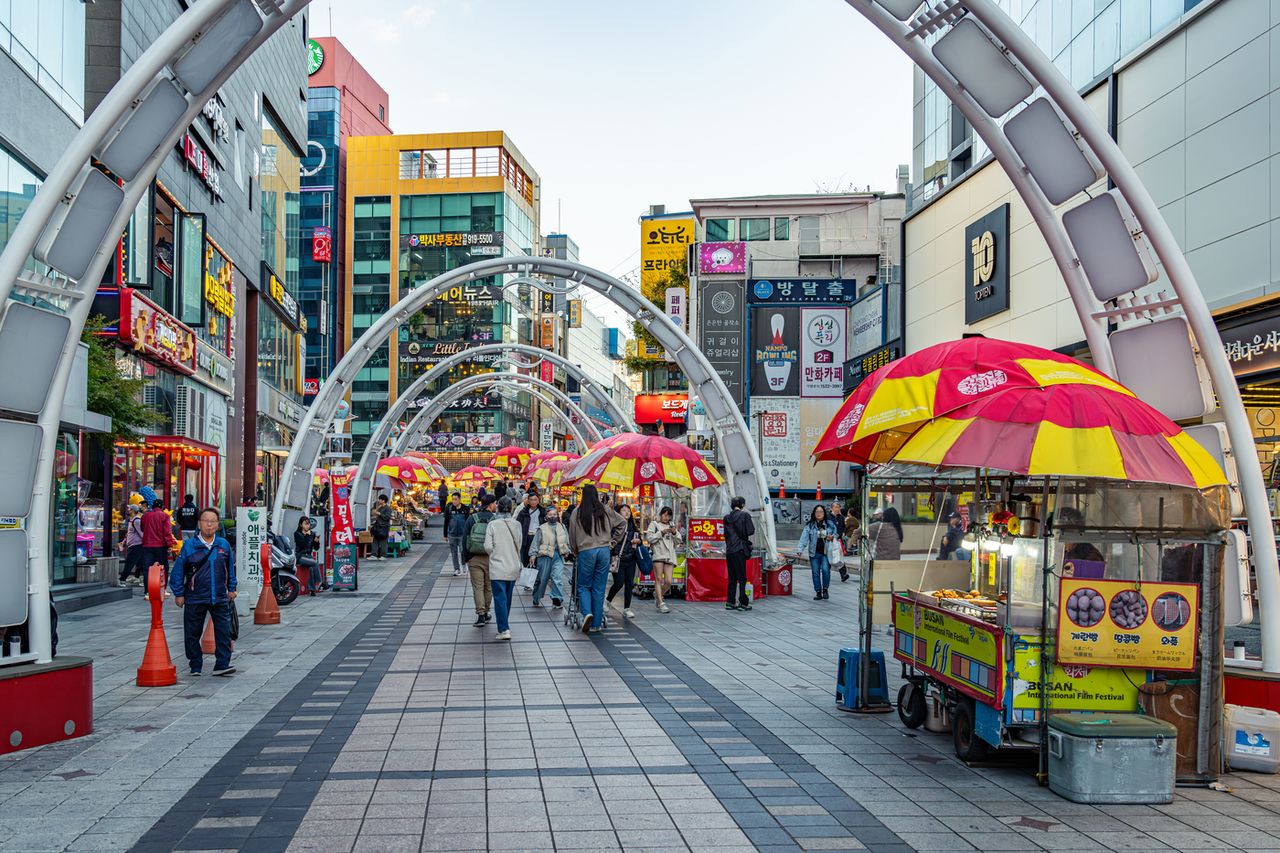
Today, the area hums with street-food stalls and shoppers, and the pavement underfoot is a low-key walk of fame you can stroll right over, set with the handprints of the festival's distinguished guests — Ennio Morricone, Juliette Binoche and Willem Dafoe among them.
New downtown, at full speed
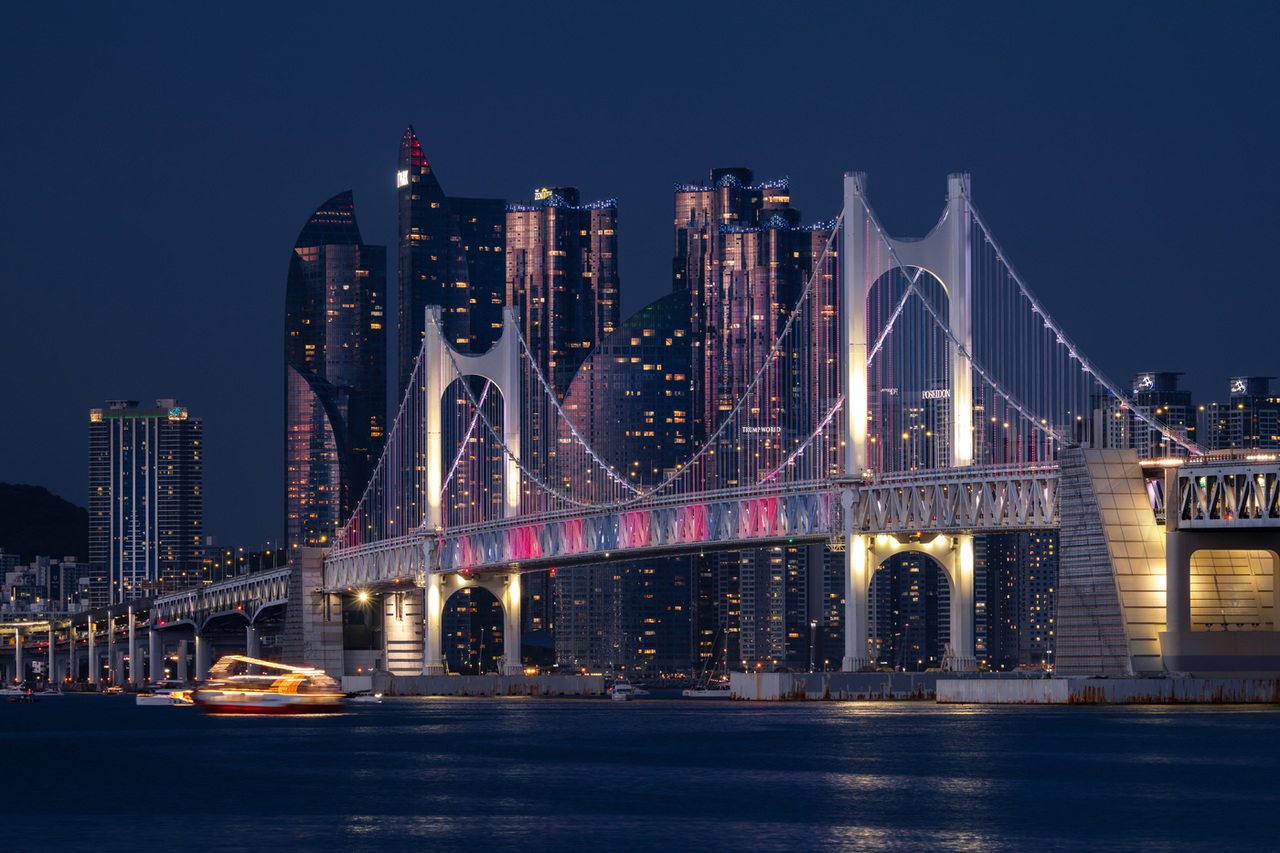
Busan is South Korea's second-largest city, a coastal metropolis of some 3.4 million. Over the past quarter-century or so, it has grown a gleaming modern face alongside its older one, with a skyline that, in places, outshines even the capital's.
For a crash course in that newer, high-gloss side, consider queuing up "Black Panther" (2018), Marvel's record-breaking entry into its superhero universe. Director Ryan Coogler staged the film's bravura five-minute car chase across town, sending the villain Klaue's convoy careening out of Jagalchi Market and across the soaring Gwangan Bridge, the eight-lane span that glows over the bay at night.
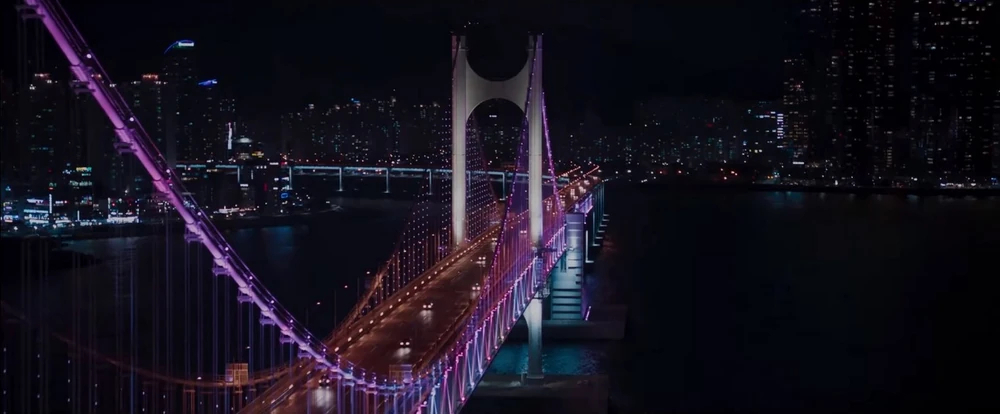
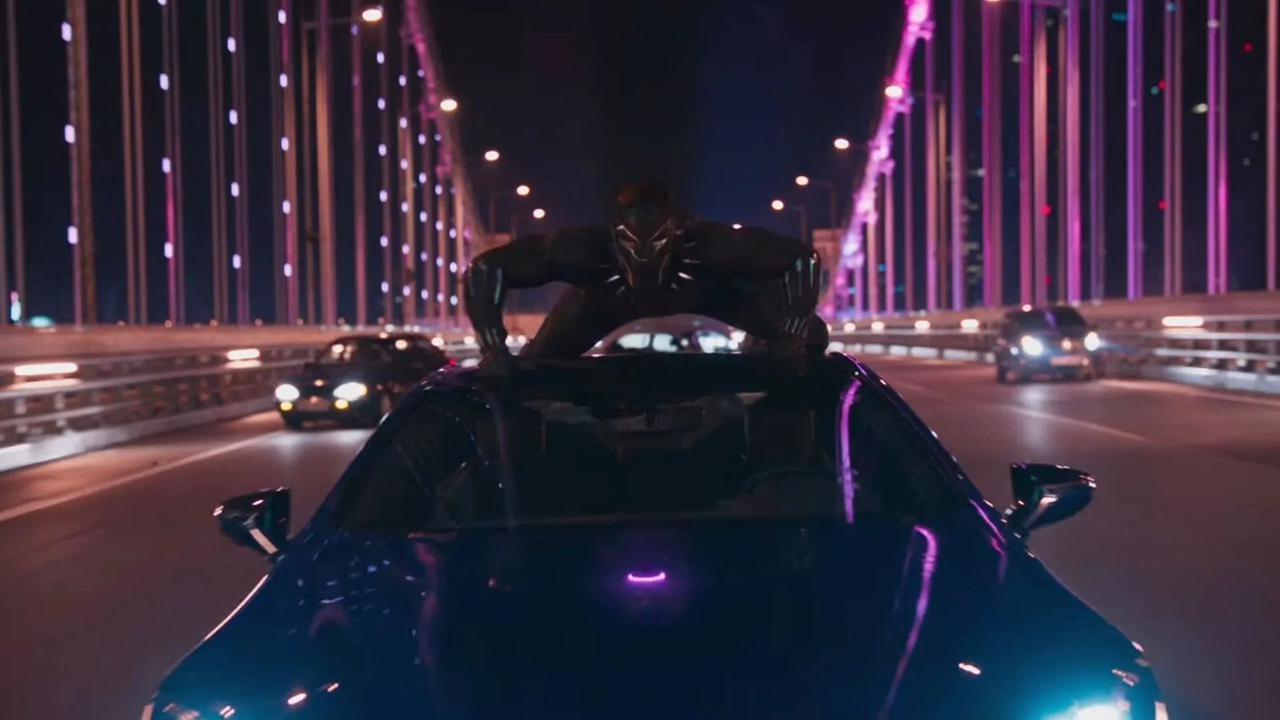
As T'Challa and Okoye leap between speeding cars, the camera drinks in the city around them — the glass towers of Haeundae and Marine City, the open sea, the old fish market churning away beneath it all. It's the new Busan distilled into a single, kinetic sequence.
Where the '80s never left
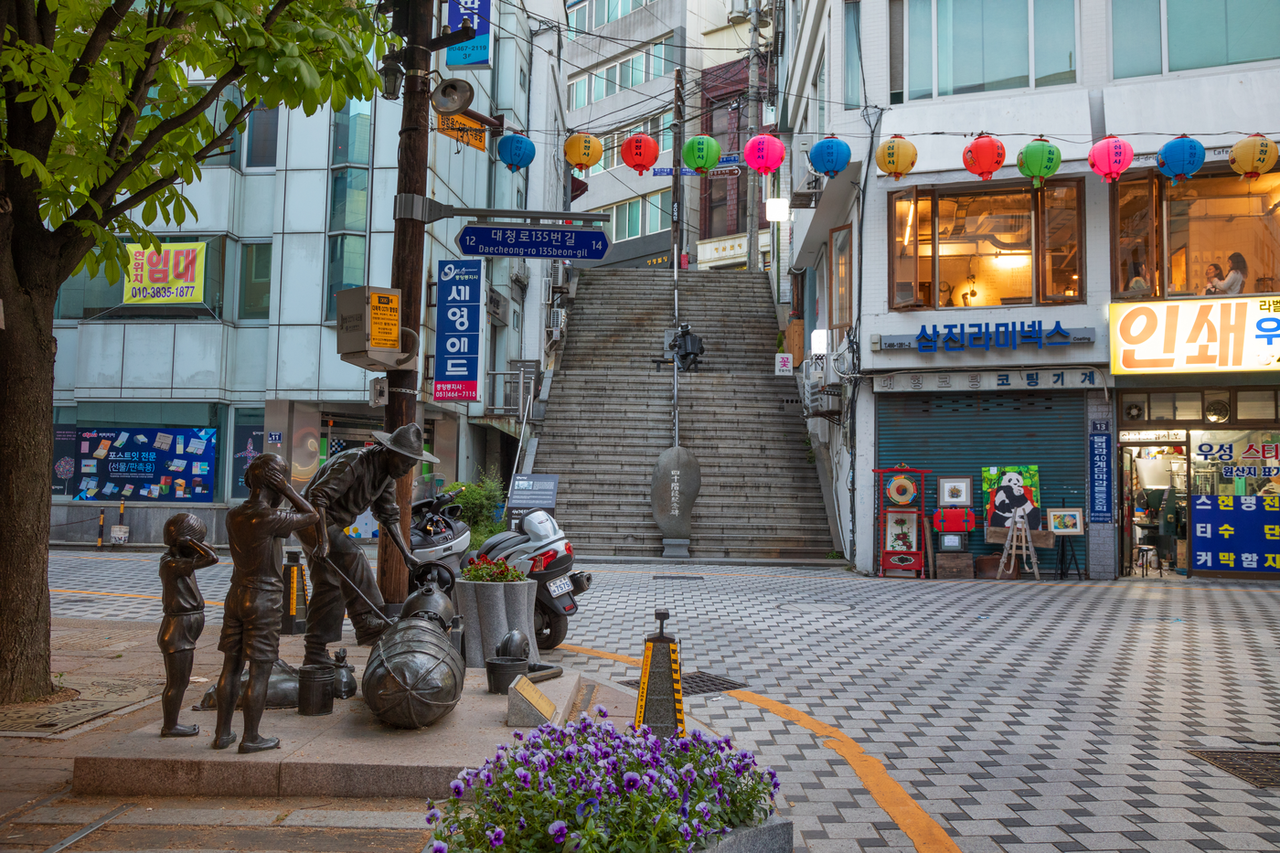
For the flip side, head to the time-worn streets around Busan Station, where the Jungang-dong district near Jungang Station has a way of turning the clock backward.
Nothing here shouts for attention: It's a modest tangle of low brick buildings, overhead wires and decades-old storefronts, the kind of street you'd walk past without a glance, but one that turns into pure period texture on camera.
Which is precisely why filmmakers chasing a vintage look keep coming back.
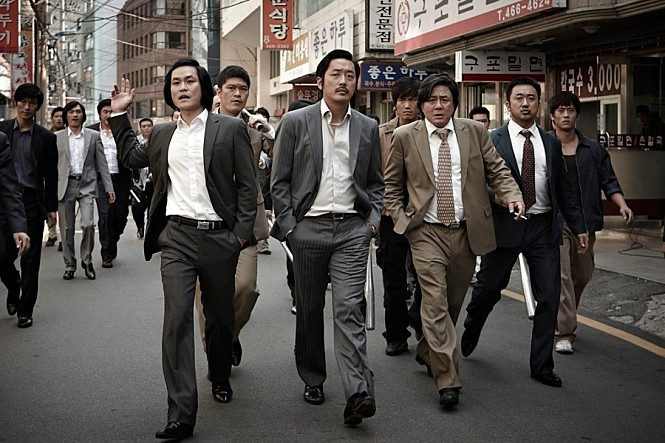
Take "Nameless Gangster: Rules of the Time" (2012), Yoon Jong-bin's grimy, darkly comic study of mobsters and crooked officials in 1980s Busan. With "Oldboy" star Choi Min-sik starring as a bribe-hungry customs man who stumbles his way up the underworld, ranting one minute and groveling the next, the period crime saga leans hard on these blocks to conjure the decade whole. The bottle-smashing brawls and back-alley scheming all unfold in streets that have barely changed since.
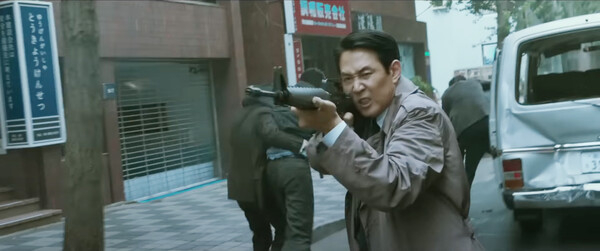
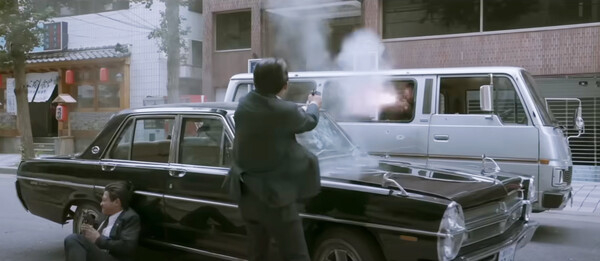
That retro fabric is so convincing that "Squid Game" star Lee Jung-jae, in his breakneck, twisty directorial debut "Hunt" (2022), chose to dress these blocks up as the early-1980s streets of Tokyo. With overseas shoots off the table during the pandemic, the production sealed off the surrounding streets and rebuilt the foreign cityscape by hand for the breathless shootout that opens the Cold War spy thriller.
The villages frozen in time
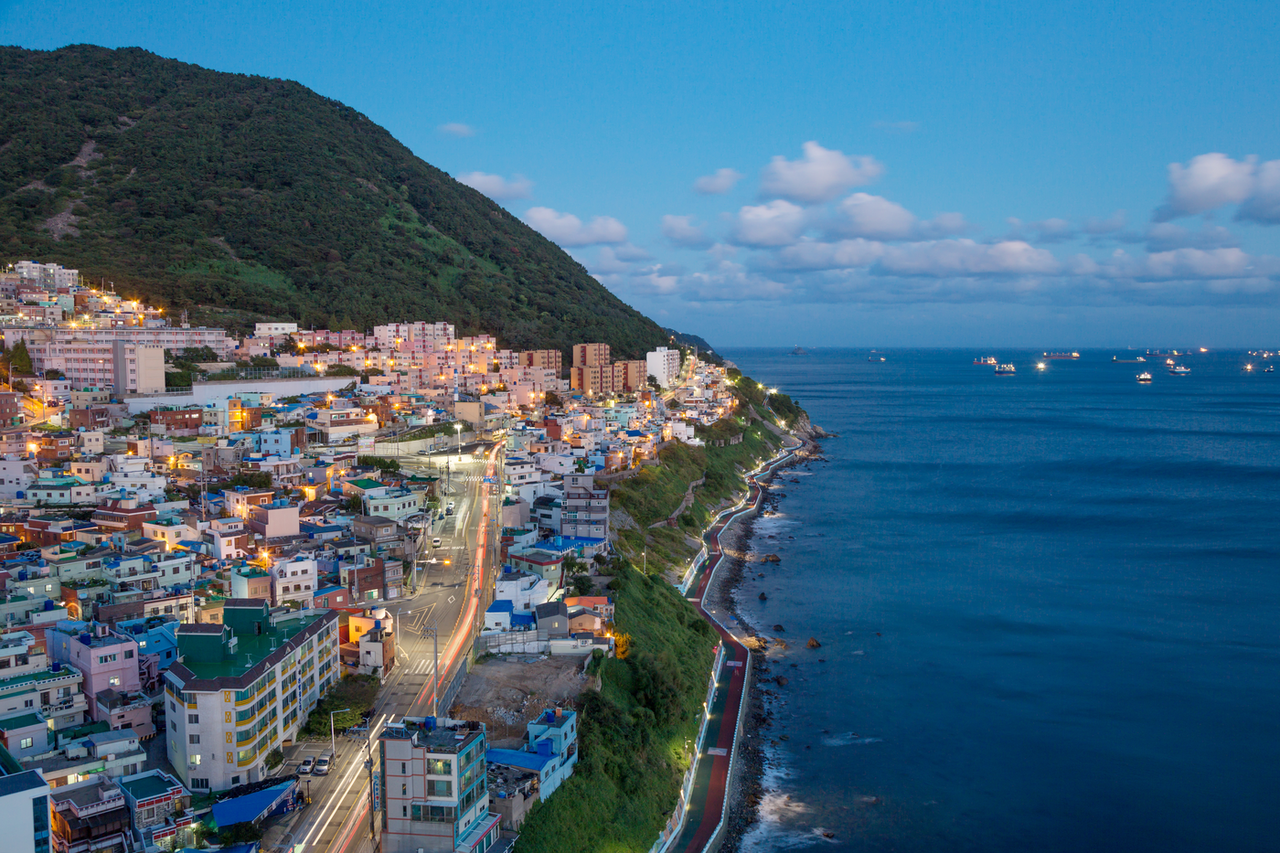
Up in the hills above the waterfront sit the once-cramped refugee settlements thrown up during the Korean War, whose narrow lanes and small houses still carry traces of that past.
Huinnyeoul Culture Village tumbles down a coastal cliff in rows of weathered chalk-white houses — the sea spreads out below, its lanes now decorated with murals and seaside cafes. That blend of seaside charm and retro feel has made it a go-to backdrop for filmmakers over the years.
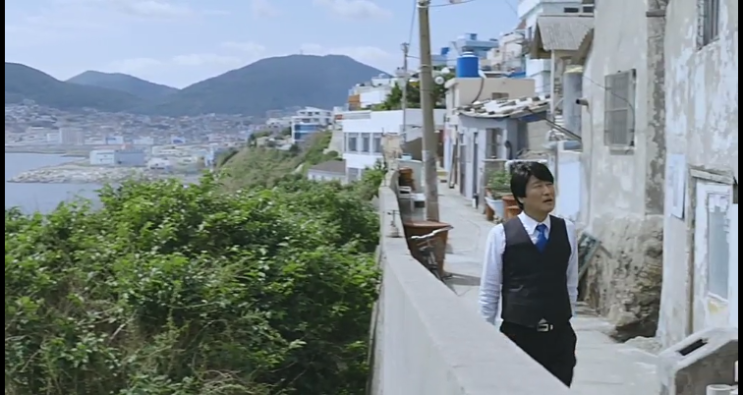
Chief among those films is "The Attorney" (2013), the courtroom drama starring Song Kang-ho ("Parasite") as a money-minded tax lawyer who finds his conscience when a student is tortured into a false confession by the military dictatorship.
The story was loosely drawn from a real case the late President Roh Moo-hyun took on as a young lawyer in early-1980s Busan, which is why it struck such a chord with Korean viewers and became a box office sensation. It's in the clifftop village that Song's character climbs the alleys to make his fateful visit to the boy's family and vows to take the case; a line from the film is still painted on a wall along the way.
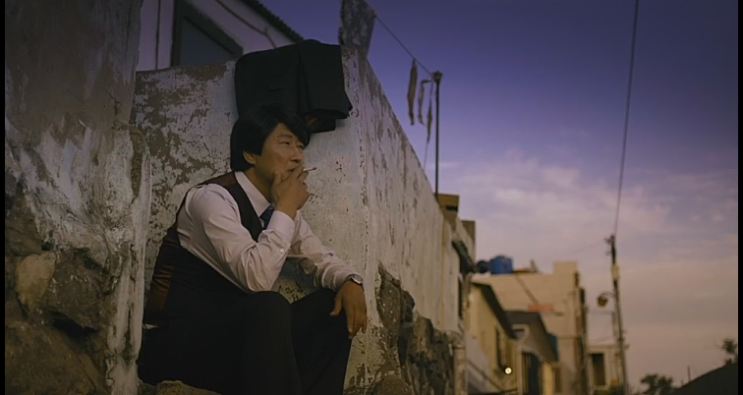
Less trafficked, and arguably more captivating, is Maechukji Village — a hushed pocket of the city built from old colonial-era horse stables that Korean War refugees later carved into homes. Its crammed alleys, thick with tangled powerlines and crumbling walls, give off the worn, shadowy mood that's made it a fixture in Korean cinema's darker, more violent fare.
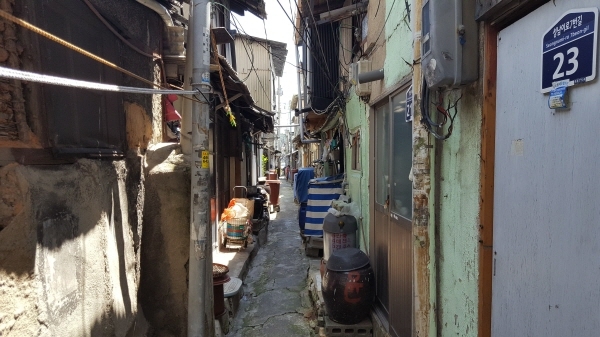
In "The Man From Nowhere" (2010), the bloody revenge thriller starring Won Bin as a former special agent turned pawnshop owner who tears through the underworld to rescue a kidnapped girl (played by the late Kim Sae-ron, then a child actor), the neighborhood's seedy alleyways stand in for the grimy slum where the character lives as a recluse, his haunted past buried deep.
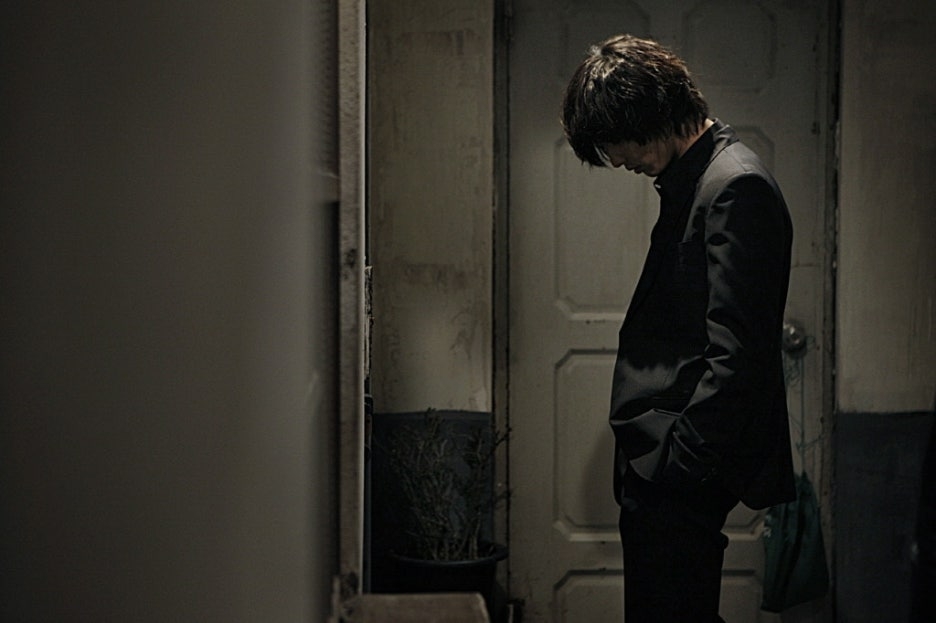
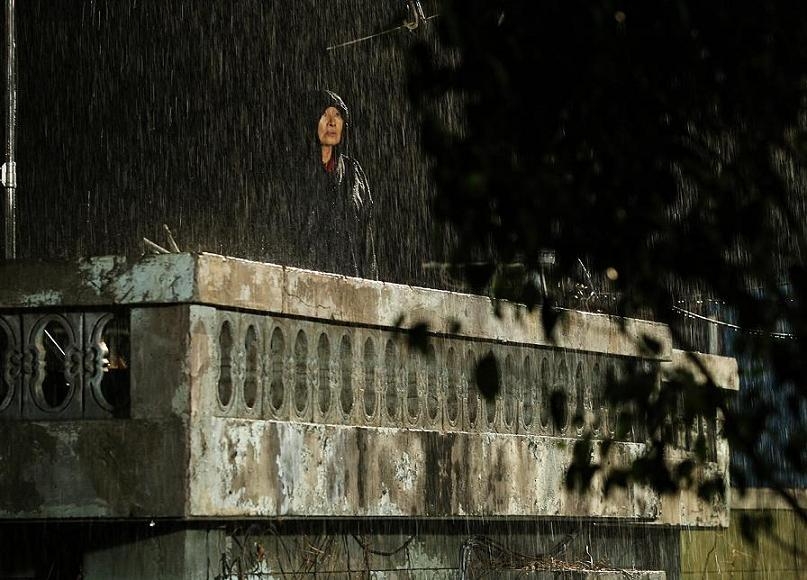
Bong Joon-ho's murder mystery "Mother" (2009) also found in the district its small, run-down town, where Kim Hye-ja, as an herb-shop owner, digs into a girl's death to clear her son of the killing. In the process, she turns up secrets the town would rather keep buried, and the truth unravels in ways she never could have imagined.
Markets made for drama
No tour of Busan is complete without a walk through its old markets — warrens of stalls and street food like the ones Klaue's convoy tore through in "Black Panther." One of them is Gukje Market, a sprawling, maze-like bazaar that grew out of the trade refugees set up after the war, its covered arcades and tight alleys spilling over with everything from hanbok to housewares.

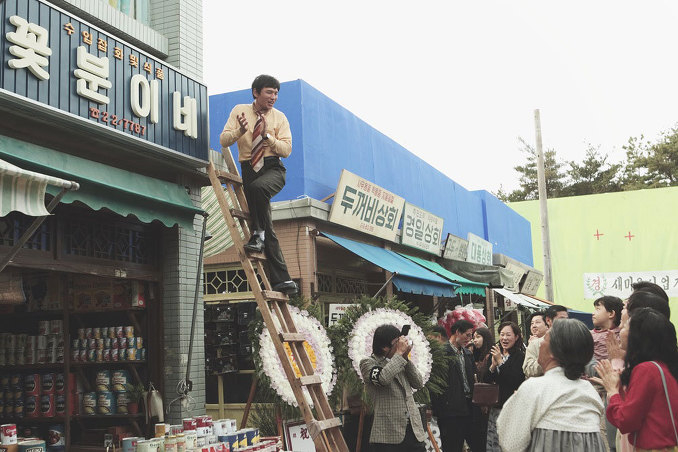
The market lends its name directly to the runaway hit "Ode to My Father" (2014) — "Gukjesijang" in the original Korean — an unabashedly tear-jerking epic that follows the life of one man, Deok-soo (Hwang Jung-min), across the hardest decades of Korea's modern history. It's here that Deok-soo's family claws its way up from the wreckage of war; the modest import shop he runs in the film, Kkotbunine, still stands in the market today and remains a regular stop for visitors.
Some green for a change
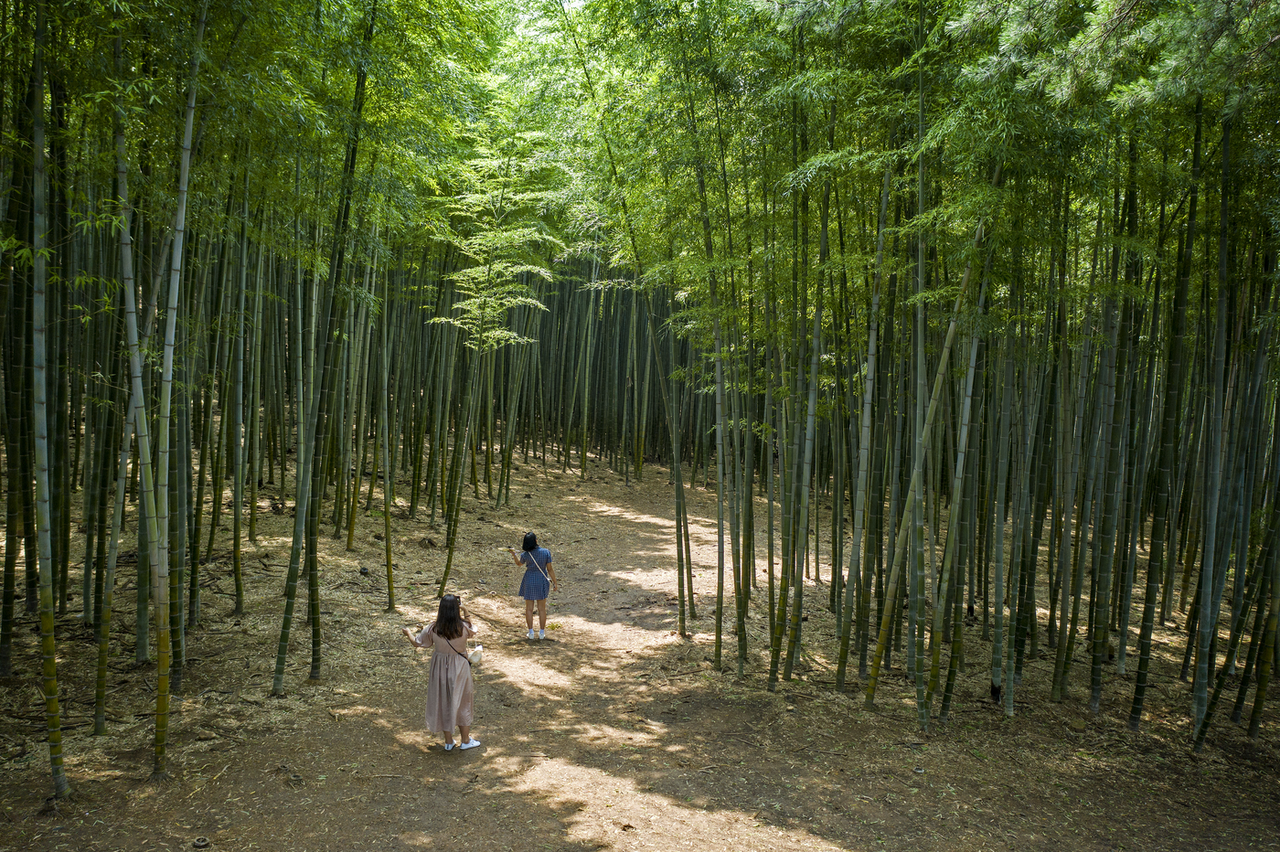
Although Busan is a port city at heart, beyond the beaches and the bay, it's dotted with green hideaways tucked inland — forests and woodlands most visitors never know are there.
Ahopsan, a 400-year-old forest on the city's northeastern edge, is a privately owned wood that the same family has tended for generations, opened to the public only a decade ago. Its dense groves of thick bamboo arc overhead until they all but blot out the sky; walk in, and the stalks swallow every last sound of the city.
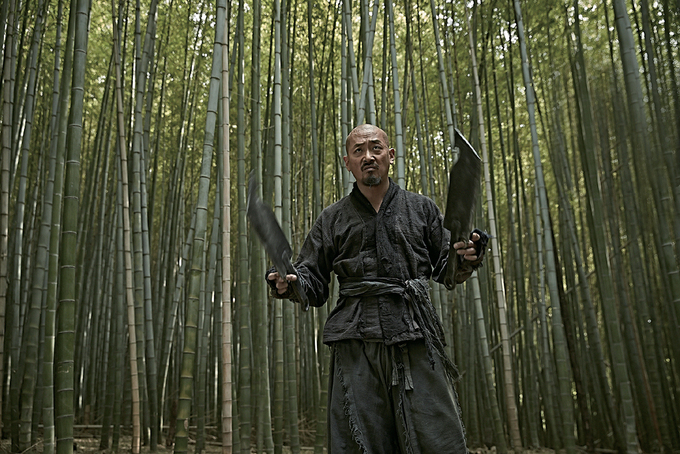
That hush and those soaring stalks set the stage for the climactic showdown in "Kundo: Age of the Rampant" (2014), the rollicking Joseon-era actioner about a band of outlaws robbing from corrupt nobles. Deep in the bamboo thicket, the butcher-turned-bandit hero (Ha Jung-woo) squares off against the sociopathic aristocrat who destroyed his family (Gang Dong-won) in a long-awaited reckoning, as the leaves rustle in the wind.
moonkihoon@heraldcorp.com