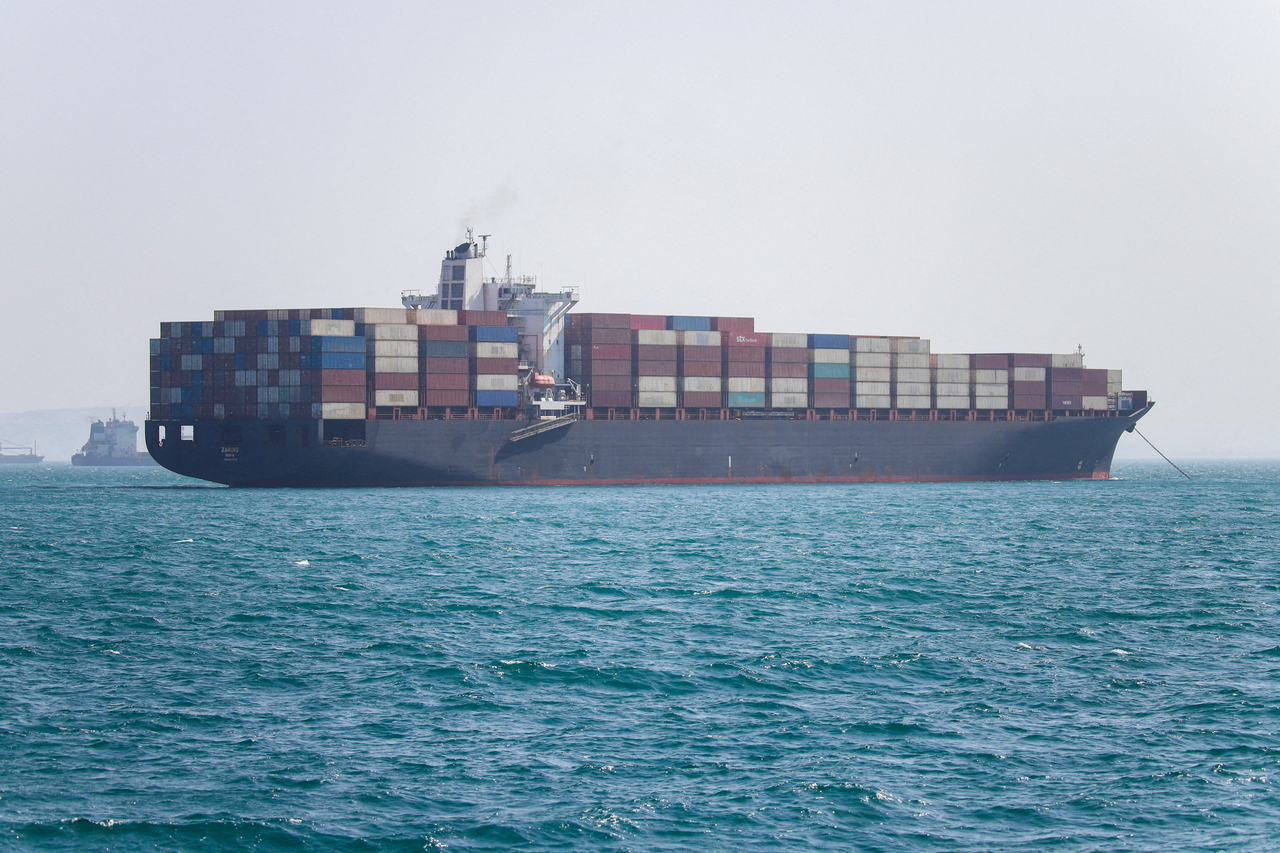
A narrow waterway has become the widest fault line in the alliance system. As the blockade of the Strait of Hormuz drags on, the question is no longer whether partners will be asked to contribute, but how they will be judged when they do.
작은 수로 하나가 동맹 체제에서 가장 큰 갈등의 소지가 되었다. 호르무즈 해협 봉쇄가 장기화되면서 문제는 더이상 동맹국들의 기여 여부가 아니라 그들이 기여했을 때 어떤 평가를 받을 것인가다.
The March 19 summit between US President Donald Trump and Japanese Prime Minister Sanae Takaichi offered an early answer. In an era when Washington speaks in transactions, allies that arrive with a package fare better than those that arrive with hesitation.
3월 19일 도널드 트럼프 미국 대통령과 사나에 다카이치 일본 총리가 가진 정상회담이 이른 해답을 제시한다. 미국 정부가 모든 것을 거래의 관점에서 보는 지금 대책을 가지고 임하는 동맹국은 망설이는 태도를 보이는 파트너보다 더 좋은 성과를 낸다.
The crisis has shown how differently allies respond to the same pressure. Both South Korea and Japan depend heavily on the strait for energy imports, with more than 60 percent of crude supplies passing through the corridor. Both face domestic constraints on military deployment. Yet Tokyo entered the Washington meeting with a prepared script.
위기를 통해 같은 압박에 처한 동맹국들이 어떻게 다르게 대응하는지가 드러났다. 한일 양국 모두 원유 공급의 60퍼센트 이상이 호르무즈 해협을 통해 에너지 수입에 있어 동 해협에 크게 의존하고 있다. 군 전력 파병에 있어 국내적으로 제약을 받고 있기도 하다. 그러나 일본 정부는 준비된 상태로 워싱턴에 입성했다.
Before the summit, it joined a joint statement condemning Iran’s blockade and supporting safe navigation, signaling political alignment without committing to force. During the talks, Takaichi explained the legal limits imposed by Japan’s constitution while offering cooperation in areas that mattered to Trump, including investment and energy projects.
정상회담 전 공동성명에 동참해 이란의 봉쇄를 규탄하고 안전한 통행을 지지했다. 무력행사를 약속하지 않으면서도 정치적 행보를 함께 할 것을 시사한 것이다. 회담을 통해 다카이치 총리는 자국 헌법으로 인한 법적 한계를 설명하는 동시에 투자 및 에너지 프로젝트를 포함해 트럼프 대통령이 중시하는 분야에서 협력을 제시했다.
That approach was diplomacy by design, pairing diplomatic backing with a massive economic pledge, including cooperation on small modular reactors and defense production. It framed its limits as legal boundaries rather than hesitation, stressing what it could do within the law.
이러한 접근 방식은 치밀하게 의도된 외교다. 외교적 지지에 더해 소형모듈원자로 그리고 방위산업분야에서의 생산 협력을 포함한 막대한 경제적 지원을 약속한 것이다. 일본은 자국법의 허용범위 내에서 할 수 있는 것을 강조하며 기여를 망설이고 있다기보다는 법적 테두리로 인해 일본이 할 수 있는 것에 한계가 있다는 것으로 규정했다.
The result was not full agreement, but a workable balance. Trump praised Japan for stepping up even while pressing for greater burden sharing, a reminder that approval in Washington often remains provisional.
그 결과 전적인 합의는 아니었으나 실현 가능한 균형이 도출되었다. 트럼프 대통령은 일본이 나서준 것에 대해 칭찬하면서 동시에 더 많은 부담을 분담하라는 압박을 가했다. 미국 정부의 지지는 일시적인 경우가 흔하다는 것을 상기시키는 부분이다.
Seoul has approached the same dilemma more cautiously, and the difference is visible. South Korea joined the G7-led statement on Hormuz only after the initial announcement, a delay that suggested uncertainty at a moment when Washington is watching closely.
한국 정부는 동일한 딜레마에 좀더 신중하게 접근해왔고 그 차이는 가시적이다. 한국은 G7이 주도한 호르무즈 관련 공동성명이 발표된 이후에야 동참했고 이러한 대응 지연은 미국 정부가 면밀히 주시하는 시점에서 불확실성을 시사했다.
The hesitation is understandable. A recent Gallup survey showed 55 percent of respondents opposed a naval dispatch, leaving little political room for Seoul’s bold moves ahead of local elections in June.
망설이는 것은 납득할 수 있다. 갤럽이 최근 시행한 여론조사에서 응답자 55퍼센트가 해군 파병을 반대했고 6월 지방선거를 앞두고 있는 한국 정부로서는 과감한 조치를 취하기에는 정치적 입지가 크지 않다.
Operational limits also matter. The Cheonghae Unit lacks mine-clearing capability, and the Navy’s minesweepers are not suited for high-threat operations far from home waters. These constraints narrow the options, but they do not remove the expectation of contribution.
작전상의 한계 또한 중요하다. 청해부대는 지뢰 제거 능력을 갖고 있지 않고 해군의 소해함은 원거리 해역에서의 고위험 작전에는 적합하지 않다. 이러한 제한요소들로 선택지는 좁아지나 기여에 대한 기대가 사라지지는 않한다.
Pressure from Washington is unlikely to ease. Trump said Friday that his administration is considering winding down its military campaign against Iran while insisting that countries dependent on Middle Eastern energy should help secure the shipping lane. He has repeated that the US does not need the strait, while South Korea, Japan and others do.
미국 정부로부터의 압박이 줄어들 기미는 보이지 않는다. 트럼프 대통령은 금요일 자국 정부가 대 이란 군사작전 축소를 검토중이라며 에너지 수급을 위해 중동에 의존하는 국가들이 수송로 확보에 도움을 주어야 한다고 주장했다. 미국은 호르무즈 해협을 필요로 하지 않지만 한국, 일본 그리고 여타 국가들은 필요하다는 점도 재차 언급했다.
The message is clear. If the American role shrinks, the burden will shift to those who rely on the route.
말하고자 하는 바는 분명하다. 미국의 역할이 줄어든다면 동 해로에 의존하는 국가들이 부담을 떠안게 될 것이다.
The lesson from Tokyo is not that Seoul should copy Japan’s policy line by line. It is that ambiguity alone no longer works. In the current alliance climate, contributions are judged broadly.
일본으로부터의 교훈은 한국 정부가 그 기조를 그대로 따라해야 한다는 것이 아니다. 모호한 입장만으로는 더이상 버틸 수 없다는 것이다. 현재의 동맹 기류에서 기여는 폭넓게 평가된다.
Military participation is only one part. Investment, industrial cooperation and technological partnership carry weight. This is especially under Trump, for whom security commitments and economic deals belong to the same ledger.
군사적 참여는 한나의 단면에 불과하다. 투자, 산업 협력 그리고 기술적 파트너십 또한 중요하다. 안보 공약과 경제적인 거래를 하나로 보는 트럼프 대통령의 집권하에서는 더욱 그러하다.
South Korea’s new framework for large-scale investment in the US offers an opening. Projects in shipbuilding, nuclear energy and advanced weapons systems could form the core of a package that shows commitment without forcing an immediate decision on combat deployment.
대규모 대미투자를 위한 한국의 새로운 틀은 기회를 열어준다. 조선, 원자력 에너지, 최신 무기 체계 등의 프로젝트를 중심으로 하는 대책을 마련해 즉각 파병 여부를 결정하지 않으면서도 기여 의지를 보일 수 있다.
The blockade of Hormuz has become a test of how middle powers defend their interests as the rules of burden sharing change. The strait in the Gulf now runs through alliance politics as well as oil markets. If Seoul wants to keep both its energy lifeline and its strategic standing secure, it must present a proposal that is defined, credible and difficult to ignore.
비용 분담 원칙이 변화하는 상황에서 호르무즈 해협 봉쇄는 중견국가들이 어떻게 자국의 이익을 지켜낼 수 있는지를 가늠하는 시험대가 되었다. 걸프만에 있는 이 해협은 이제 석유 시장 뿐 아니라 동맹 정치에도 깊이 연관되게 되었다. 중요한 에너지 공급망 그리고 전략적인 입지 모두를 지키고자 한다면 한국 정부는 구체적이고 신뢰할 수 있으며 무시할 수 없는 제안을 내놓아야 할 것이다.
fault line 단층선
transaction 거래
pledge 약속
provisional 잠정적인
ambiguity 모호함
ledger 장부
khnews@heraldcorp.com