Lee Seo-jin faces anxiety, hopes for freedom in the play. For Ko A-sung, goal was to make Lee cry
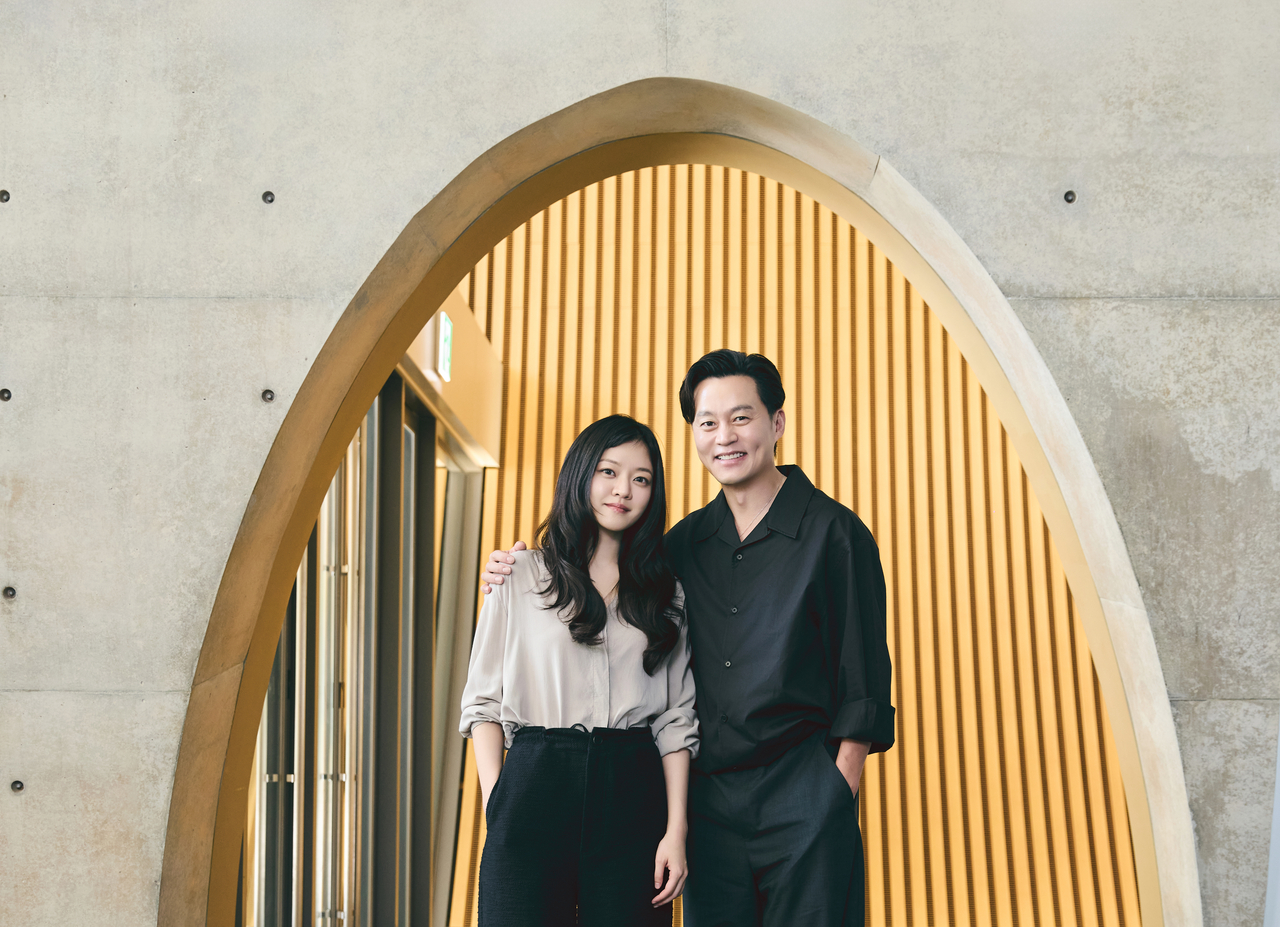
During the 2000s, Lee Seo-jin was a familiar face in Korean drama series: polished, composed and quietly charismatic. By the 2010s, he had become one of variety television’s defining stars, winning audiences over with his deadpan humor and his now-signature persona: a perpetually grumbling yet friendly uncle-next-door figure.
Which made it both surprising and oddly fitting to see him grumbling nervously ahead of his theater debut.
When the 55-year-old actor appeared at a press conference in April for the LG Arts Center Seoul production of "Uncle Vanya," he joked almost immediately that he was already regretting it, adding that he was "thinking this might end up being my last play."
Directed by Son Sang-gyu, this new adaptation of Chekhov's "Uncle Vanya" reframes the 19th-century classic with a contemporary texture.
Lee anchors the production as Vanya, a man approaching late middle age who suddenly realizes the life he devoted to others may have amounted to very little. For years, Vanya and his niece Sonya have sacrificed themselves supporting Sonya's pompous professor father, Serebryakov, only for Vanya to realize that the man is little more than an empty intellectual.
Serebryakov and Yelena, the professor’s young and beautiful wife, arrive at the rural estate, reopening old longings and frustrations. Meanwhile, the country doctor Astrov becomes the object of affection for both Yelena and Sonya.
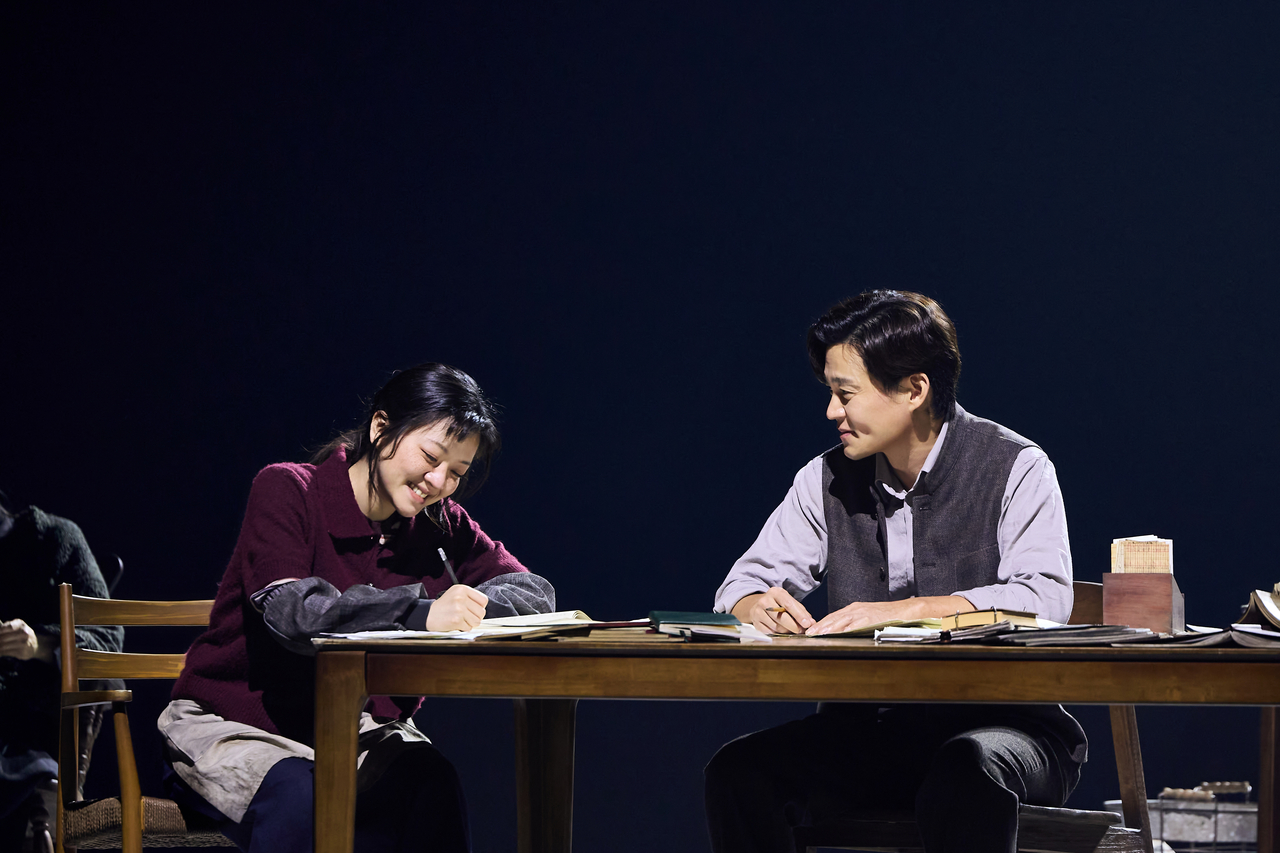
Several days after opening night, Lee was still talking about the production with a kind of lingering anxiety.
"Stage actors are so incredible," Lee said during a group interview last week. "Living in a constant state of tension for three months is not easy at all."
Even Mondays, the production’s lone dark night, offer little relief. "By Monday evening, I already feel burdened thinking about the next performance. It's like the night before school starts again."
For Lee, whose career has largely unfolded in front of cameras, the theater stage has demanded a new kind of endurance.
"Usually, if you’re stressed one day, it fades by the next. But here there's never a day when it disappears," he said. "And I hate being tense like this. For three straight months, every day, rehearsing in that state. Sometimes I'd think, 'Again? We're doing this again?'"
What Lee struggled to see, he said, was the slow accumulation of changes. Directors' notes subtly altered the rhythms and emotional texture of scenes night after night, but from inside the performance, progress felt almost invisible.
Alongside him on that journey is Ko A-sung, performing Sonya, who is also making her theater debut.
"My older sister told me I've been reciting lines in my sleep," Ko said. "I guess the pressure of performing was bigger than I realized."
She, too, said it was still a little too early to promise that she would return to the stage.
"I think I'll only be able to decide whether I want to do (theater) again after this is all over," Ko said. "I'm also filming a series at the same time right now, and when I went back to the set, it felt strangely unfamiliar. I think I need time to figure out what has changed in me."
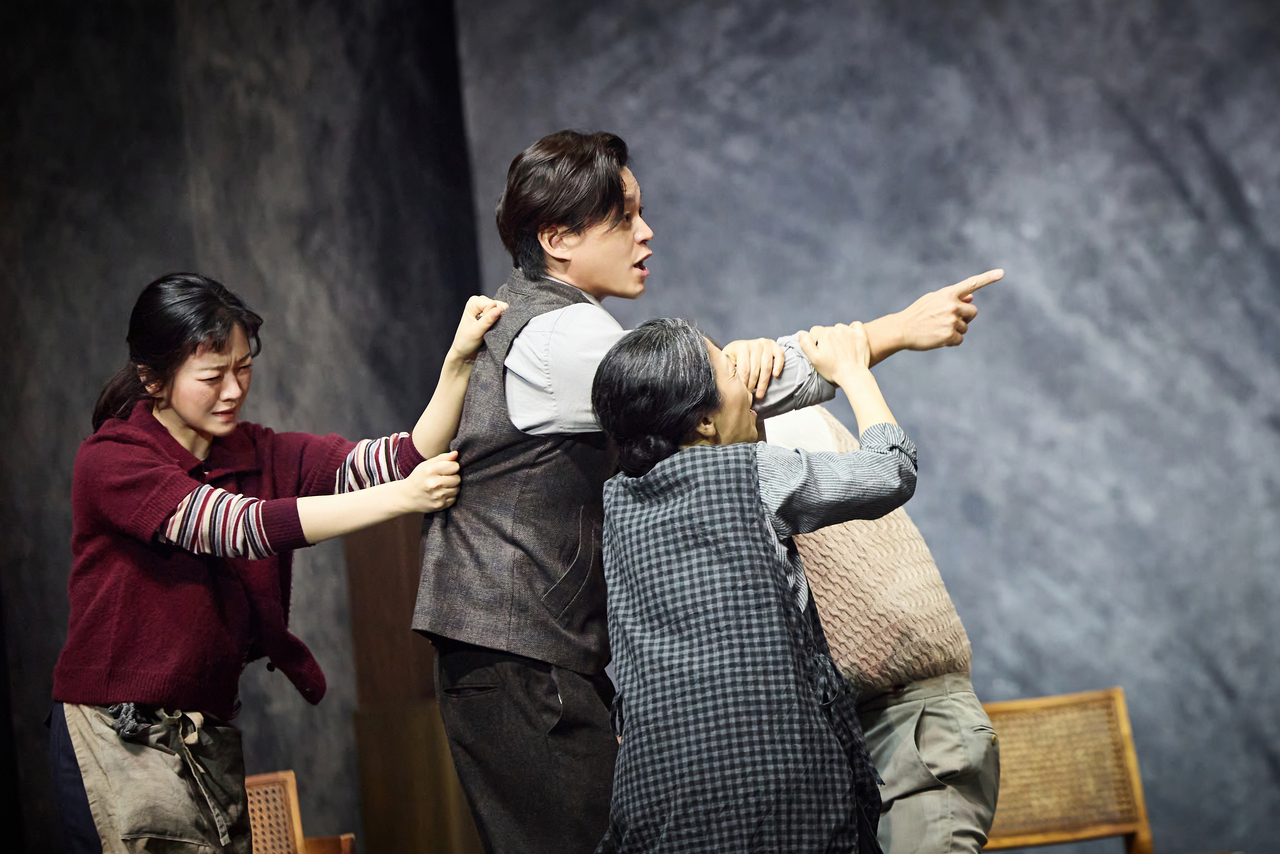
And yet the immediate energy of a live audience has kept them going.
"The process of building a play together is incredibly attractive," Ko said. Each performance, she added, feels newly alive. "You really understand what people mean when they say theater becomes a different show every night."
"Once you're actually onstage and you feel the audience reacting right away, it gives you strength," Lee said. "During rehearsals, I didn’t realize there were that many laughable moments. But audiences laugh so much. I started feeling like a comedian."
That comic quality only sharpens the character's sadness. Lee described Vanya as deeply recognizable: He complains constantly, but in reality, he's powerless to change anything. People close to him, he added, keep telling him they see shades of the real Lee himself in the character.
What waits at the end of all the anxiety, he has started to wonder, may be a kind of freedom.
"Once I get onstage, the lines just seem to come out on their own," Lee said. "And then I start thinking, maybe I can loosen up a little and do more of what I want to do. So I guess, in a way, I am becoming a bit freer. And by the time this run ends, I hope I’ll feel a little freer onstage."
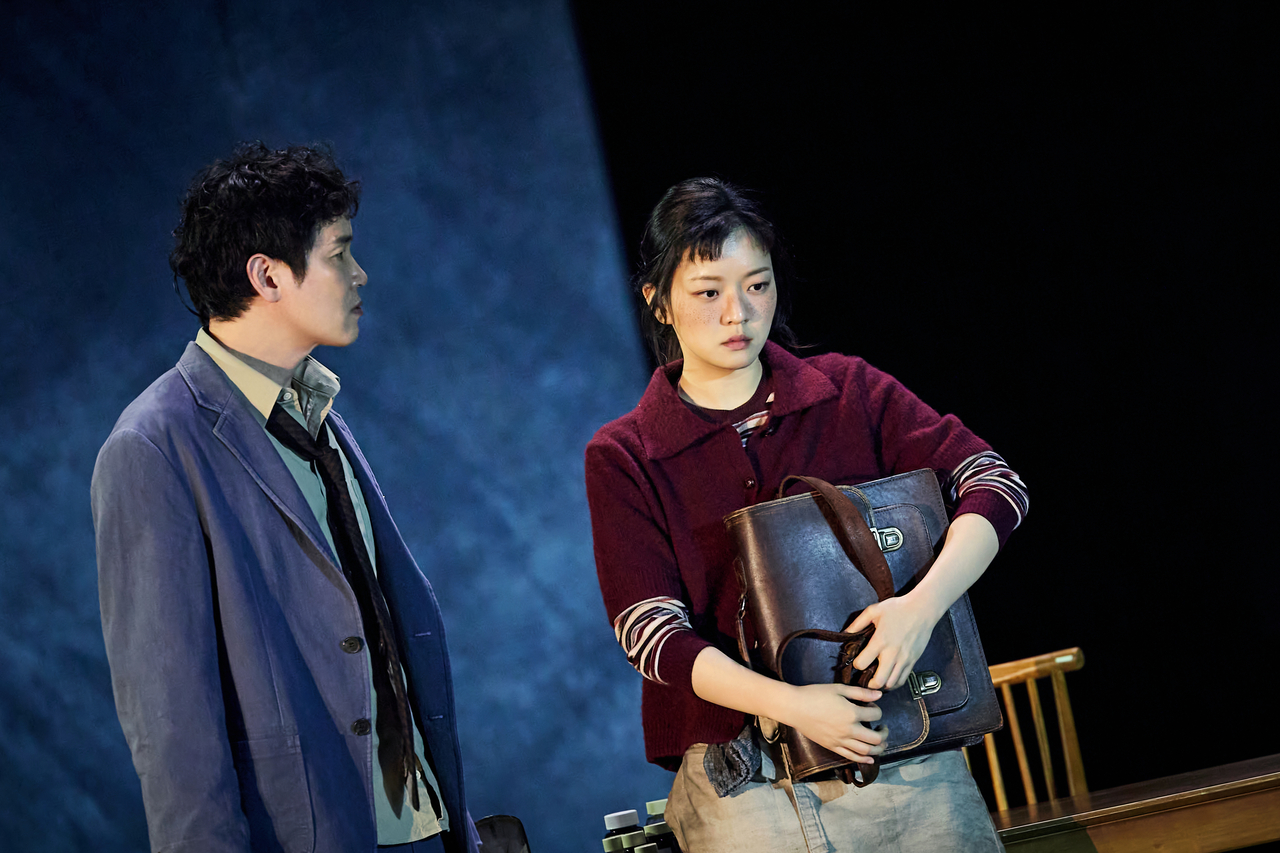
The emotional climax arrives in Sonya's final monologue — a quiet promise that one day, after enduring suffering and labor, "we shall rest." In this production, the speech lands less as despair than as consolation.
Ko said she had one private goal: to make Lee cry.
"But it turned out to be easier than I expected. He was tearing up from rehearsals onward, so I felt secretly proud."
Ko contrasted their interpretation with a BBC version, in which Sonya collapses into Vanya's grief. "That Sonya ends in sobbing despair. But our Sonya becomes someone who offers Vanya comfort and hope."
She added, "I hope audiences leave the theater feeling a little more tenderness."
"Uncle Vanya" runs through May 31 at the LG Arts Center Seoul.
hwangdh@heraldcorp.com