

Essential drug used for seizures and psychiatric emergencies running out at pediatric wards
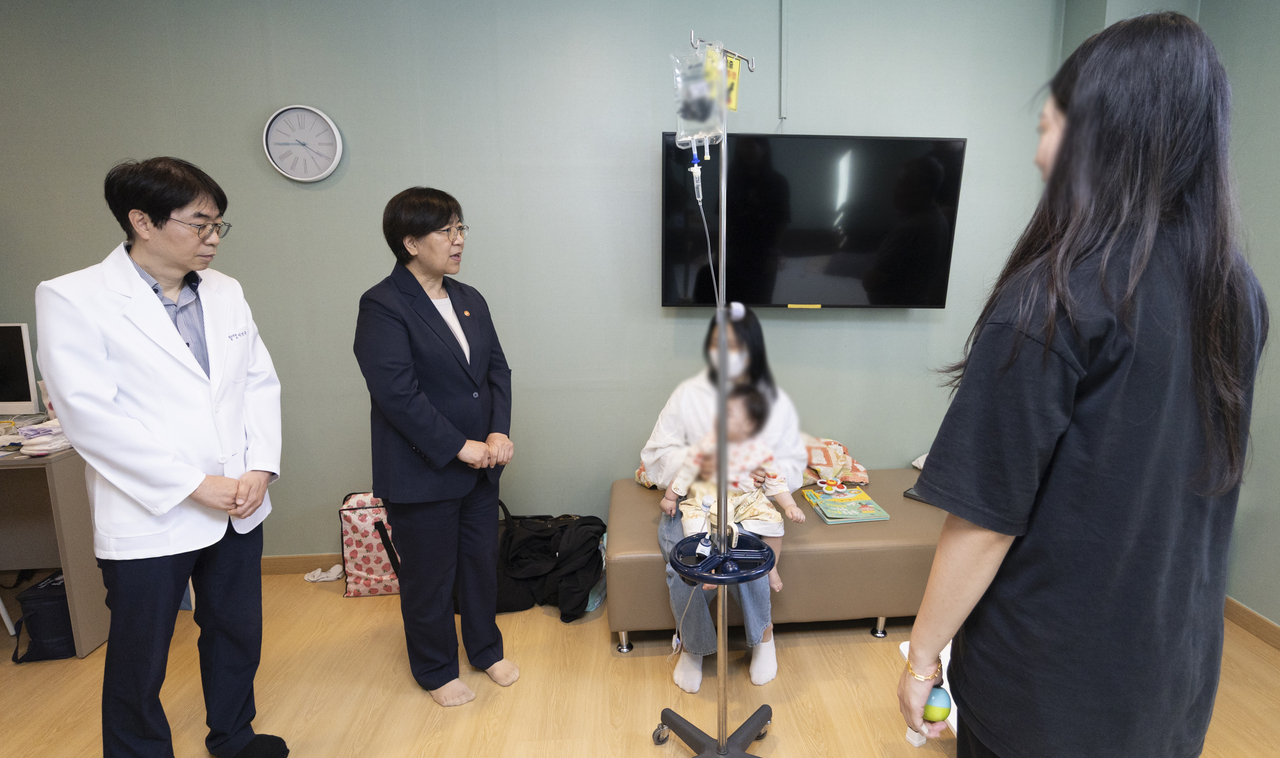
Several pediatric hospitals in South Korea have reported a shortage of Ativan injections, a critical emergency drug used to stop seizures in children and stabilize psychiatric patients, touching off concerns over a potential medical crisis.
Twelve hospitals had already exhausted their supplies of Ativan injections and another 13 are expected to run out within one to two months, according to a survey of 35 pediatric hospitals nationwide by The Korean Association of Pediatric Hospitals released Saturday. Twenty-five hospitals, or 71.4 percent of respondents, described the situation as a serious crisis likely to disrupt treatment before summer.
Ativan, known generically as lorazepam, is a benzodiazepine anticonvulsant used to suppress excessive neural excitation in the brain. In pediatric emergency rooms, it is considered one of the first-line treatments for febrile seizures and severe convulsions, earning the nickname “the airbag of the emergency room” among medical staff.
Doctors warn that delays of even a few minutes in treating seizures can result in hypoxic brain injury or long-term neurological complications.
The supply disruption began after Ildong Pharmaceutical, which had supplied Ativan injections domestically since 1982, announced in December that it would halt production. The company reportedly cited mounting financial losses due to the high cost of upgrading aging production facilities to comply with stricter manufacturing regulations introduced by the Ministry of Food and Drug Safety.
Although the drug has been designated both a national essential medicine and a “withdrawal prevention drug,” due to its low profitability but high clinical importance, hospitals say the current system has failed to guarantee a stable supply. One ampule of Ativan injection costs only 782 won ($0.52), a price level industry officials say does not reflect actual production costs.
Doctors say crucial drug cannot be replaced
Medical professionals also rejected claims that alternative drugs such as midazolam or diazepam could adequately replace Ativan. They say the alternatives differ significantly in onset speed, duration, administration method and side effects.
In the survey, 69 percent of hospitals described such arguments as “dangerous thinking that gambles with patients’ lives.”
Unlike Ativan, some alternatives require intravenous injection rather than intramuscular injection, making them less practical during emergencies involving children or agitated psychiatric patients. Physicians also noted that Ativan places less strain on liver function and causes fewer respiratory complications in vulnerable patients.
The shortage is not limited to pediatric care, as psychiatric hospitals and emergency wards treating severe mental illness have also raised alarms. Ativan injections are widely used to calm patients experiencing panic-induced seizures, alcohol withdrawal, delirium or acute psychotic episodes, for which the physicians say there is no equivalent substitute.
Hospitals urged the government to reform the pricing structure for essential medicines by reflecting real manufacturing costs in reimbursement rates. Some 63 percent of hospitals surveyed said raising drug prices to sustainable levels was the most urgent measure needed to restart production.
According to the Ministry of Food and Drug Safety data, 147 cases of supply interruption involving national essential medicines were reported between 2020 and August last year. South Korea currently designates 473 medicines as nationally essential, meaning nearly one-third have experienced supply instability.
jychoi@heraldcorp.com