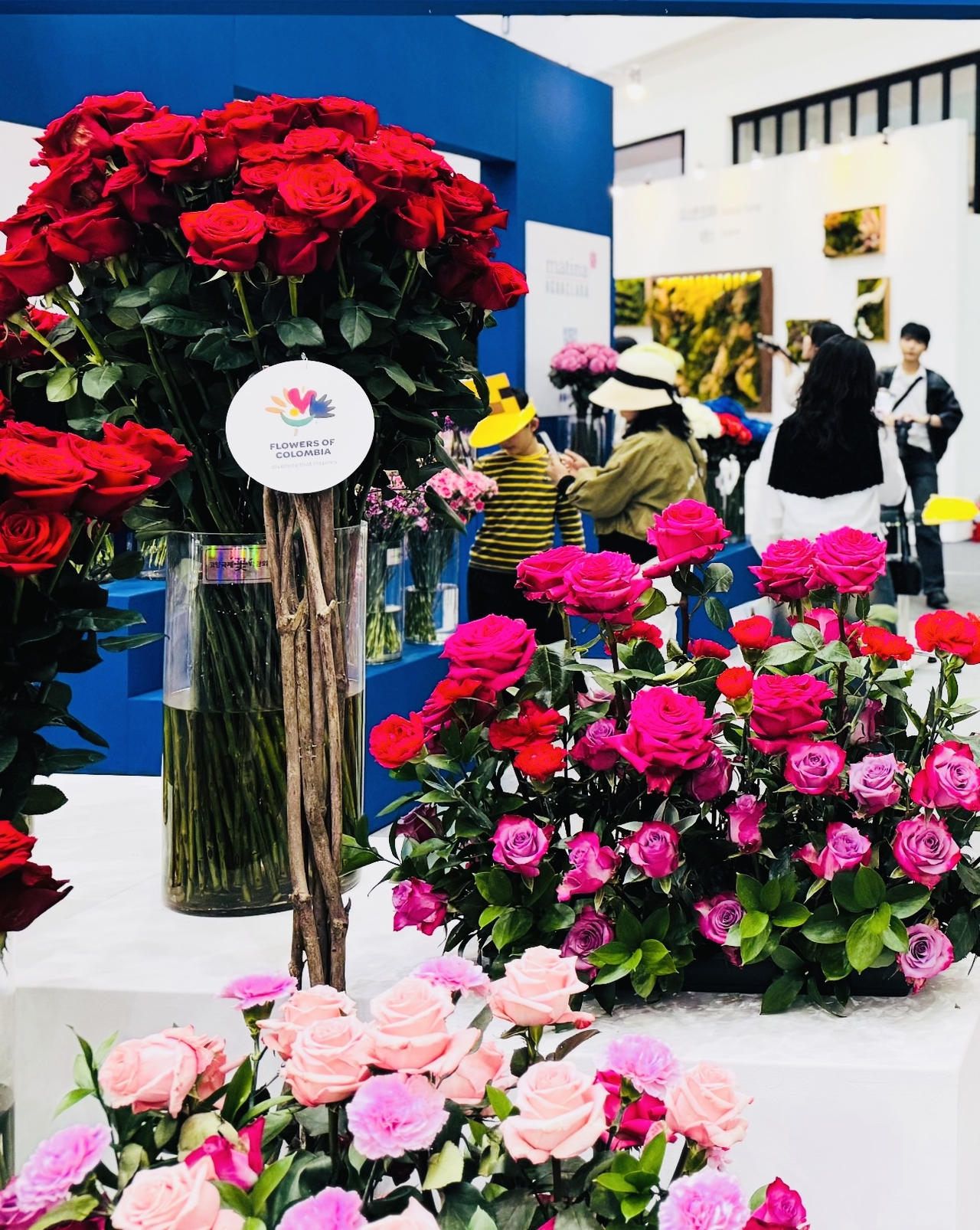
GOYANG, Gyeonggi Province — Colombia showcased its vibrant floral industry at the 2026 International Horticulture Goyang Korea festival.
Through IHK 2026, one of South Korea’s major spring flower exhibitions held annually at Ilsan Lake Park from April 24 to May 10, ProColombia the promotion agency of Colombian government in Seoul ran a Colombian Pavilion to reach a broader base of Korean consumers.
Colombian flower exports to South Korea have surged since the signing of a Korea-Colombia free trade agreement, strengthening its position as a leading supplier in the market. In 2025, Colombia held a 42.4 percent import share, ahead of China and Vietnam, and dominated premium segments with 86.7 percent in carnations and 62.6 percent in roses, according to the Colombian Embassy in Seoul.
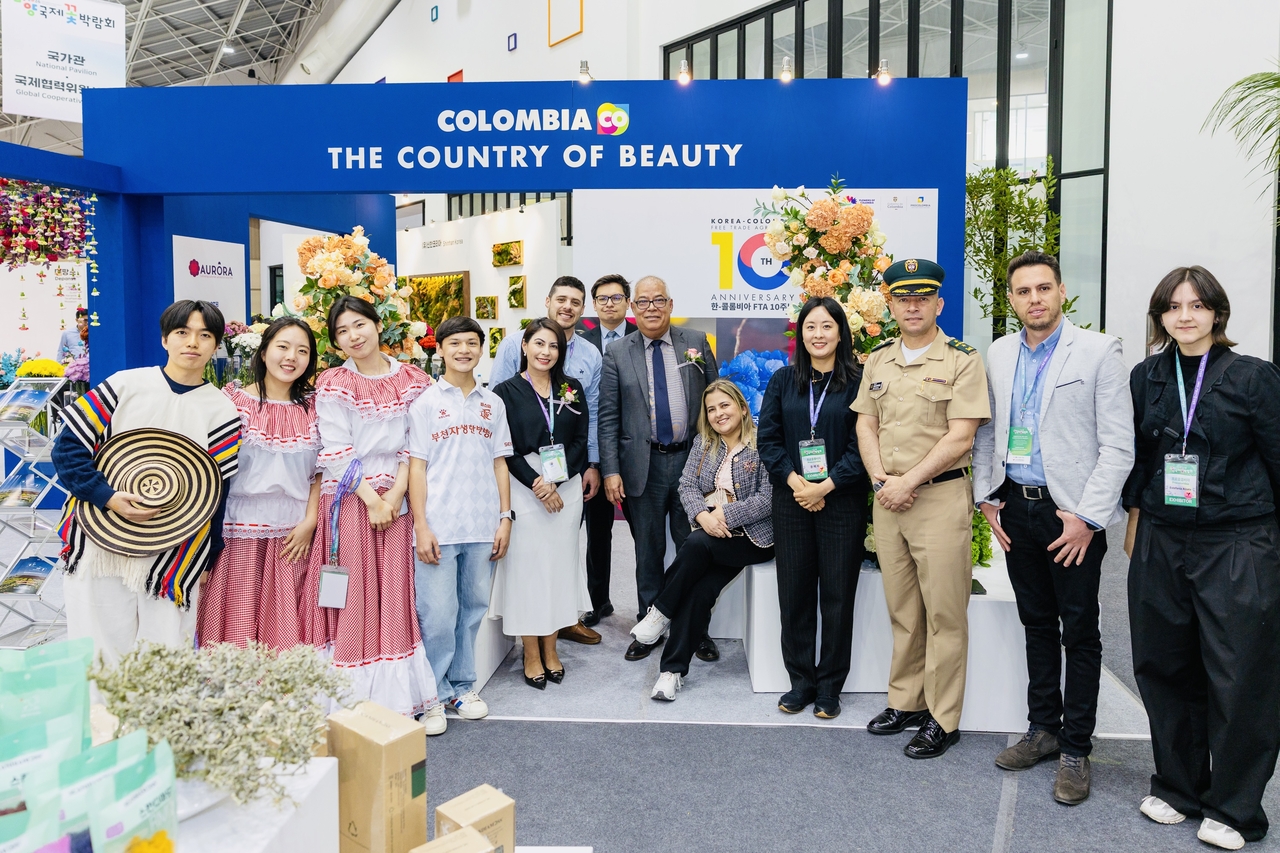
“Colombia arrives as the leading supplier of fresh-cut flowers to South Korea,” the embassy told The Korea Herald, adding that it reflects “a dynamic and rapidly growing bilateral trade relationship.”
The number of Colombian flower exporters to Korea rose from 21 firms in 2014 to 94 in 2025, while export value increased from $2.3 million to $19.2 million and volume from 494 metric tons to 3,210 tons.
Industry officials attribute the growth to strong Korean demand, improved logistics and tariff benefits under the FTA that allow duty-free entry.
Carnations made up 51.7 percent of exports to Korea in 2025, followed by roses at 23.4 percent and hydrangeas at 17.6 percent, according to ProColombia reports.
“Colombia is not just a supplier; it is the market leader in key premium flower segments,” Shirley Vega, Director of ProColombia Korea told The Korea Herald, noting that the pavilion highlights biodiversity, sustainability and floriculture expertise.
sanjaykumar@heraldcorp.com