Eased regulations include longer workcation stays on Jeju Island, new category in skilled worker visa
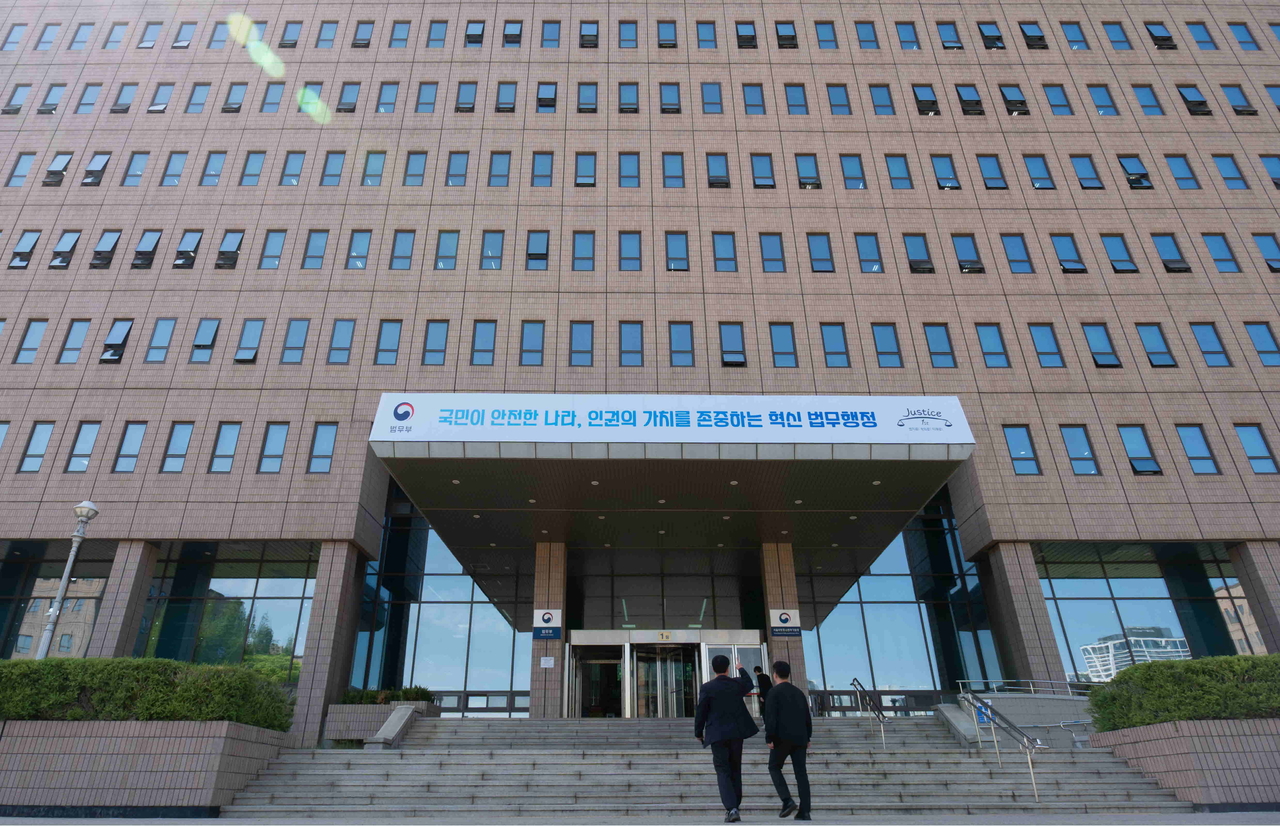
The Ministry of Justice said Monday it has adopted eight visa-related proposals from industries, labor groups and educational institutions, as Korea seeks to ease workforce shortages and attract more foreign students and professionals.
The ministry held its third annual consultative meeting on visa and stay policies, attended by officials from six government ministries and two local governments, to assess demand for visa policy changes and review proposals from the private sector.
Under the system, participating ministries and local governments collect visa policy proposals from relevant industries and institutions, submit them to the Justice Ministry and discuss whether they should be adopted.
This year, the ministry accepted eight of the 20 proposals submitted to the meeting.
Among them were two similar proposals from the Education Ministry and the Agriculture Ministry to ease work experience and Korean-language requirements for non-degree student visa (D-4) applicants admitted to Sura School, an Agriculture Ministry-backed institution established to train specialists in Korean cuisine.
The Justice Ministry said the measure was adopted to support the globalization of Korean food.
The ministry also decided to add mold technicians to the list of occupations eligible for the E-7-3 visa, a category for skilled workers, to help address a shortage of technicians in the manufacturing sector.
Up to 150 mold technicians will be allowed to enter the country each year under the expanded eligibility.
For Jeju Island, the ministry will extend the maximum stay for foreign nationals entering the island visa-free for a “workcation” from the current 30 days to 90 days. A workcation refers to a travel arrangement in which people work remotely while staying at a leisure destination.
The ministry also agreed to waive the one-year work experience requirement for science and engineering majors applying for the special occupation visa (E-7-1) if they complete an education program offered by the Korea Chamber of Commerce and Industry.
Another accepted proposal will allow D-4 visas to be issued to high school students enrolling in international schools inside Jeju Global Education City.
In education, the ministry will also extend to foreign national students graduating from five Education Ministry-certified overseas universities the same benefits given to graduates of Korean universities when they apply for professional (E-7) and job-seeking (D-10) visas.
The ministry also decided to allow high school graduates from member states of the Organization for Economic Cooperation and Development to spend a gap year in Korea by issuing them exchange student visas.
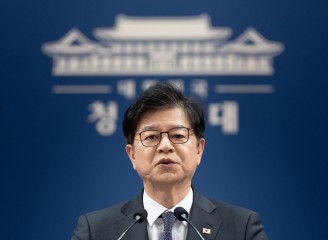
“The Justice Ministry will continue to listen to voices from the field so that immigration and visa policies can respond to changes in Korea’s industrial and demographic structure and help revitalize local economies,” said Justice Minister Jung Sung-ho.
seungku99@heraldcorp.com