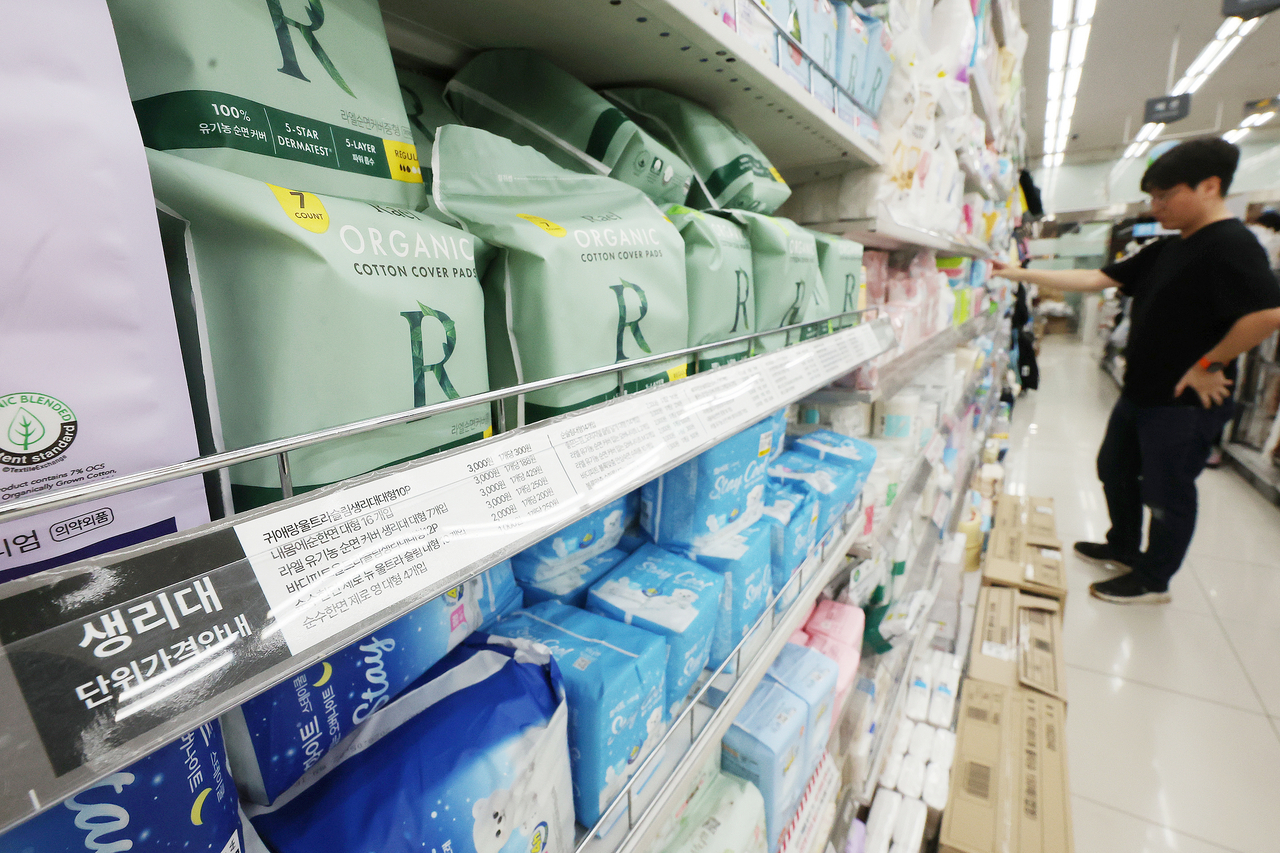
Convenience stores are everywhere in South Korea, offering quick access to snacks, drinks and daily necessities. But they aren't always the cheapest option.
For travelers looking to cut costs, discount chains and supermarket apps offer significantly lower prices on everyday items -- options that are often overlooked by visitors.
No Brand and Daiso
E-Mart, one of the country’s largest discount retailers, launched its budget label No Brand in 2015. The line now includes hundreds of items sold at stores across Korea.
No Brand stores operate nationwide, covering all major regions including Jeju Island. Note that stores labeled “Gwangju” refer to locations in Gwangju, Gyeonggi Province, not the southwestern metropolitan city of the same name.
Store locations, hours and parking information are available on E-Mart’s website by selecting the No Brand category and choosing your region.
For tourists, branches near central areas are easy to access. In Myeong-dong, the closest option is inside Doota Mall near Dongdaemun Station on Subway Line No. 4. Map information on the E-Mart website may be inaccurate, so navigation apps such as Naver Map are recommended. From Hongdae, the nearest store is near Sinchon Station on Subway Line No. 2.
It is also worth noting that prices are generally lowest for No Brand’s own products, while items from other brands sold in No Brand stores are not always discounted.
Another popular budget chain is Daiso, which as of 2023 is fully Korean-owned and no longer linked to Japan's Daiso Sangyo. The chain operates more than 1,600 stores nationwide as of 2025.
While No Brand is competitive in food and beverages, Daiso specializes in low-priced daily necessities such as electronics, tools, stationery, cosmetics and snacks.
Items rarely go over 5,000 won, making it possible to find products such as wireless earphones, USB cables and power banks at that price point.
Quality is not premium, but products are widely considered cost-effective alternatives. For example, two-pack AA or AAA batteries are typically sold for 1,000 won.
Store locations and details can be found on Daiso’s website. Most branches operate year-round, though those inside larger retail complexes may follow the host store’s schedule.
Discount via apps
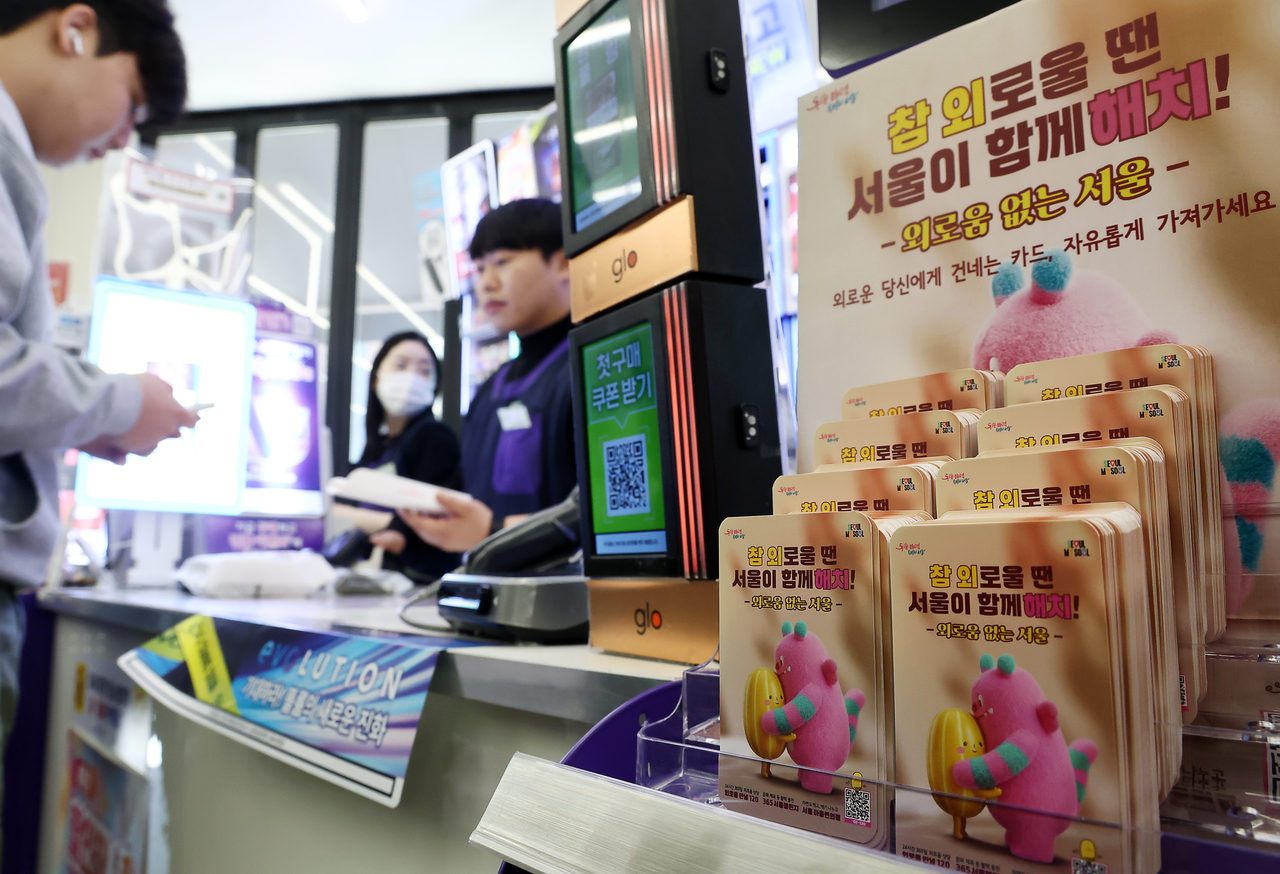
Major discount retailers such as Homeplus, Lotte Mart and Hanaro Mart offer mobile apps with coupons and discounts, including promotions for first-time users. While services such as home delivery may require additional fees or subscriptions, using the apps themselves is generally free.
Convenience store apps also provide coupons and extra discounts, particularly for users of major telecom carriers such as KT and SK Telecom, or payment services such as Naver Pay.
These apps make it easy to track promotions such as buy-one-get-one-free deals, though many require purchasing multiple items to qualify. In some cases, branded products under promotion can be cheaper than items sold at discount chains like No Brand or Daiso.
Promotion details are also available on each convenience store chain’s website. Searching “haengsa sangpum” in Korean along with the store name can help locate current deals.
One feature unique to convenience store apps is the ability to store unused promotional items. For example, if you buy two drinks as part of a promotion but only take one, the remaining item can be saved under your account and collected later.