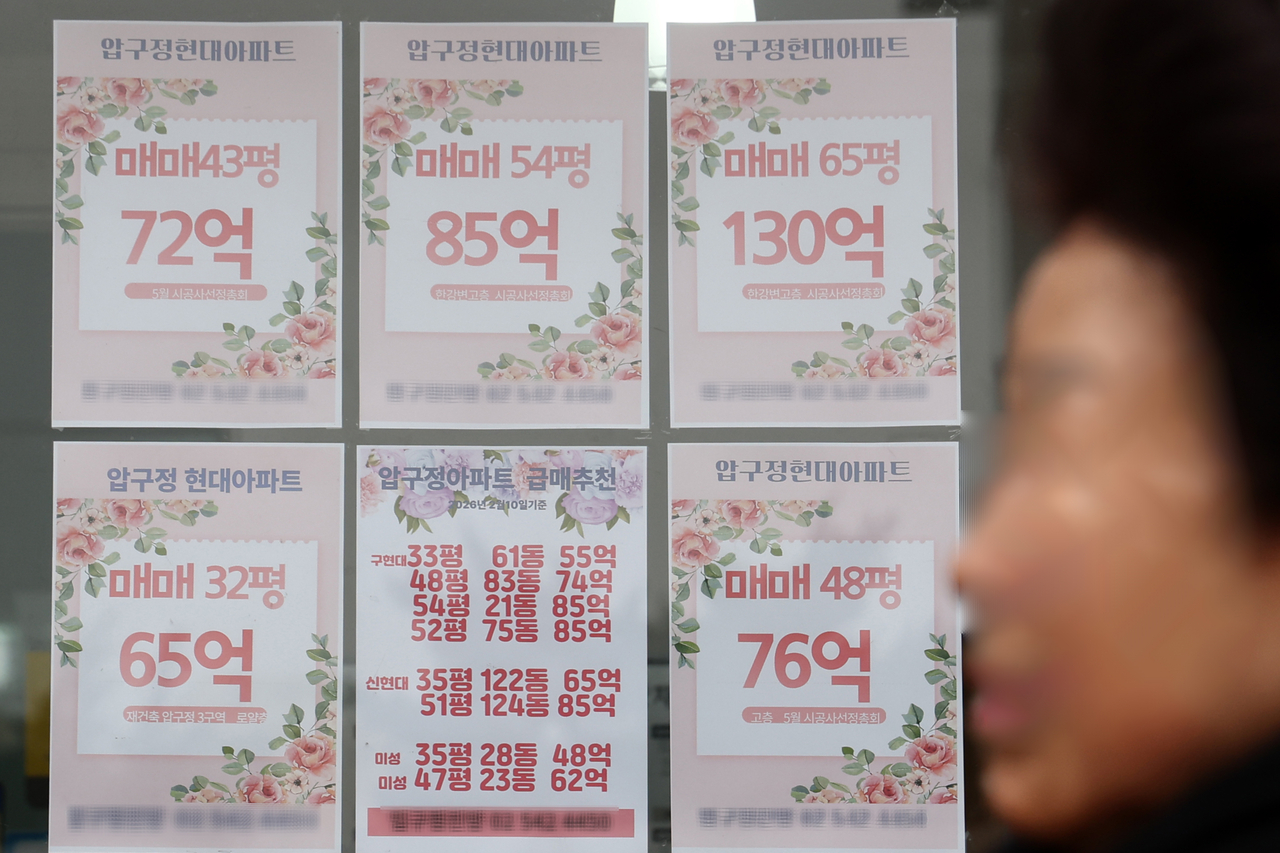
When markets falter, governments often reach first for language. South Korea’s housing market is now being steered largely by words rather than instruments.
시장이 흔들리면 정부는 우선 말을 내세우곤 한다. 한국의 주택시장은 이제 방편보다는 주로 수사에 의해 움직이고 있다.
Over one weekend, President Lee Jae Myung transformed social media into a policy arena, warning that real estate speculation was driving the country toward “national ruin.” The housing market was cast not as a system to be managed, but as a foe to be confronted.
주말사이 이재명 대통령은 부동산 투기가 한국을 "망국"으로 몰아가고 있다고 경고하며 SNS를 정치의 장으로 바꿔놓았다. 주택시장은 관리해야 할 제도가 아니라 맞서 싸울 적으로 묘사되었다.
The display was forceful; it was also fraught.
표현은 강력했고 동시에 불안을 내포했다.
The administration’s chosen deadline is May 9, when the grace period for punitive capital gains taxes on the owners of multiple homes expires. The instruction has been unmistakable. Sell now or face tougher penalties later. What initially seemed verbal guidance to steady expectations has turned into political signaling.
현 정부가 기한으로 삼은 것은 다주택자에게는 징벌적인 양도소득세 중과 유예기간이 끝나는 5월 9일이다. 지침은 분명했다. 지금 팔던지 나중에 더 큰 부담을 지라는 것이다. 처음에는 기대치를 안정시킬 구두 지침처럼 보였던 것이 정치적인 신호를 보내는 것으로 변질되었다.
By recasting housing as a moral contest between the state and alleged offenders, the government repeats a familiar error. Elevated rhetoric substitutes for workable leverage.
주택 문제를 국가와 투기 혐의를 받는 이들 간의 도덕적 경쟁으로 재구성함으로써 정부는 익숙한 잘못을 되풀이하고 있다. 자극적인 수사가 실효성있는 수단을 대신하는 것이다.
Credibility is the first casualty. Housing policy works only when markets believe its authors are bound by the same rules they impose. That confidence is thin. Civic watchdogs report that while the administration publicly urges divestment, more than 20 of the 176 senior officials and 61 of 299 lawmakers remain the owners of multiple homes themselves.
신뢰성이 그 첫번째 희생양이다. 주택 정책은 정책수립자들도 그들이 부과한 규칙을 따를 것이라고 시장이 믿을 때에만 제대로 작동한다. 그러한 믿음은 빈약하다. 시민 감시 단체들은 정부가 대외적으로는 투자를 철회하라고 종용하지만 176명의 고위공직자 중 20명 이상, 299명의 국회의원 중 61명이 다주택 보유자라고 밝혔다.
Their own property values climbed markedly over the past year. The message this sends is clear. When policymakers do not act before their own deadline, the market infers that the threat is rhetorical rather than binding. Regulation then begins to resemble theater instead of discipline.
그들이 보유한 자산가치는 지난해 크게 상승했다. 이것이 전하는 메시지는 분명하다. 당국이 스스로 정해놓은 시한 전에 조치를 취하지 않으면 시장은 위협이 실질적으로 구속성을 갖는 것이라기보다는 수사적인 것이라고 추론할 것이다. 그렇게 되면 규제는 규율을 세우는 것이 아니라 보여주기식으로 비춰지기 시작한다.
The second problem lies in mechanics. South Korea’s housing market is already weighed down by heavy transaction taxes. Acquisition taxes, capital gains taxes and rigid tenancy protections combine to trap supply. Owners who might otherwise sell choose to wait or transfer assets within the family.
두번째 문제는 작동원리에 있다. 한국의 주택시장은 이미 과도한 거래세로 부담을 겪고 있다. 취득세, 양도소득세에 엄격한 임대차보호법이 복합적으로 공급을 어렵게 한다. 주택을 처분하고 싶은 소유자들도 기다리거나 가족 내부적으로 자산을 움직이기를 택한다.
Others streamline holdings into a single high-end apartment, usually in Seoul, intensifying pressure in the very districts policymakers want to cool. This is not reckless speculation, but a predictable response to skewed incentives.
일부는 주로 서울에 위치한 고가의 아파트 1채로 보유주택을 정리한다. 이는 정부가 안정시키고자 하는 바로 그 지역에 압박을 더하는 것이다. 무모한 투기가 아니라 편향된 유인책에 대한 예측가능한 대응이다.
The burden is then pushed outward. Landlords rarely absorb higher taxes; they pass them on. The effect is now plain. Seoul’s monthly apartment rents jumped 8.51 percent in 2025, the sharpest rise since records for the sector began in 2016.
그렇게 되면 부담은 밖으로 분출된다. 집주인들이 높아진 세금을 부담하는 경우는 거의 없다. 부담은 전가된다. 그리고 그 영향은 이제 눈에 보인다. 서울의 아파트 월세는 2025년 8.51퍼센트 상승해 관련 통계를 집계하기 시작한 2016년 이후 최고 상승률을 기록했다.
As long-standing leases expire under tenancy rules, previously suppressed rents are resetting abruptly higher. For tenants, especially younger households, moral arguments about fairness offer little relief from rising monthly bills.
임대차법 하 기존 전세 계약들이 만료되면서 그간 억눌려 있던 월세가 급등하고 있다. 세입자, 특히 젊은 가구들에 있어 공정성에 대한 도덕적 논쟁은 상승하고 있는 월세에 그다지 도움이 되지 않는다.
Supply, the standard remedy, has also slipped into abstraction. The government’s plan announced Thursday to add 60,000 homes in the capital region was quickly met by a counterproposal from the opposition and city of Seoul more than five times larger. The contest over numbers has steadied no one.
통상적인 해결책인 공급 역시 관념에 불과해졌다. 목요일 정부가 발표한 수도권내 6만 가구 추가 계획에 야당과 서울시는 즉각 5배가 넘는 수치를 담은 반대안을 내놓았다. 숫자 싸움은 누구의 불안도 가라앉히지 못했다.
Housing markets do not respond to distant totals. They respond to schedules that can be trusted. Construction start dates, regulatory certainty and infrastructure plans matter more than headline figures. Without them, future supply remains theoretical, and so are unable to ease present anxiety.
주택 시장은 먼 미래의 총합에 반응하지 않는다. 신뢰할 수 있는 계획에 반응한다. 준공시작일, 규제의 확실성, 인프라 계획이 표면적인 수치보다 더 중요하다. 이것이 갖추어지지 않는다면 미래의 공급은 이론에 불과하며 따라서 작금의 불안을 완화시킬 수 없다.
The deeper imbalance lies beyond Seoul. As long as opportunity, education and status remain tightly concentrated in the capital, housing demand will remain structurally distorted. Any serious response must therefore include measures to revive underdeveloped regional property markets beyond the Seoul metropolitan area.
더욱 심각한 불균형은 지방에 있다. 기회, 교육, 사회적 지위가 수도에 집중되어 있는 한 주택 수요는 구조적으로 왜곡된 채로 남아있을 것이다. 따라서 이에 진지하게 대응하려면 수도권을 넘어 낙후된 지방 부동산 시장을 되살릴 방책 마련이 필수다.
Building viable economic and educational hubs outside Seoul is not aspirational language. It is a precondition for lasting stability. Such a shift requires policy continuity that survives elections rather than resets with each administration.
서울이 아닌 곳에 실효성있는 경제 및 교육 허브를 조성하는 것은 이상적인 수사가 아니다. 지속성있는 안정을 위한 전제조건이다. 그러한 전환에 필요한 것은 정권이 바뀔 때마다 뒤집히는 것이 아니라 선거 결과에 휘둘리지 않고 지속되는 정책이다.
Housing is not a moral drama, but an economic system shaped by supply, demand, interest rates and expectations. When administrations frame the market as an adversary, they often undermine their own objectives.
주택은 선악을 가르는 드라마가 아니라 수요, 공급, 이자율, 기대치에 따라 형성되는 경제 체계다. 정부가 시장을 적대시한다면 스스로의 목적을 저해하는 경우가 많다.
Durable stability will come from predictability, not pressure. Lowering barriers to buying and selling, restoring consistency and aligning official conduct with official claims would do more to normalize conditions than President Lee’s online ultimatum.
장기적인 안정은 압박이 아니라 예측가능성으로부터 나올 것이다. 매매의 장벽을 낮추고 일관성을 회복시키고 공적 행위와 주장을 일치시키는 것이 이 대통령이 온라인상으로 최후통첩을 내리는 것보다 상황을 정상화시키는데 도움이 될 것이다.
In housing, as elsewhere, restraint is more effective than rhetoric.
주택 문제에 있어서도 역시 말보다는 자제가 효과적이다.
falter 흔들리다
speculation 투기
fraught 걱정스러운
grace period 유예 기간
punitive 징벌적인
divestment 투자 철회
infer 추론하다
skewed 왜곡된, 편향된
abstraction 관념, 추상
adversary 상대방
khnews@heraldcorp.com