
SEJONG — A surge in oil prices triggered by the war involving Iran could deal a significant blow to the South Korean economy if the rally persists, given the country’s heavy reliance on Middle Eastern crude oil, a state-run research institute warned Monday.
The Korea Institute for Industrial Economics and Trade said it may need to revise down its economic growth forecast of 1.9 to 2 percent for this year if oil prices continue to rise and push up production costs in the coming months.
“Geopolitical risks in the Middle East are likely to affect the Korean economy by increasing volatility in the global energy supply chain and driving oil prices higher,” said Hong Sung-wook, an analyst at the institute, during a press briefing.
According to KIET’s analysis, a 10 percent increase in oil prices from current levels would raise production costs in Korea’s manufacturing sector by an average of 0.71 percent. Petrochemical and rubber-plastic industries are expected to face the greatest impact.
Prices of Dubai crude have surged roughly 40 percent, rising from around $72 before the outbreak of the conflict to about $103 during the final week of February.
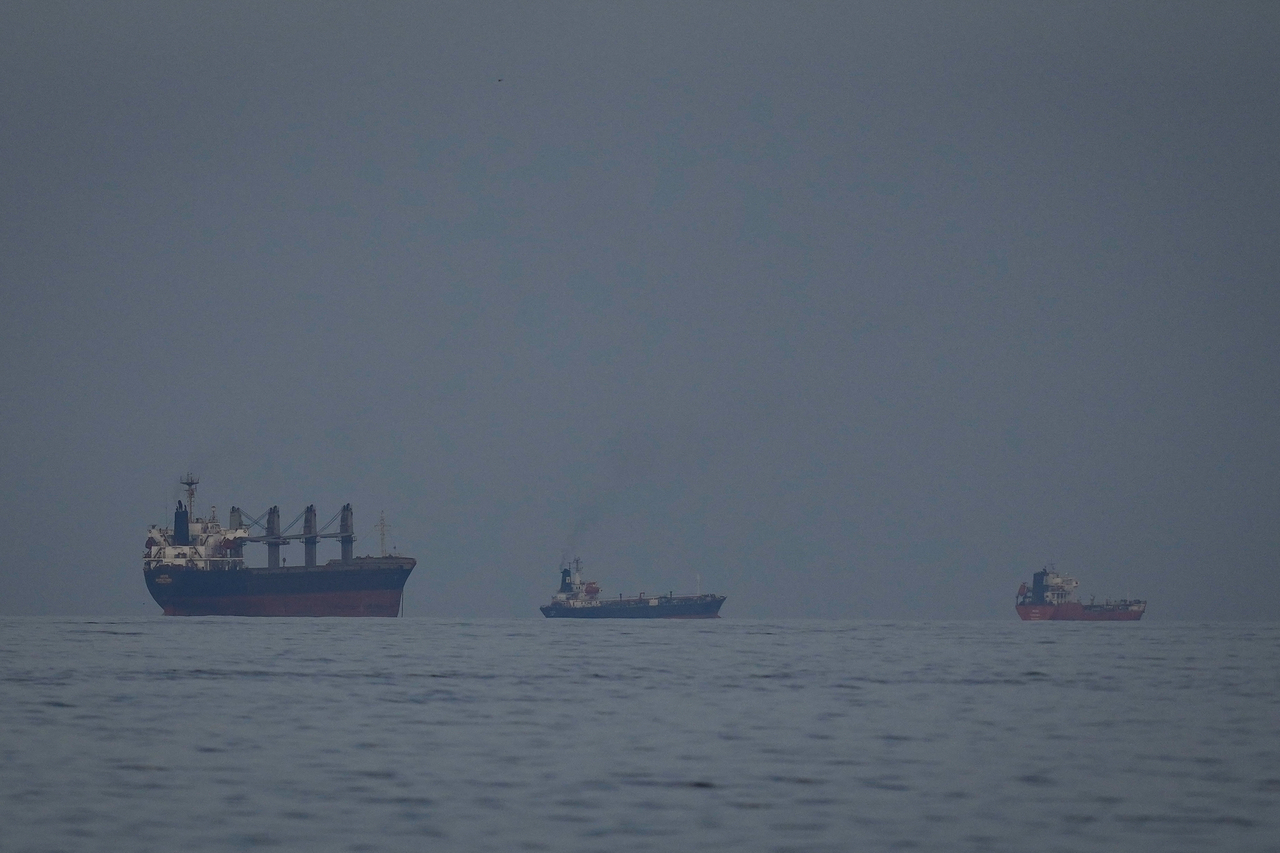
South Korea imports about 70 percent of its crude oil from the Middle East, most of which passes through the Strait of Hormuz, making the country particularly vulnerable to disruptions in the region.
While the direct impact on exports is expected to remain limited for now, KIET said broader economic effects could intensify if energy prices remain elevated.
Korea’s export volumes have continued to grow for five consecutive years, reaching $20.4 billion in 2025, up 3.8 percent from a year earlier. Shipments to the Middle East account for only about 2 to 3 percent of Korea’s total exports, suggesting the conflict’s immediate trade impact may be modest.
However, any disruption in the Strait of Hormuz could strain global logistics networks, raising shipping costs and delaying energy supplies, Hong said.
“Korea is highly dependent on the Middle East for both crude oil and LNG (liquefied natural gas),” Hong said. “The government should consider supply stabilization measures, including diversifying energy sources and utilizing strategic oil reserves.”
Hong also warned that a prolonged oil price rally could heighten the risk of stagflation, as higher energy costs fuel inflation while slowing global economic growth.
Potential delays in major projects underway in the region — including Saudi Arabia’s Neom city development and the United Arab Emirates’ Stargate initiative for AI data centers — could also weigh on Korean companies seeking to participate in the developments and secure new contracts.
herim@heraldcorp.com