The National Museum of Korea has reopened its calligraphy space, with the renovated galleries showcasing masterpieces of Korean calligraphy.
The space will run both permanent and thematic exhibitions.
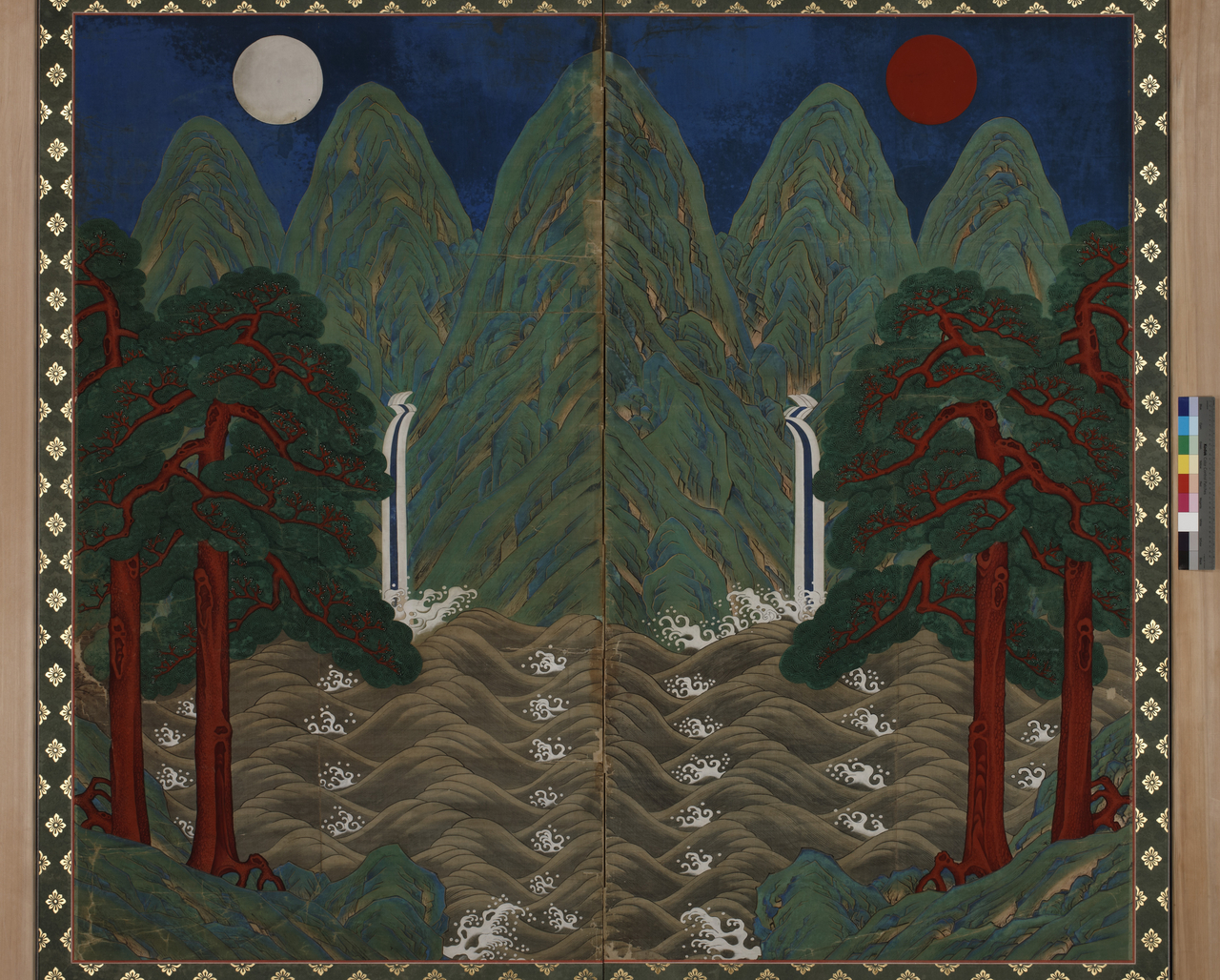
The gallery, which opened on Thursday on the second floor, presents the thematic exhibition “Jeong Seon: Ah! Our Mountains and Rivers!” coinciding with the reopening of the space, showing 70 works including 10 designated treasures, created by Korean landscape painter Jeong Seon (1676-1759).
The exhibition marks the 350th anniversary of the master’s birth.
“Over 70 years, I wore down 10 inkstones and used up more than 1,000 brushes,” Kim’s quote is on display at the entrance to the exhibition, with an inkstone and brush he used being on display.
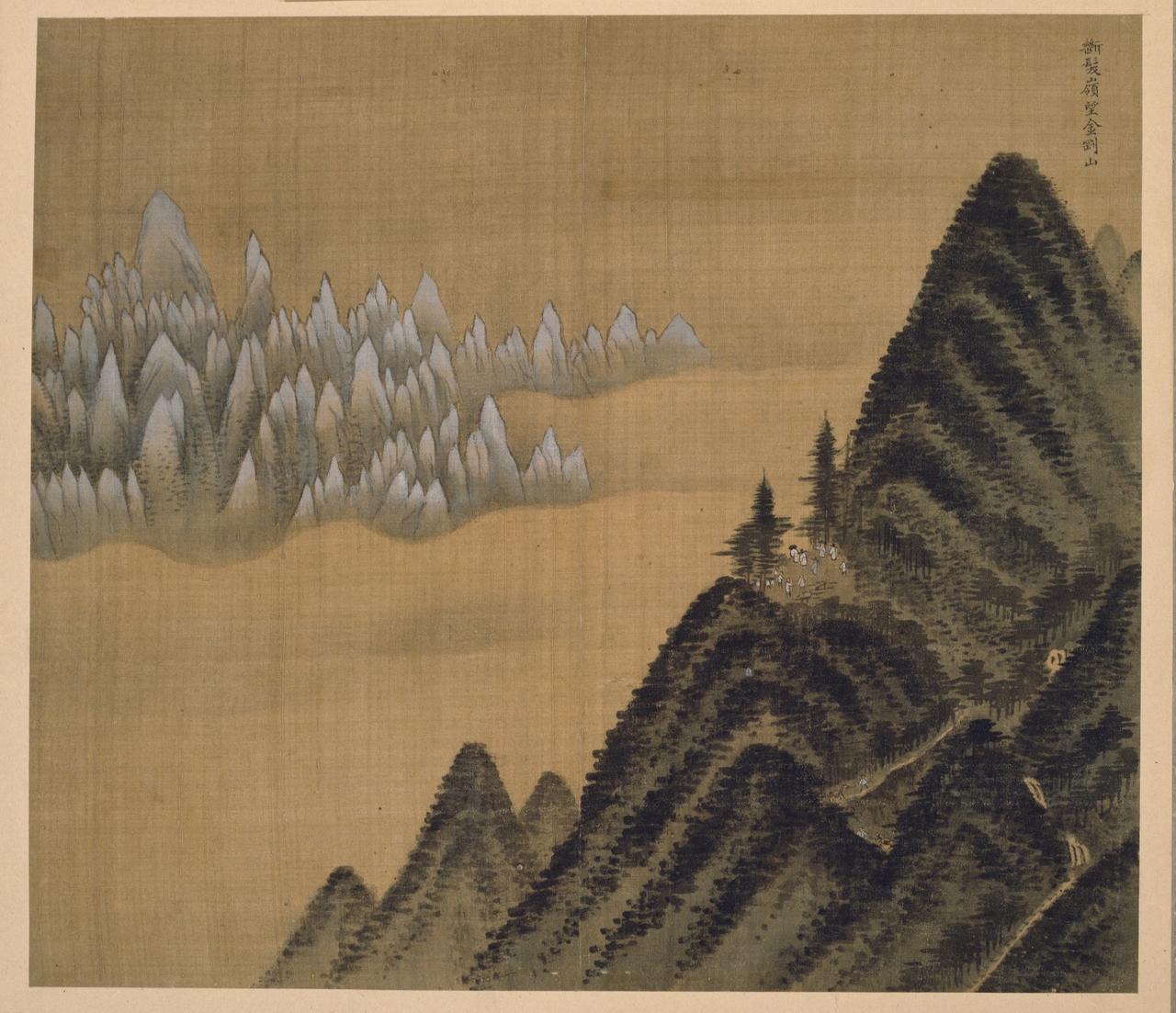
The highlight of the show is “Geumgangsan Mountain Seen from Danballyeong Pass" created by Jeong Seon, designated treasure, at the age of 36 in 1711 while traveling to Mount Geumgang with his friends. The 13 paintings he created during that time were arranged into an album.
Following Jeong Seon's exhibition, the museum will show the following three thematic exhibitions this year at gallery three, which will be solely dedicated to thematic shows, shedding light on calligraphy masters in Korean history. The calligraphy space consists of four galleries with other spaces presenting permanent exhibitions.
The renovations combined a restrained aesthetic with a contemporary design and introduced multisensory elements, allowing visitors to engage through touch and sound, according to the state museum.
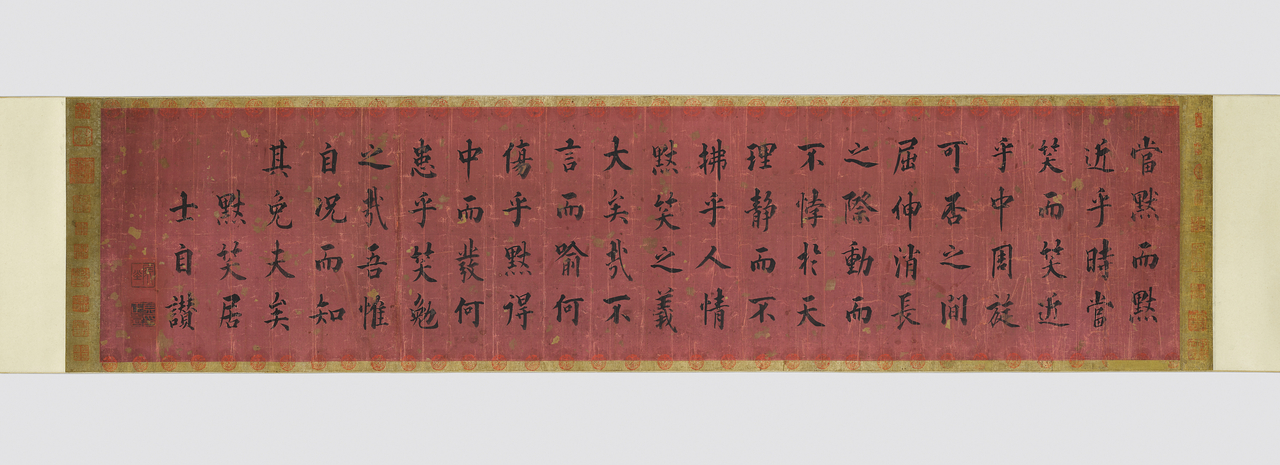
Among the calligraphy on display is "Self-Praise of Mukso Geosa," written by Korean calligraphy master Kim Jeong-hui (1786–1856) for his longtime friend Kim Yu-geun (1785–1840) on red decorative paper.
The text reflects Kim Yu-geun’s pen name, which means “to remain silent when words are needed and to smile when it is time to smile.”
“We hope visitors will rediscover the value and beauty of Korean painting and calligraphy at the newly reopened gallery,” said NMK director You Hong-jun.
A special lecture by the director on Jeong Seon’s life and art will take place on March 10 at the museum with pre-registration starting March 3 on the museum’s website.
yunapark@heraldcorp.com


