
March meeting seen as key test of investor sentiment, with board seats likely to decide control
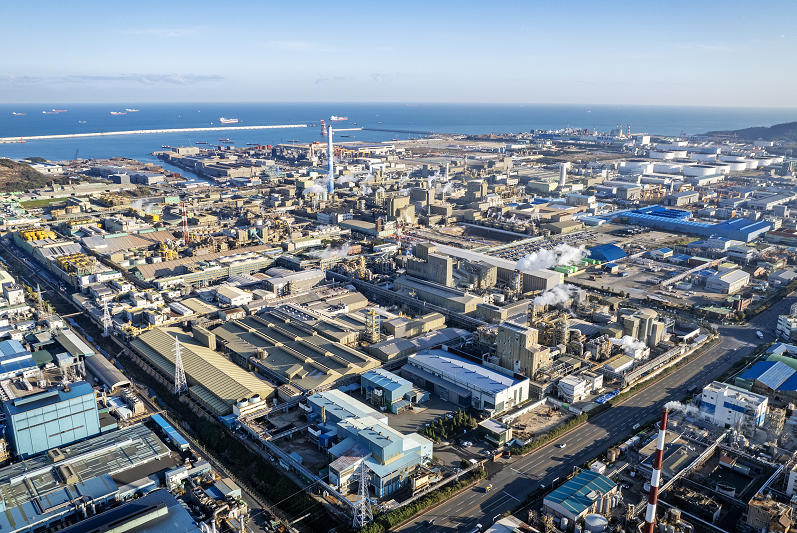
A widening earnings gap between Korea Zinc and Young Poong is emerging as a key variable ahead of a pivotal shareholder vote next month, where both sides will battle for greater control over the world’s leading zinc smelter.
Korea Zinc, led by Chair Choi Yun-beom, posted record earnings last year. Young Poong — Korea Zinc’s largest shareholder alongside private equity firm MBK Partners — reported deepening losses.
Industry observers say the stark financial contrast could shape investor sentiment ahead of the March 24 general meeting, as the Young Poong-MBK coalition intensifies its challenge to Choi’s leadership.
In a regulatory filing, Korea Zinc said 2025 revenue rose 37.6 percent on-year to 16.58 trillion won ($11.46 billion), while operating profit jumped 70.3 percent to 1.23 trillion won — both record highs. The company attributed the performance to surging gold and silver prices and robust demand for critical metals used in semiconductors, artificial intelligence and defense.
By contrast, Young Poong reported an operating loss of 259.2 billion won, widening from a 160.7 billion won loss a year earlier and marking its third consecutive year in the red. Its performance was weighed down by a 58-day shutdown of its Seokpo smelter from late February to late April following environmental violations, including wastewater discharge issues.
Korea Zinc’s management is expected to highlight its earnings momentum and long-term growth strategy — including a planned $7.4 billion US smelting facility — as evidence of its ability to enhance shareholder value. Young Poong and MBK, meanwhile, have framed their campaign around governance reform, calling for greater transparency and accountability.
The Young Poong-MBK alliance controls roughly 46 percent of Korea Zinc’s shares and has been contesting Choi’s authority since launching a tender offer in September 2024.
The March vote is widely viewed as a referendum on both performance and governance.
“The general meeting will serve as a critical gauge of investor sentiment, as shareholders weigh financial results, governance proposals and long-term strategy,” an industry source said. “Institutional investors, including the National Pension Service and foreign shareholders, are likely to be decisive.”
Board appointments are expected to be the most contested agenda item.
Terms for six directors — including Choi — expire in March. Of the current 19 board seats, four are suspended, leaving 15 active members: 11 aligned with Choi and four with the Young Poong-MBK side. Once the six terms end, the balance would shift to six directors aligned with Choi and three with Young Poong, before new appointments are made.
Choi’s camp has proposed filling only five of the six seats and nominated three candidates: Choi himself, the board's Chair Hwang Deok-nam and Walter Field McLallen, backed by Crucible JV, a joint venture between Korea Zinc and the US government tied to its planned US smelter.
By limiting nominees, Choi’s faction appears to be leveraging cumulative voting rules, enabling allied shareholders to concentrate votes and improve the odds of securing board control.
The Young Poong-MBK alliance, in contrast, proposed filling all six seats and nominated five candidates, including MBK partner Choi Yon-sog — a move aimed at capturing at least two or three seats and shifting board influence.
sahn@heraldcorp.com