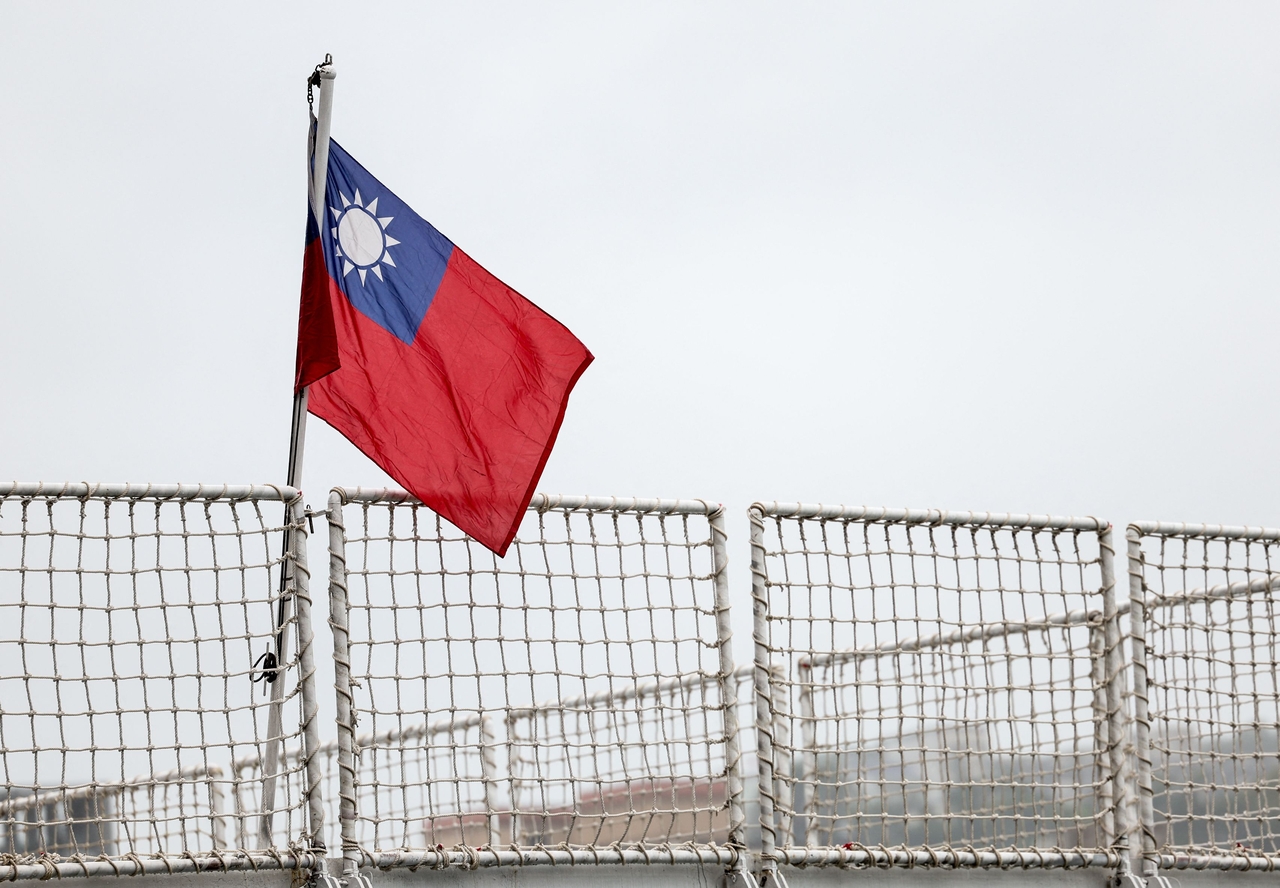
For much of this century, South Korea treated its income lead over Taiwan as quiet confirmation that its economic model worked better. The margin was never dramatic, but it endured. In 2025, it disappeared.
이번 세기의 오랜 기간동안 한국은 대만보다 높은 소득이 자국의 경제 모델이 더 낫다는 것을 조용히 방증하는 것이라고 생각해왔다. 차이가 컸던 적은 없었지만 그 차이는 꾸준히 지켜져왔다. 그러나 2025년 격차는 사라졌다.
After 22 years, Korea’s per capita GDP slipped below Taiwan’s, turning an assumed hierarchy into a revealing inflection point.
22년만에 한국은 대만보다 낮은 1인당 국내총생산을 기록했고 우위를 점했다고 여겼던 체계는 많은 것을 보여주는 변곡점을 드러냈다.
The figures are unambiguous. Korea’s per capita GDP in 2025 is estimated at about $36,107, down roughly 0.3 percent from the year before. Taiwan’s rose to around $38,748, reclaiming a position it last held in 2003.
수치는 뚜렷하다. 한국의 2025년 1인당 국민소득은 전년 대비 약 0.3퍼센트 낮아진 약 3만6107달러로 추정된다. 대만은 약 3만8748달러로 상승해 2003년 이후 처음으로 다시 한국을 앞섰다.
Projections suggest Taiwan will cross the $40,000 threshold as early as 2026, while Korea remains lodged in the $30,000 range it entered more than a decade ago. This is not a momentary distortion but a shift with direction.
대만은 이르면 2026년 4만달러 선을 넘을 것이라는 예측이다. 반면 한국은 10년도 전에 진입한 3만달러대에 갇혀있다. 이는 일시적인 왜곡이 아니라 방향을 가진 변화다.
At first glance, the explanation appears technical. The won weakened sharply, averaging above 1,400 won to the US dollar, compressing dollar-denominated income. Growth slowed to around 1 percent, its weakest performance since the pandemic shock.
일견 원인은 기술적인 데 있는 것처럼 보인다. 원화는 급격히 약세를 보여 달러당 1400원대를 넘는 평균치를 기록해 달러로 표기되는 소득 지표를 낮췄다. 성장률은 코로나19 판데믹로 인한 충격 이후 최저치인 1퍼센트 수준에 그쳤다.
But currencies and cycles rarely tell the full story. Sustained currency weakness reflects diminished confidence, and Korea’s slowdown has now stretched across four consecutive years of growth below 3 percent. What initially looks cyclical increasingly signals structural strain.
그러나 환율과 사이클만으로 전체를 설명하기는 어렵다. 지속되는 원화 약세는 신뢰가 줄어들었다는 것을 보여준다. 한국의 저성장은 4년 연속 이어져 3퍼센트에 못미치는 성장세를 보였다. 당초 일시적으로 보였던 상황은 점차 구조적인 어려움을 시사한다.
That strain is clearest in the so-called “$30,000 trap.” Korea reached that level in 2014 and has failed to break free since. Comparable advanced economies with populations above 50 million moved from $30,000 to $40,000 in three to five years. Taiwan did so in roughly five. Korea is now nearing its thirteenth year at the same altitude.
소위 "3만 달러의 덫"에서 그 어려움은 가장 명확히 보인다. 한국은 2014년 3만 달러 선을 넘었으나 이후 이를 3만 달러대를 벗어나지는 못했다. 비교대상이 될 만한 인구 5천만 이상의 선진경제국가들은 3-5년 사이에 3만 달러대에서 4만 달러대로 나아갔다. 대만은 약 5년만에 성공했다. 한국은 같은 수준에 머문지 이제 13년이 되어간다.
The challenge, then, is no longer catching up with richer Western economies. It is losing ground to regional peers that have learned how to translate industrial capacity into durable income gains.
그렇다면 한국의 과제는 더이상 앞서있는 서구 국가들을 따라잡는 것이 아니다. 산업 역량을 꾸준한 소득 상승으로 전환하는 방법을 깨우친 지역내 경쟁국들에게 밀려나고 있다.
The won’s weakness matters, but it also masks a sharper imbalance. Korea’s economy has become distinctly K-shaped, with a small group of global exporters, led by Samsung Electronics and SK hynix, riding the chip cycle with record profits. Large parts of the domestic economy, especially services and small and midsize firms, trail behind. Productivity gains are no longer spread widely, and income growth feels distant to many households.
원화의 약세도 중요하지만 이는 더 분명한 불균형을 감추고 있기도 하다. 한국경제는 K자형 성장을 뚜렷하게 보여왔다. 삼성전자와 SK하이닉스가 선도하는 소수의 글로벌 수출기업들이 반도체 호조를 누리며 기록적인 실적을 올렸다. 그러나 국내 산업의 대다수, 특히 서비스업계와 중소기업들은 한참 뒤에 처져 있다. 생산성 향상은 더이상 넓게 분배되지 않고 많은 가계들에게 소득 성장은 먼 이야기로 들린다.
Taiwan’s advance is likewise semiconductor-driven, but the surrounding policy environment has been more deliberately aligned. For more than a decade, Taipei removed obstacles rather than adding conditions. Power supply, water access, labor flexibility and tax policy were adjusted with unusual consistency. When the global AI boom arrived, Taiwan had already synchronized capacity and confidence.
대만의 성장 또한 반도체가 주도하고 있지만 이를 둘러싼 정책적 환경은 좀더 제대로 갖춰져 있다. 10년 넘게 대만은 규제를 더하기보다 장애물을 제거해왔다. 전력공급, 용수, 근로유연성, 세제 정책을 조정해 이례적인 일관성을 갖추었다. 세계적으로 AI 붐이 일게 되었을 때 대만은 이미 역량과 자신감 모두 준비된 상태였다.
Seoul’s approach has been less coherent. Strategic industries are championed rhetorically, but core frictions persist. The 52-hour workweek rule still constrains high-tech production. Industrial relocations provoke political resistance. Regulatory reform proceeds in fragments.
한국의 접근법은 그만한 일관성을 갖지 못했다. 전략적인 산업은 미사여구로 내세워지지만 핵심의 갈등은 계속된다. 주 52시간 노동상한제는 여전히 하이테크 분야의 생산성을 옭아매고 있다. 기업들의 이전은 정치적인 반발을 불러일으킨다. 규제개혁은 단편적으로 진행중이다.
The government’s response reflects this imbalance. Seoul has set a 2 percent growth target for 2026 and unveiled a record budget of 727.9 trillion won ($494 billion). Fiscal support may soften the slowdown, but it cannot replace reform. Such stimulus may lift activity briefly, but it cannot raise potential growth in an economy bound by rigid labor rules.
정부의 반응은 이러한 불균형을 반영한다. 한국은 2026년 성장률 목표치를 2퍼센트로 상정하고 727조 9천억원의 역대 최대 규모 예산을 발표했다. 재정적인 지원은 저성장을 완화시킬 수 있을지 몰라도 규제를 대신할 수는 없다. 부양책은 일시적인 자극이 되줄 수는 있지만 엄격한 노동법에 발이 묶인 국가경제의 잠재적 성장률을 높여주지는 못한다.
This trajectory is not fixed. Demographics and aging are real constraints, but they do not seal outcomes. Productivity remains the variable that prudent policy can still reconfigure. Clearing barriers to scale, modernizing labor markets, and aligning regulation with industrial strategy would do more for long-term income growth than another round of spending promises.
이러한 궤도는 수정가능하다. 인구통계와 고령화는 실질적인 제약이기는 하나 산출을 결정짓지는 않는다. 신중한 정책으로 생산성이라는 변수는 아직 변경할 수 있다. 또한번 정부 지출을 약속하는 것보다 규모를 키우는데 방해가 되는 요소를 제거하고 노동시장을 현대화하고 산업전략에 맞추어 규제를 조정하는 것이 장기적인 소득 성장에 더 많은 도움이 될 것이다.
The reversal with Taiwan should not be cast as wounded pride. It is a diagnostic signal that Korea’s challenge has shifted from ambition to execution. Remaining stuck at $30,000 would mean managing a legacy rather than pioneering a new frontier.
대만과 역전된 상황을 자존심에 상처를 입은 것으로 취급해서는 안된다. 이는 한국이 해야할 일이 높은 목표를 갖는 것이 아니라 실행으로 바뀌었다는 것을 보여주는 진단이다. 3만 달러대에서 벗어나지 못한다는 것은 새로운 길을 개척해나가는 것이 아니라 한국의 유산을 관리해가는 것을 뜻한다.
Escaping that ceiling will require less rhetoric and more institutional resolve. The time for action is now, not after the next comparison delivers the same verdict.
이 한계를 벗어나는 데는 화려한 말이 아니라 제도적인 의지가 필요하다. 다음번에도 똑같은 내용으로 비교된 후가 아니라 지금이 행동할 때이다.
per capita 1인당
inflection point 변곡점
projection 예상, 추정
denominated 표기된
altitude 고도
align 발맞추다
synchronize 동시에 움직이다
rhetorically 과장되게, 미사여구로
trajectory 궤도
demographics 인구통계
reconfigure 변경하다
khnews@heraldcorp.com