South Korea has one of the lowest crime rates among industrialized countries, although it's higher than in the past. Just 0.6 homicides per 100,000 people were reported in 2024, according to the official government tally.
But a low crime rate does not mean no crime -- there were 2,118 crimes per 100,000 people in that year. It is prudent to be on alert against victimization, particularly when staying in a foreign country.
Police investigation
The first step is to call the 112 police hotline or 119 emergency services to request help. If you are not fluent in Korean, ask for an interpreter during the emergency response and for any subsequent court proceedings.
As a victim of a crime, you will be required to testify to police and possibly in court. As covered previously in "Run-ins with the law ― dos and don'ts," everyone on Korean soil has the right to a fair investigation and trial, which includes free interpretation.
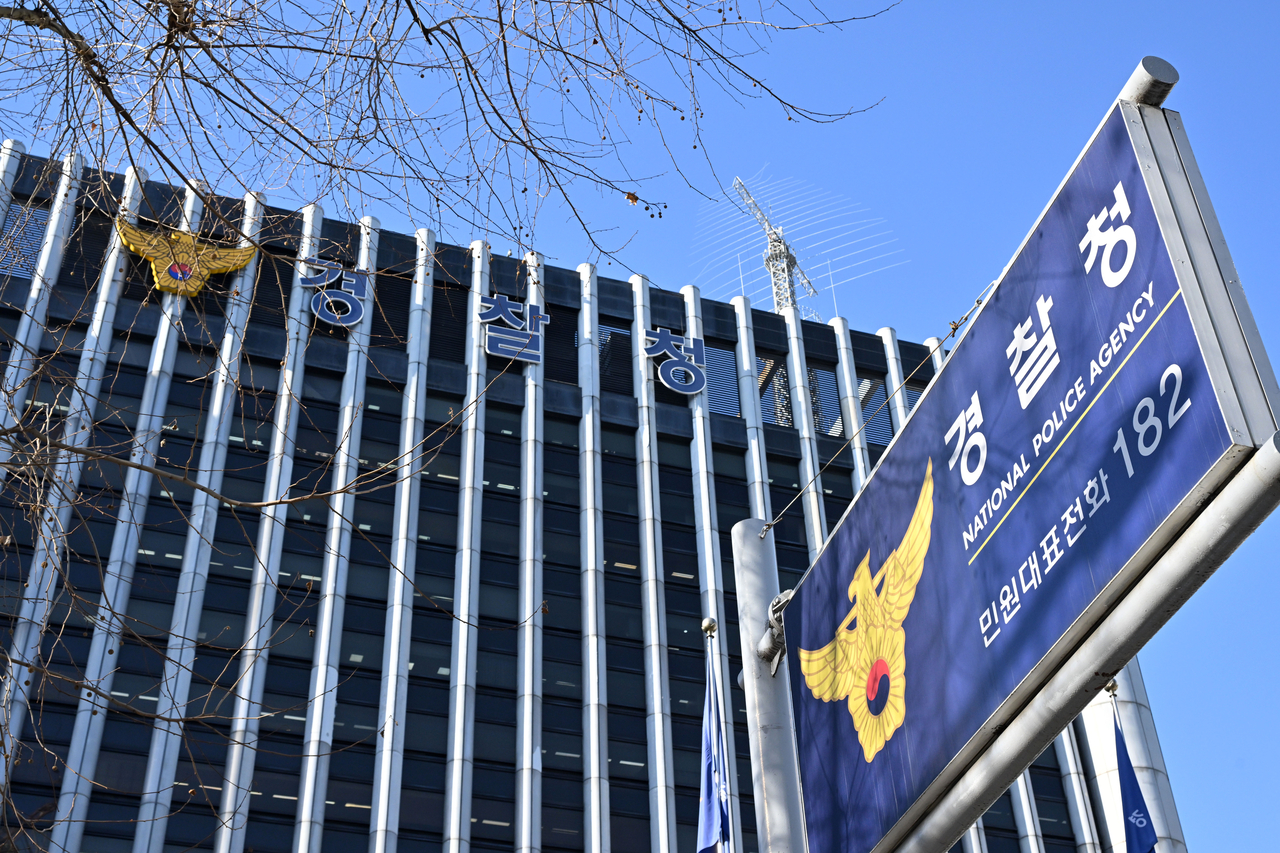
The National Police Agency currently has 4,375 registered interpreters and may also outsource interpretation to private providers. If your Korean is limited, avoid attempting to explain complex details on your own and insist on interpretation to ensure accuracy.
As in other jurisdictions, make sure your testimony is clear and consistent. There have been cases in which victims faced disadvantages due to ambiguous or imprecise wording in official records.
In cases involving sexual offenses, avoid phrases such as “I just did nothing,” “I don’t remember,” or “We were fooling around,” as these statements could be interpreted in official records as “I consented,” “My testimony lacks credibility,” or “It was not harassment.” Victim testimony is often a central piece of evidence in such cases.
Be explicit that you actively resisted and clearly stated that the act was an assault. Defendants frequently argue that the encounter was consensual.
Even if you cannot recall every detail, note that perjury under Korean law is defined as knowingly giving testimony that contradicts one’s actual memory; it does not include simple mistakes or gaps in recollection.
You should not exaggerate or fabricate facts. However, avoid speculative language such as “I may have been mistaken,” as this may later be used to challenge your credibility.
Police records serve as key evidence in court, and statements cannot be withdrawn or deleted without substantial justification. Any change in testimony requires solid supporting grounds.
Supreme Court precedents hold that a witness who knowingly provides testimony inconsistent with his or her memory may be deemed to have committed perjury.
Be specific, consistent and truthful. Clearly distinguish between what you remember and what you do not. If possible, consult a lawyer qualified in Korean law before giving formal statements to investigators.