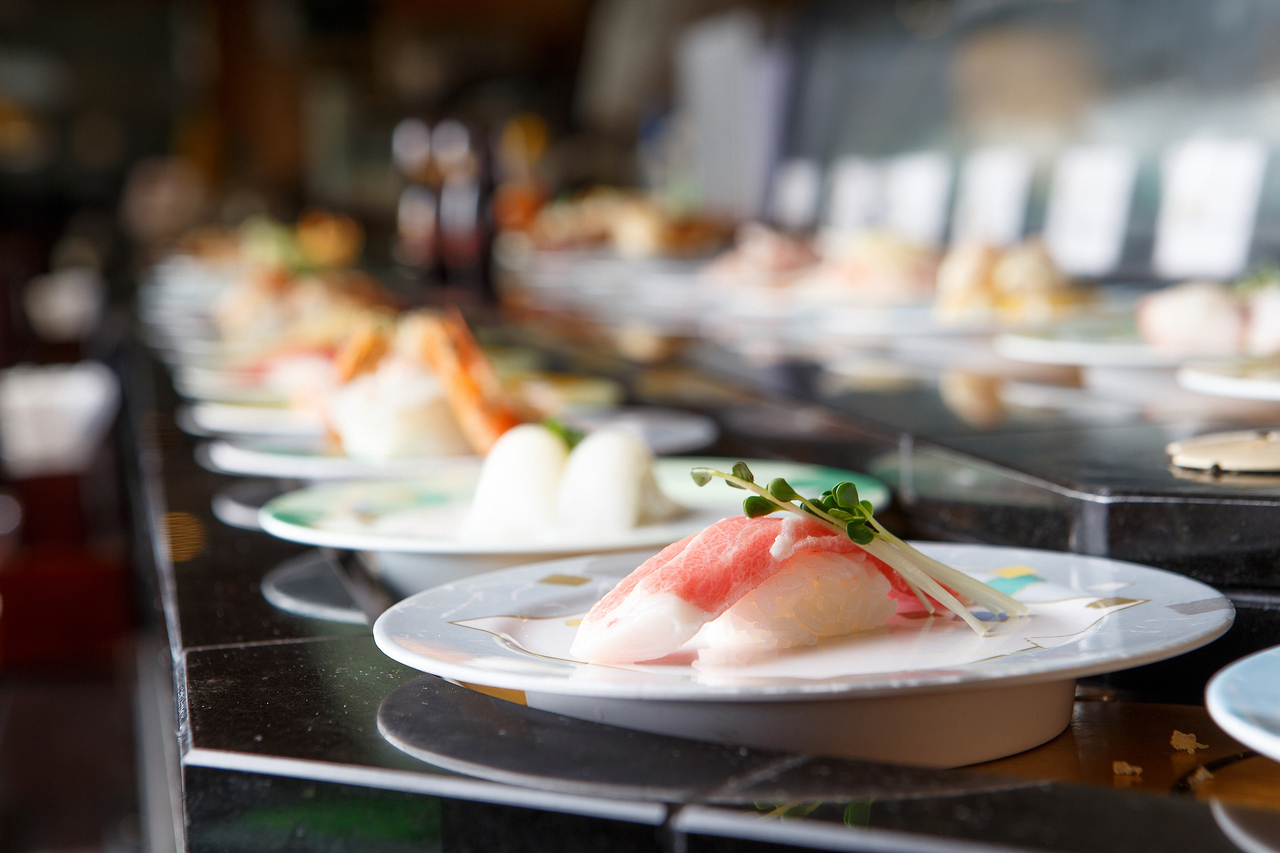
Imagine you're at a conveyor-belt sushi bar. A customer next to you keeps grabbing the same one or two types of fish, plate after plate. Is that bad manners? Is there an unspoken rule about variety and what to take in these types of restaurants?
회전초밥집에 앉아 있다고 가정해보자. 옆자리 손님이 같은 생선 두세 종류만 접시마다 계속 집어 간다면 이는 무례한 행동일까? 이런 식당에는 다양한 메뉴를 골라야 한다는 암묵적인 규칙이 존재하는 걸까?
Social media is abuzz in South Korea after a group of four was refused future service at a Seoul sushi joint after eating 30 plates of just two types of fish.
서울의 한 초밥집에서 네 명으로 구성된 손님 일행이 특정 생선 두 종류만 30접시를 먹은 뒤 재방문을 거절당한 사실이 알려지면서 국내 소셜미디어가 들썩이고 있다.
According to local reports, the group placed bulk orders for 20 plates of flounder sushi and 10 plates of salmon, while also gobbling up other sushi options, including eel and tuna, circulating on the belt.
현지 보도에 따르면 해당 일행은 광어 초밥 20접시와 연어 초밥 10접시를 한꺼번에 주문했으며, 회전 레일을 따라 제공되던 장어와 참치 등 다른 초밥도 함께 먹은 것으로 전해졌다.
The issue arose as the group went to pay their bill. After informing them of the total, the restaurant owner asked them not to return, citing the difficulty of providing large amounts of a particular fish, as sushi restaurants that use conveyor belts are designed to prepare a wide variety of sushi quickly.
문제는 계산 과정에서 불거졌다. 총 금액을 알린 뒤 업주는 특정 생선을 대량으로 제공하는 데 어려움이 있다며 재방문을 삼아달라고 요청했다. 회전초밥집은 다양한 초밥을 신속하게 제공하도록 설계된 업종이라는 이유에서다.
The owner added that such behavior could undermine the profitability of a business that depends on selling items at various price points.
업주는 이 같은 주문 방식이 다양한 가격대의 메뉴 판매를 전제로 하는 업장의 수익성을 해칠 수 있다고 덧붙였다.
The group objected to the ban, telling the owner he could have simply asked them to order other items. The owner, however, remained firm, responding that they should dine elsewhere in the future, the reports said.
이에 손님들은 다른 메뉴를 주문해 달라고 요청하면 될 일이었다며 반발했지만, 업주는 입장을 굽히지 않고 향후에는 다른 곳을 이용해 달라고 말했다고 보도는 전했다.
Online users were divided, with some arguing that customers who plan to order only specific types of fish should go to a conventional sushi restaurant instead.
온라인상에서는 의견이 엇갈렸으며, 일부는 특정 생선만 먹을 계획이라면 일반 초밥집을 이용하는 것이 맞다고 주장했다.
"Conveyor belt sushi restaurants offer a wide range of fish at different costs, and ordering large amounts of a single fish could prevent others from enjoying it," one user wrote in an online community for self-employed business owners.
한 자영업자 온라인 커뮤니티 이용자는 “회전초밥집은 가격대가 다양한 생선을 제공하는 곳인데, 한 가지 생선을 대량으로 주문하면 다른 손님들이 즐길 기회를 빼앗을 수 있다”고 적었다.
But others took issue with how the owner handled the situation.
반면 업주의 대응 방식이 과했다는 지적도 나왔다.
"The customers made time to come to the place, and there appeared to be an aged person among them. Treating them like troublemakers over a small loss is ridiculous," one user wrote.
또 다른 이용자는 “손님들은 시간을 내 방문했고, 일행 중에는 고령자도 있었던 것으로 보인다”며 “소소한 손해를 이유로 문제 인물 취급하는 것은 부당하다”고 했다.
"I understand the profit issue if people only order certain types of sushi (with low margin), but most customers probably don't know that. The owner could've just explained it," another user commented. "Telling them not to come back right away was just too much."
다른 댓글에서는 “수익성이 낮은 초밥만 주문하면 문제가 될 수 있다는 점은 이해하지만, 대부분의 손님은 이를 알지 못한다”며 “설명만 했어도 됐을 일을 곧바로 출입을 금지한 것은 지나쳤다”는 반응이 나왔다.
Tip
1. unspoken — 말로 드러나지 않은, 암묵적인
2. abuzz — (소문, 화제로) 떠들썩한
3. bulk — 대량의
4. gobbling — 허겁지겁 먹는
5. undermine — 약화시키다, 해치다
6. profitability — 수익성
7. firm — 단호한, 확고한
8. conventional — 전통적인, 일반적인
khnews@heraldcorp.com