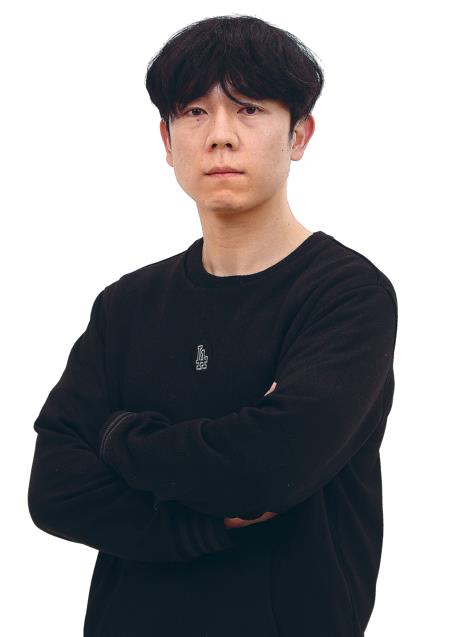
Free Economic Zone bid readies the city to reshape Korea’s next decade of innovation
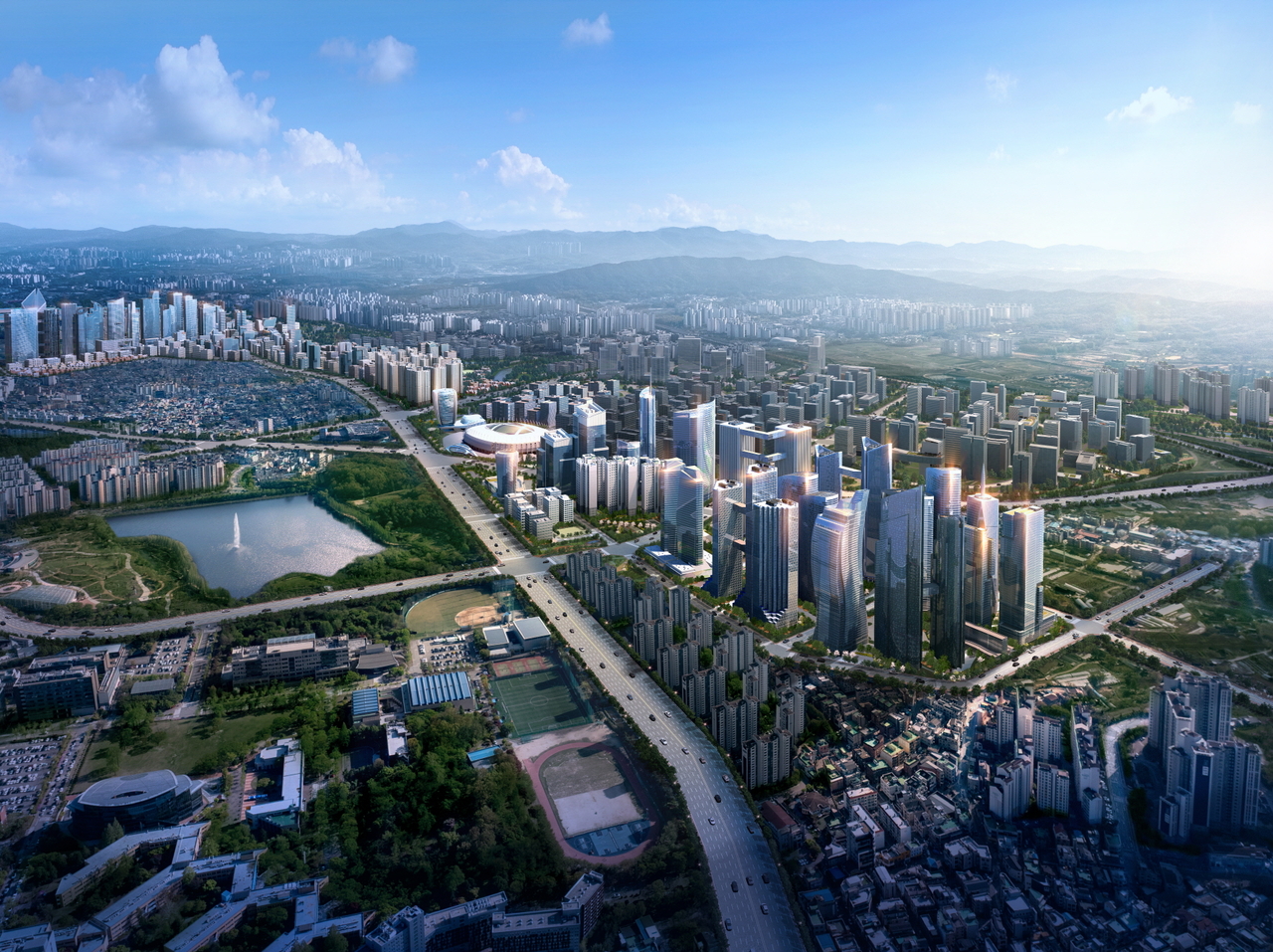
A fresh race for R&D dominance is unfolding under Suwon’s lead, as the city moves to claim a central role in shaping the future of Korean innovation.
As traditional manufacturing reaches its limits, Gyeonggi Province's largest city by population is steering its future toward high-density research, global tech firms and next-generation science clusters anchored by Samsung Digital City.
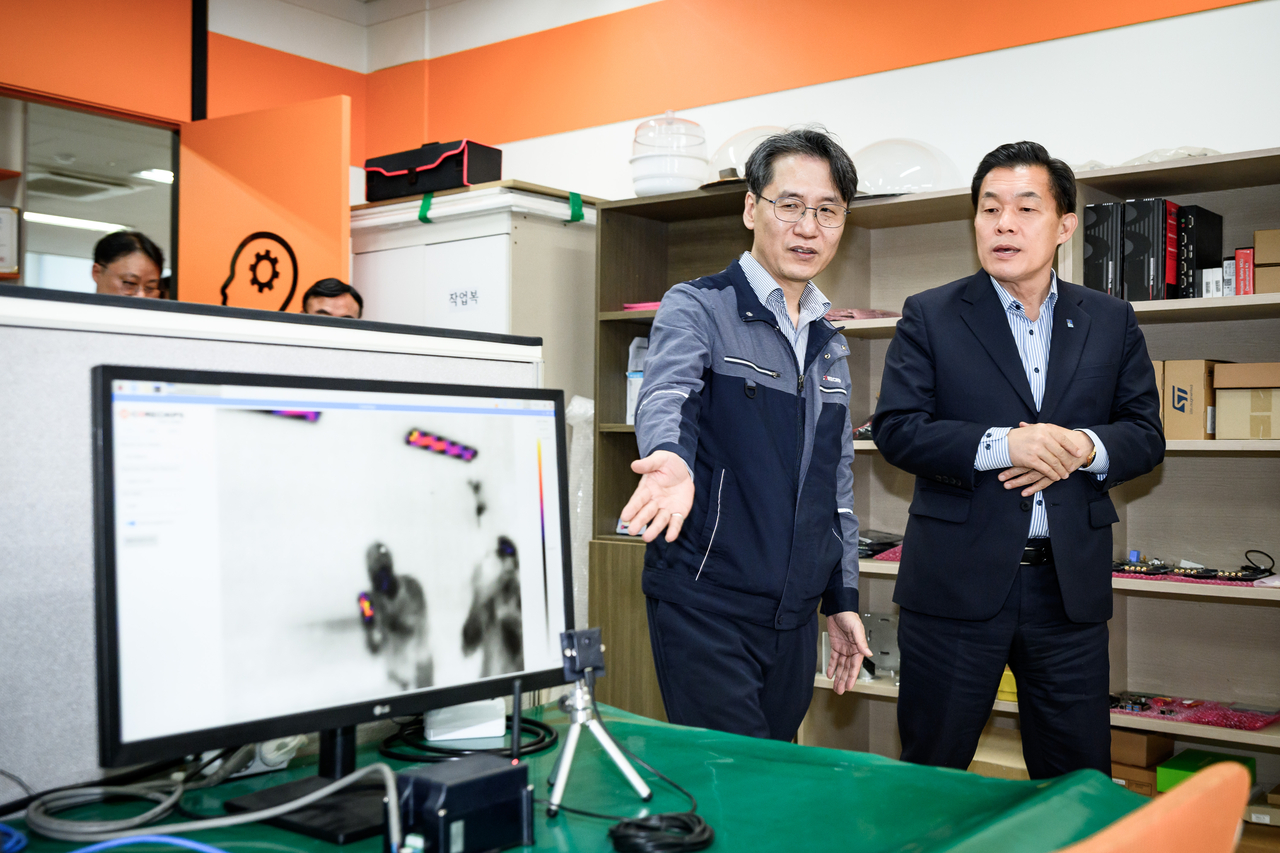
Suwon Mayor Lee Jae-joon’s push to brand Suwon as a “Brain City” reflects a strategic shift: core technologies will be conceived and developed in Suwon, while large-scale production expands to regional hubs.
That attempt to redefine Suwon’s position in Korea’s industrial hierarchy intensifies this year as the city seeks designation as a Free Economic Zone. The move, officials say, would lock Suwon into the country’s top tier of innovation ecosystems.
With major research and development compounds breaking ground and a long-delayed science park finally underway, Suwon is preparing to compete head-to-head with global research clusters rather than serve as their satellite.
Building a global R&D zone
Suwon is mounting an all-out push to secure Free Economic Zone status from the Ministry of Trade, Industry and Resource in November, a designation that would open the door to greater foreign investment and elevated regulatory flexibility.
The FEZ framework, created to boost national competitiveness, offers incentives aimed at drawing global firms and improving conditions for foreign professionals.
At the core of Suwon’s proposal is the long-stalled R&D Science Park, which finally broke ground after more than a decade of delay. The city approved the building plan and site designation in January, with completion targeted for March 2027.
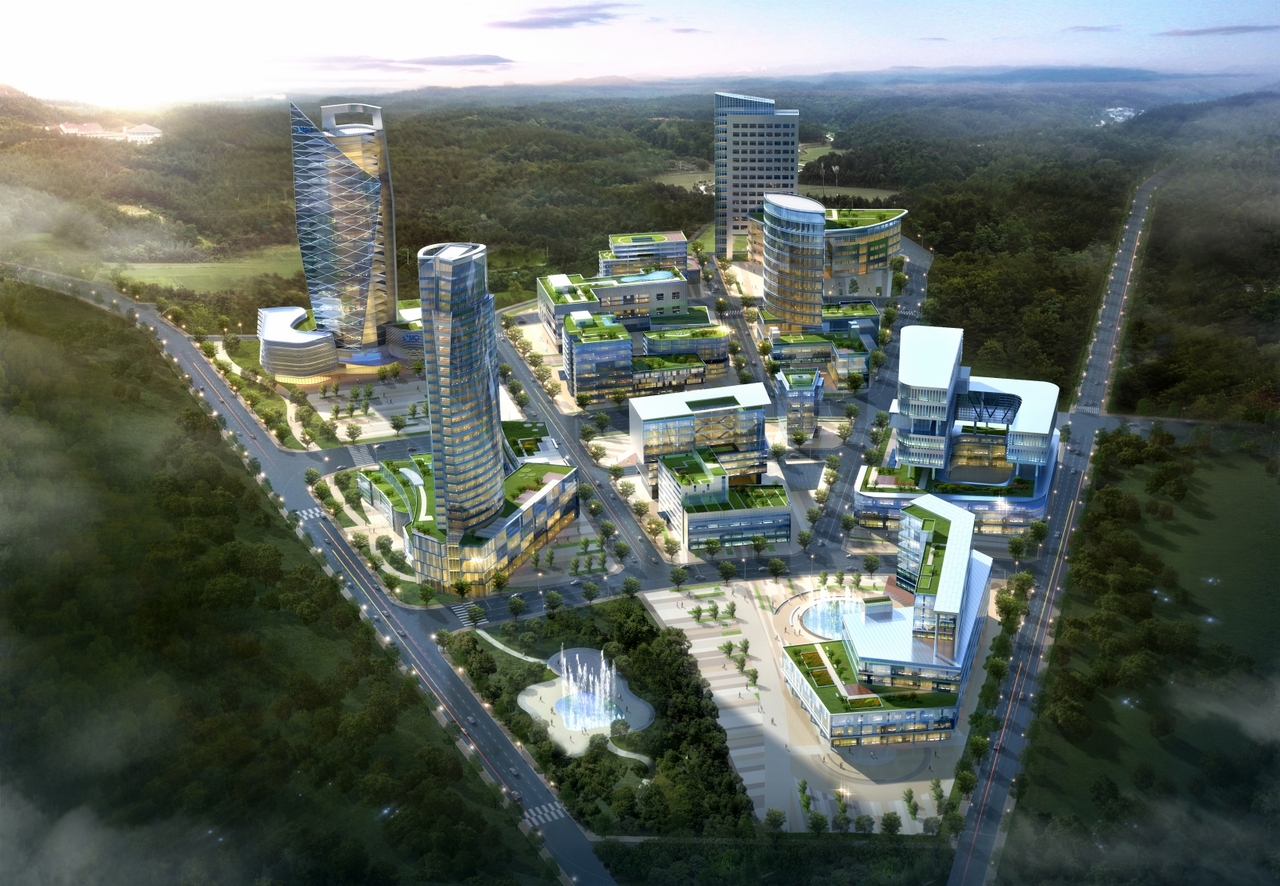
Another core component of the FEZ plan is the Tapdong Innovation Valley, which began construction in February and is scheduled for completion in December 2028.
The complex is designed as a technology-focused business district that would anchor Suwon’s broader R&D ecosystem.
Suwon city officials say attracting top global tech companies is essential to building a competitive cluster and plan to offer tailored investment packages to meet the needs of high-value firms.
The FEZ, covering 3.3 million square meters, could accommodate roughly 1,500 to 2,000 companies. The projection is based on Pangyo Techno Valley, which is about one-third the size and currently hosts 1,820 firms and about 80,000 employees.
Suwon estimates the FEZ could generate more than 100,000 jobs, supported by strong connectivity to the greater Seoul area and to international airports in Incheon and Gimpo.
The city also points to a steady pipeline of STEM talent from five local universities and an existing network of about 43,000 researchers working across Samsung facilities, the Suwon Delta Plex industrial complex, the Korea Foundation for International Healthcare and the Gyeonggi Business and Science Accelerator.
Officials argue that Suwon’s established base in advanced science and technology gives it a natural advantage, saying the FEZ would amplify these assets and accelerate the city’s emergence as a "Brain City" capable of leading research in multiple fields.
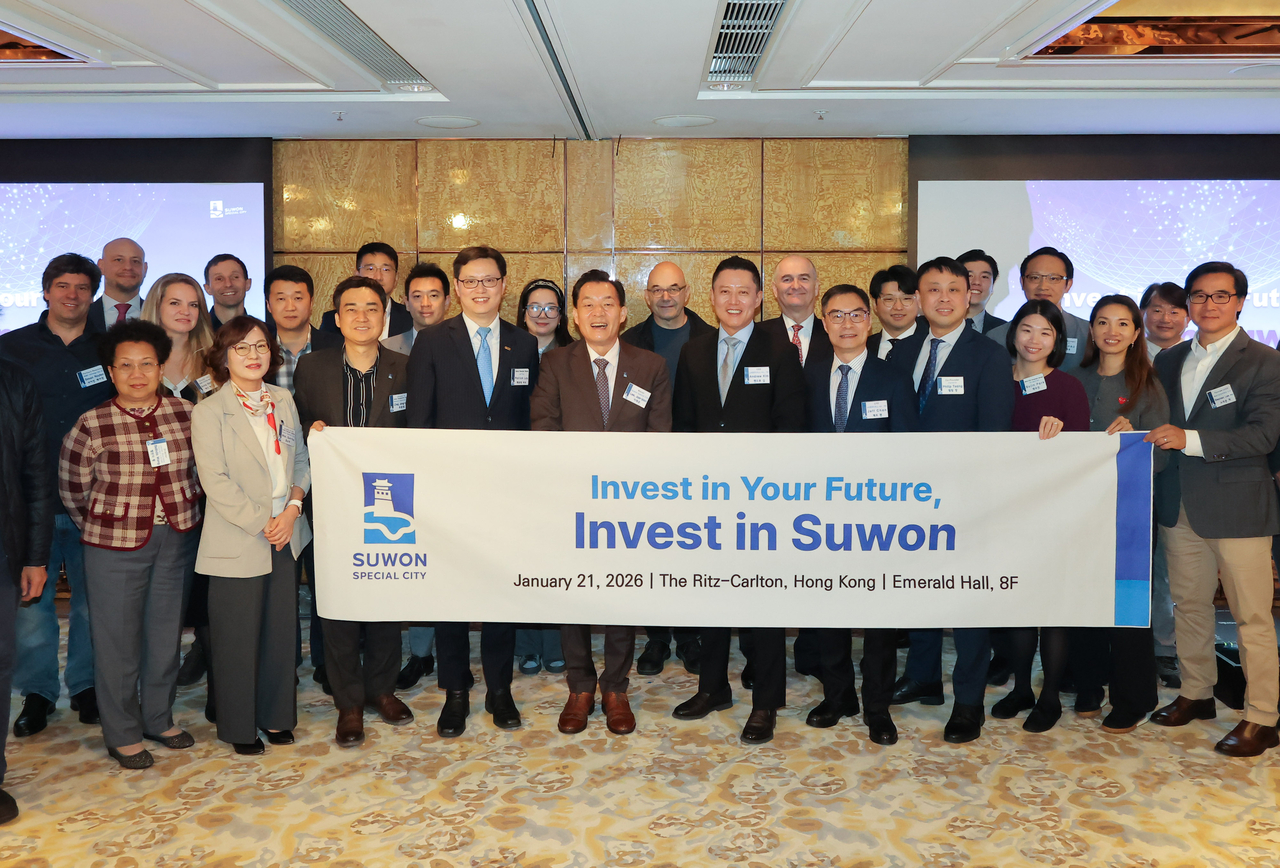
Expanding resident support
Since taking office, Mayor Lee’s administration has centered its agenda on what it calls policies that citizens can feel, led by the Saebit or New Light initiative that bundles programs for petitions, childcare, social services and support for emerging companies.
Usage of the New Light Care service reached 5,193 residents with 120,588 service cases, ranging from school accompaniment for young children to rehabilitation and counseling.
The program was recognized by the central government as a model service in 2025, following similar recognition for the city’s petition system a year earlier.
The Suwon Enterprise New Light Fund has invested 31.5 billion won in 19 early-stage firms, backed by 314.9 billion won in capital already secured and a target of 445.5 billion won.
The New Light House Repair Project aims to support 3,000 low-income households by year-end, while the New Light Talk Talk platform has gained 180,000 subscribers, equal to about 14.6 percent of the city’s population.
Other programs cover childbirth subsidies, menstrual products for teenagers, youth housing, mobility support for the elderly and people with disabilities, training for young adults, and vaccinations, giving the initiative a broad reach across demographics.
A December survey by the Suwon Research Institute found strong public approval: 75 percent of respondents say the city is performing well, and 78 percent believe Suwon’s policies will improve their lives.
Respondents cited alignment with policy direction, the volume of practical support programs, and the administration’s willingness to communicate.
“Suwon will serve as the axis of Korea’s development as a central city for advanced science,” Mayor Lee said. “We will push forward with policies that deliver real benefits and complete a transition that citizens can feel.”
minsikyoon@heraldcorp.com

![[Exclusive] Ateez to return in November](https://wimg.heraldcorp.com/news/cms/2026/09/02/news-p.v1.20260902.76162fb0ba55493aad1c076f240d0750_R.jpg?type=h&h=120)