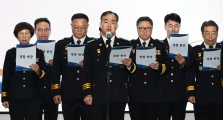
More than 3.2 million South Koreans have formally opted out of life-sustaining treatment in the event of incurable illness, according to data released Monday by the National Agency for Management of Life-sustaining Treatment.
국립연명의료관리기관이 23일 발표한 자료에 따르면, 회복 불가능한 질환 발생 시 연명의료를 받지 않겠다는 의사를 공식적으로 밝힌 국민은 320만 명을 넘어섰다.
The total stood at 3.2 million as of December, including 2.13 million women and 1.07 million men, reflecting a steady rise in participation in the country’s end-of-life decision system, often described as allowing a “dignified death.”
지난해 12월 기준 등록자는 여성 213만 명, 남성 107만 명 등 총 320만 명으로, 이른바 ‘존엄사’를 가능하게 하는 국내 연명의료 결정 제도에 대한 참여가 꾸준히 증가하고 있는 것으로 나타났다.
People aged 65 or older accounted for more than two-thirds of all registrants, or 2.37 million people.
전체 등록자 가운데 65세 이상 고령층은 237만 명으로, 전체의 3분의 2 이상을 차지했다.
The system was introduced in February 2018 under the Act on Decisions on Life-sustaining Treatment for Patients in Hospice and Palliative Care or at the End of Life.
이 제도는 말기 환자 및 호스피스, 완화의료 대상자의 연명의료 결정을 규정한 법에 따라 2018년 2월 도입됐다.
About 86,000 people registered in its first year. The total surpassed 1 million in August 2021, 2 million in October 2023 and 3 million in August 2025.
시행 첫해 등록자는 약 8만6천 명이었으며, 이후 2021년 8월 100만 명, 2023년 10월 200만 명, 2025년 8월 300만 명을 각각 넘어섰다.
Physician Orders for Life-Sustaining Treatment, documents prepared by doctors to reflect a patient’s wishes regarding medical interventions, had been registered for 185,952 people as of December.
환자의 의료 처치에 대한 의사를 반영해 의사가 작성하는 연명의료계획서는 지난해 12월 기준 18만5,952건이 등록됐다.
Since the law took effect, life-sustaining treatment has been withdrawn in 478,378 cases with the consent of patients or their families, the agency said.
법 시행 이후 환자 본인이나 가족의 동의에 따라 연명의료가 중단된 사례는 총 47만8,378건에 달한다고 기관은 밝혔다.
Debate over the scope of so-called dignified death remains active in South Korea, as in many other countries, particularly over ethical boundaries and eligibility.
한국을 비롯한 여러 국가에서 이른바 존엄사의 범위를 둘러싼 논의는 윤리적 한계와 대상 기준을 중심으로 여전히 활발히 이어지고 있다.
The act currently limits such decisions to patients deemed to be in the "end-of-life process," which Article 2 defines as having an incurable condition with imminent death expected within months and no possibility of recovery.
현행법은 연명의료 중단 결정을 ‘임종 과정’에 있는 환자로 한정하고 있으며, 이는 수개월 이내 사망이 예상되고 회복 가능성이 없는 상태로 규정돼 있다.
Last year, Rep. Nam In-soon of the ruling Democratic Party of Korea proposed a revision that would broaden eligibility to include patients who, though not yet terminal, are assessed to be approaching a likely death.
지난해 더불어민주당 남인순 의원은 아직 말기 상태는 아니지만 사망에 이를 가능성이 크다고 판단되는 환자까지 대상을 확대하는 내용의 개정안을 발의했다.
If passed, the amendment would allow patients to forgo life-sustaining treatment earlier in the course of irreversible illness, expanding the framework beyond its current end-stage threshold.
개정안이 통과될 경우, 회복 불가능한 질환의 진행 단계에서 보다 이른 시점에 연명의료를 거부할 수 있도록 해 현행 말기 기준을 넘어 제도의 적용 범위가 확대될 전망이다.
Tip
1. incurable — 치료 불가능한
2. dignified — 존엄한
3. accounted — 차지했다
4. palliative — 완화의료의
5. life-sustaining — 생명을 연장하는, 연명의
6. imminent — 누적된
7. terminal — 질병의 말기
8. amendment — (법안) 개정안
khnews@heraldcorp.com