South Korea began 2025 amid constitutional rupture and ends it with renewed confidence in technocratic governance. The year’s most arresting moments were political. A presidential impeachment closed one era, and the rapid inauguration of the Lee Jae Myung administration opened another, compressing the institutional shock into the space of a few months.
한국은 무너진 헌정질서 하에서 시작한 2025년을 기술관료적인 거버넌스에 새로운 자신감을 가지고 마무리짓는다. 올해 가장 시선을 사로잡은 순간들은 정치적이었다. 대통령 탄핵이 한 시대를 마감했고 이재명 정부가 빠르게 취임해 다음 시대를 열어 수개월 사이에 제도 전반에 걸친 충격을 겪었다.
Yet the more consequential transformation unfolded away from the assembly hall. In 2025, Seoul stopped patching aging systems and began rewriting them. What emerged was not ideological fervor but strategic recalibration, shaped by the recognition that incremental fixes no longer matched the scale of national risk.
그러나 더욱 중대한 전환은 의사당 밖에서 일어났다. 2025년 서울은 노후된 시스템을 부분적으로 손보는 것을 그만두고 새롭게 재편하기 시작했다. 이데올로기에 기반한 열정이 아니라 점진적인 보수로는 더이상 국가 위기의 규모를 따라잡을 수 없다는 인식에서 비롯된 전략적인 재조정이 시작된 것이다.
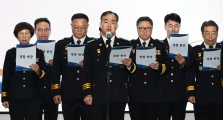
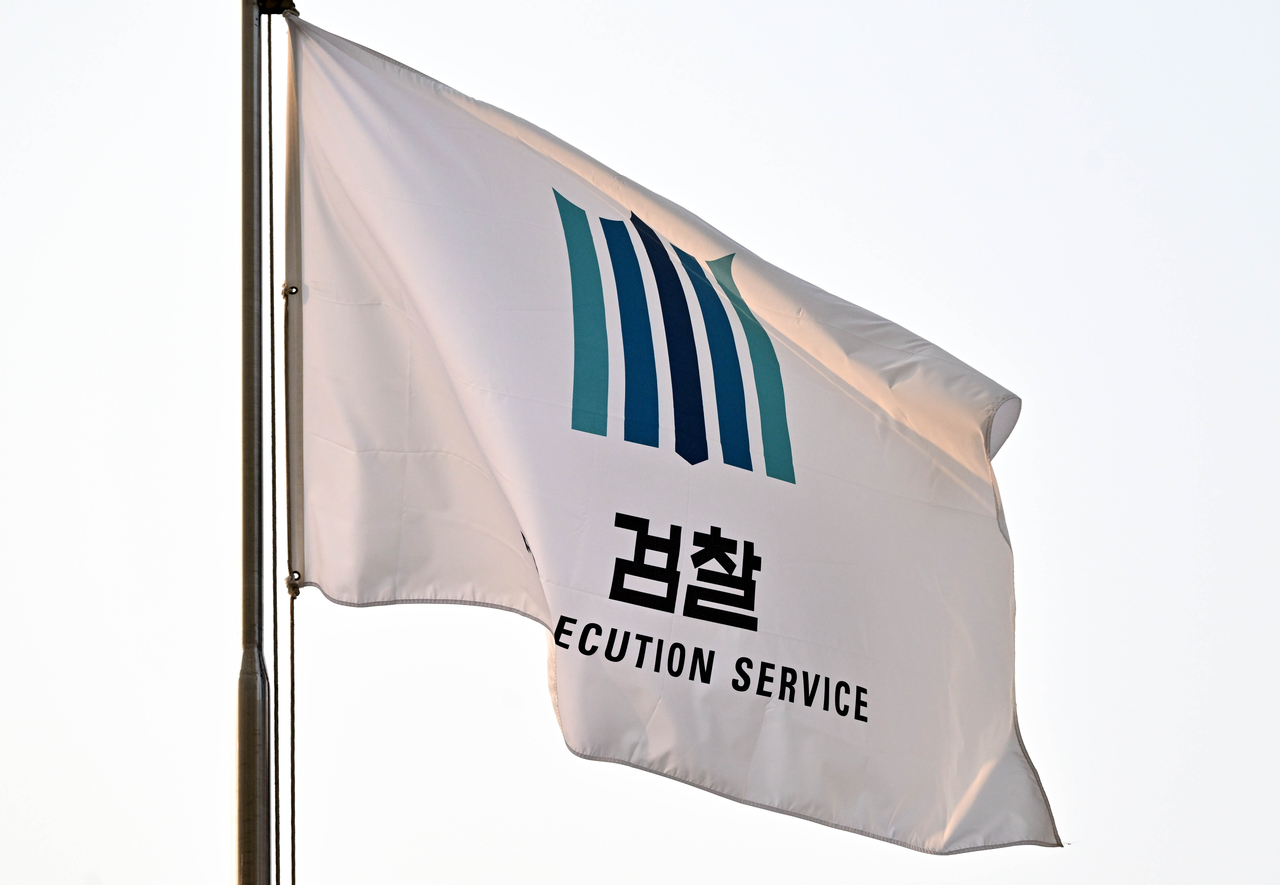
The pivotal shift was institutional. For decades, the State Prosecutors’ Office served as the country’s most dominant power center, a legacy of hypercentralized rule. Legislation passed this year set in motion its dismantling after 78 years, separating its functions and recalibrating authority across the state.
중심이 되는 변화는 제도적이었다. 수십년간 검찰청은 초집중된 지배의 유산으로 한국의 가장 압도적인 권력의 구심점 역할을 해왔다. 올해 통과된 법안은 78년만에 그 조직을 와해시키는데 착수해 그 기능을 분리하고 전국에 걸친 수사권을 재조정한다.
By decoupling investigation from prosecution, South Korea moved toward a legal architecture that places weight on process rather than discretion. The transition has been bruising and politically costly, with implementation extending beyond this year, but it signaled an effort to curb power rather than merely rotate it.
기소와 수사를 분리함으로써 한국은 재량보다는 과정에 무게를 두는 법적 체계로 나아간다. 이러한 움직임은 논란을 불러왔고 정치적으로 큰 대가를 치르게 해 실행은 올해를 넘기게 됐으나 권력을 단순히 옮기는 것이 아니라 제어하려는 노력을 보여주었다.
That recalibration was reinforced by high-profile probes into past state affairs, including ongoing investigations involving former President Yoon Suk Yeol and former first lady Kim Keon Hee. Their significance lies less in individual outcomes than in signaling that no officeholder stands beyond scrutiny.
윤석열 전 대통령과 김건희 여사 관련 현재 진행중인 수사를 포함해 지난 국정에 관한 굵직굵직한 수사들이 이러한 재조정에 힘을 더했다. 개별적인 결과보다는 어떤 공직자도 엄격한 조사를 피할 수 없다는 것을 보여주는데 더 큰 의의가 있다.
Markets offered a parallel, if more volatile, verdict. The Kospi’s breach of the 4,000 threshold this year signaled a reassessment of the long-standing “Korea discount.” Investors responded to a $518 billion AI chip strategy, improved capital returns and corporate value-up reforms, alongside a favorable technology cycle.
시장은 좀더 즉흥적일 수도 있으나 유사한 의견을 보였다. 코스피가 올해 4천 포인트 선을 돌파해 장기간 지속되온 "코리아 디스카운트"가 재검토될 것을 시사했다. 투자자들은 5,180억 달러 상당의 인공지능 반도체 전략, 높아진 수익률, 기업가치 개혁 그리고 기술 분야 호조에 반응을 보였다.
In a world fragmenting into rival trade blocs, South Korea converted hardware strength into diplomatic leverage. By anchoring global HBM and logic chip supply chains, it secured a central role in the artificial intelligence economy. Industrial policy and geopolitics increasingly converged amid persistent global instability.
세계가 무역 블럭으로 나뉘어 경쟁하는 상황에서 한국은 하드웨어에서 가진 강점을 외교적인 레버리지로 사용했다. 글로벌 고대역폭메모리와 로직 반도체 공급망을 안정화시킴으로써 인공지능 경제에서 중심역할을 확보했다. 산업 정책과 지정학은 세계적인 불안정이 지속되는 가운데 점차 수렴되었다.
Diplomacy reflected the same pragmatism. At the APEC summit in Gyeongju, Seoul leaned into transactional realism. Securing a 15 percent tariff ceiling with Washington while maintaining semiconductor ties with Beijing underscored a deliberate strategy. Seoul no longer seeks alignment with every partner but aims to remain too important to exclude.
외교분야에서도 동일한 실용주의가 반영되었다. 경주에서 열린 APEC 정상회담에서 한국은 거래적 현실주의를 택했다. 미국과는 관세 상한을 15퍼센트로 관철하고 중국과는 반도체 관련 협력을 유지해 전략적 의도를 분명히 했다. 한국은 더이상 모든 상대국가와 발을 맞추려 하지 않는다. 배제하기에 너무 중요한 존재가 되고자 한다.
Cultural exports complemented this repositioning. From Tony-winning productions like “Maybe Happy Ending” to the continuing global reach of K-pop, Korean content reinforced international presence without bearing the weight of formal diplomacy.
문화 분야의 수출이 이러한 위치 재선정을 보완해 주었다. 토니상을 수상한 "어쩌면 해피엔딩"부터 계속해서 세계적으로 뻗어가는 케이팝까지 한국의 컨텐츠는 형식적인 외교의 부담에서 벗어나 국제적인 입지를 강화했다.
Yet the social balance sheet remains unsettled. South Korea’s fertility rate showed tentative signs of recovery, rising close to 0.8 by the year-end. Monthly increases and cautious projections point to the first sustained improvement in years, though the rate remains the world’s lowest.
그러나 사회적 지표는 여전히 불안 요소를 보인다. 한국의 출산율은 연말 기준 0.8퍼센트에 근접하게 상승해 회복의 조짐을 보이기는 했다. 월별 증가 추세 그리고 신중한 추정치에 따르면 수년만에 처음으로 상승세가 유지되는 것을 보인다. 그러나 출산율은 여전히 세계 최저 수준이다.
Material success is pulling ahead of social foundations. Gangnam’s luxury towers signal concentrated wealth, while expanding semiconductor complexes grow detached from the communities meant to sustain them.
사회적인 기반보다 물질적인 성공이 앞서고 있다. 강남의 호화로운 타워들은 부의 축적을 시사하는 반면 확장중인 반도체 단지들은 이를 유지해야할 지역사회와 멀어지고 있다.
The parliamentary inquiry into the Jeju Air disaster reinforced this warning. It revealed gaps in oversight, reminding the public that advanced systems cannot substitute for institutional trust or social resilience.
제주항공 참사 관련 국회의 조사가 이러한 위험을 환기시켜준다. 당 조사는 관리 소홀을 드러내 첨단 시스템이 제도적인 신뢰나 사회적인 탄성을 대체할 수 없다는 것을 상기시킨다.
Recent data breaches at major firms such as Coupang and SK Telecom underscored that lesson. For all its digital ambition, South Korea’s infrastructure remains more fragile than valuations suggest, and prosperity has yet to translate into collective security.
최근 있었던 쿠팡과 SK 텔레콤과 같은 대기업의 정보유출로 이러한 교훈을 다시 한번 강조했다. 원대한 기술적인 목표에도 불구하고 한국의 인프라는 아직 겉으로 평가되는 것보다 취약하고 풍요로움은 아직 전체의 안전으로 이어지지 못했다.
As 2025 closes, South Korea stands as a country adept at dismantling old structures. It reconfigured the architecture of power, pushed into higher tiers of global finance and navigated great-power rivalry with unusual discipline.
2025년을 마감하는 현 시점, 한국은 구시대의 유물을 해체하는데 능한 국가이다. 권력 구조를 재구성하고 글로벌 경제에서 한층 더 상승했으며 남다른 능력으로 패권경쟁을 헤쳐나갔다.
What remains uncertain is whether these gains can anchor a durable society. The legacy of 2025 will be set by whether this recalibrated Korea can convert technocratic success into social continuity. The country has proved it can absorb systemic shock; the harder test now is sustaining a future beyond it.
아직 불확실한 것은 이러한 결과들이 지속해서 사회를 안정시킬 수 있냐는 것이다. 재조정을 마친 한국이 기술적인 성공을 사회적인 지속성으로 전환시킬 수 있는가가 2025년이 남긴 것이 무엇일지 정할 것이다. 한국은 제도적인 충격을 이겨낼 수 있다는 것을 증명했다. 이제 더 어려운 시험은 그를 뛰어넘어 미래를 유지해가는 것이다.
rupture 파열
technocratic 테크노크라시(과학 기술 분야 전문가들이 많은 권력을 행사하는 정치 및 사회 체제)의
implementation 실행
threshold 문턱
geopolitics 지정학
converge 수렴되다
transactional 업무적인
balance sheet 대차대조표
projection 추정
reconfigure 재구성하다
khnews@heraldcorp.com