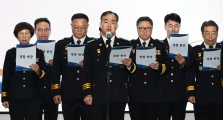
Last week, the Ministry of Employment and Labor released interpretive guidelines for the revised Trade Union and Labor Relations Act, commonly known as the Yellow Envelope Act.
지난주 고용노동부는 흔히 노란봉투법으로 불리는 개정된 노동조합 및 노동관계조정법의 해석 지침을 발표했다.
Although presented as a way to prevent confusion in workplaces, the guidelines are broad and vague, heightening concerns that disputes over key provisions will inevitably be litigated.
현장에서의 혼란을 예방하기 위한 조치로 발표되었으나 지침은 지나치게 포괄적이고 모호해 주요 조항 관련 분쟁이 법정으로 불가피하게 이어질 것이라는 우려가 높아졌다.
Fundamentally, the guidelines contain inherent flaws. The Yellow Envelope Act itself ambiguously broadens the definition of “employer” to encompass “those who can substantially and concretely determine working conditions.”
근본적으로 지침은 본질적인 결함을 가지고 있다. 노란봉투법은 "사용자"의 정의를 모호하게 확대해 "근로 조건에 대해 실질적이고 구체적으로 결정할 수 있는 자"를 포함시켰다.
Under the guidelines, employer status hinges on whether a contractor exercises “structural control” over working conditions.
이 지침하에서 고용주의 지위는 도급업체가 근로 조건에 대해 "구조적 통제"를 행사하는지 여부에 달려있다.
If a contractor effectively exerts structural control over a subcontractor’s manpower management, working hours, work methods, industrial safety and related matters, the subcontractor’s employees would be entitled to bargain collectively with the contractor. In such cases, the contractor’s chief executive -- rather than the subcontractor’s -- would be treated as the employer of those workers.
만약 도급업체가 실질적으로 하청업체의 인력관리, 근로시간, 근로방식, 산업 안전 및 관련 문제에 구조적으로 통제한다면 하청업체의 고용인들은 도급업체와 단체교섭이 가능해진다. 그 경우 하청업체가 아니라 도급업체의 최고경영자가 이 근로자들의 고용주로 취급될 것이다.
The guidelines also state that whether a contractor is required to bargain with subcontractors should be determined on an issue-by-issue basis related to working conditions. However, they provide no specific examples. Further clarification on the conditions that trigger bargaining obligations is needed.
해석 지침은 또한 업체가 하청업체와 협상을 해야하는지 여부는 근로조건에 따라 각 이슈별로 결정되어야 한다고 말한다. 그러나 구체적인 예시는 들지 않았다. 협상 의무를 야기하는 조건을 더 명확히 할 필요가 있다.
In practice, “structural control” is no clearer than the already vague notion of “substantial and concrete control.” So, the scenario contractors fear -- being forced to negotiate individually with unions representing hundreds or even thousands of subcontractors -- remains unchanged.
현실적으로 "구조적 통제"는 이미 막연한 개념인 "실질적이고 구체적인 통제"만큼이나 불명확하다. 따라서 기업들이 두려워하는 수백 수천에 달하는 하청업체들을 대표하는 노조들과 개별적으로 협상을 해야만하는 시나리오는 여전히 그대로다.
By suggesting that control over industrial safety and health systems may incur employer status, the guidelines effectively imply that complying with the Occupational Safety and Health Act could itself expose contractors to being deemed employers and dragged into strikes. This outcome appears unreasonable.
당 가이드라인은 산업안전 및 후생 체계를 통제하는 것이 고용자 지위로 이어질 수도 있다고 암시한다. 이는 실질적으로 산업안전보건법을 준수하는 것 자체로 업체들이 고용주로 분류돼 파업에 휘말릴 수 있는 위험에 노출될 수 있다고 시사하는 것이며 이러한 결론은 불합리해보인다.
The guidelines state that management decisions such as overseas investment, mergers, spin-offs, sales and transfers are not subject to collective bargaining demands by trade unions. Yet they add that if those decisions are objectively expected to trigger layoffs or workforce reshuffles, trade unions may seek collective bargaining.
지침에 따르면 해외투자, 합병, 분할, 매각 그리고 이전과 같은 경영상 결정들은 노동조합의 집단교섭 요구의 대상이 되지 않는다. 그러나 이러한 결정으로 정리해고 혹은 인력 구조조정이 일어날 것으로 객관적으로 판단되면 노조는 단체교섭을 시도할 수 있다.
The problem is that corporate decisions such as overseas moves, sales and mergers are almost certain to affect work methods in some way. As a result, strategic business judgments could become grounds for lawful strikes.
문제는 해외이전, 매각 및 합병 등의 기업의 결정은 어떤 방식으로든 작업방식에 영향을 줄 것이 거의 확실하다는 것이다. 그 결과 전략적인 사업 판단이 합법적인 파업의 사유가 될 수도 있다.
If the guidelines take effect as written, companies seeking to move factories overseas to survive worsening domestic conditions or to sell parts of their businesses are likely to find themselves forced to seek prior consent from trade unions.
만약 가이드라인이 기발표된 대로 효력을 갖는다면 국내 여건의 악화로 해외로 공장을 이전하고자 하거나 사업의 일부를 매각하려는 회사들은 노조의 사전 동의를 받아야만 하는 상황이 될 확률이 높다.
If business decisions on investment or restructuring become subject to collective bargaining and strikes, companies will struggle to adapt to a rapidly changing industrial environment.
만약 투자나 구조조정에 대한 사업상 결정이 단체교섭과 파업의 대상이 된다면 기업들은 빠르게 변화하는 산업환경에 적응하기 위해 분투해야할 것이다.
It could also undermine the ongoing restructuring of the nation’s petrochemical industry. There are concerns that even subcontractor unions could resort to strikes to contest the strategic judgments of large companies.
이는 또한 현재진행중인 한국의 석유화학 산업 구조조정에도 영향을 끼칠 수 있다. 대기업의 전략적 판단에 반해 하청업체 노조까지도 파업 카드를 사용할 수 있다는 우려가 있다.
The Yellow Envelope Act is all but certain to fuel labor-management conflicts, as it opens the door wide for subcontractor unions to strike against large contractors with whom they have no employment contracts.
노란봉투법은 노사 분쟁을 격화시킬 것이 불보듯 뻔하다. 고용계약을 맺지 않은 대기업을 상대로 하청업체 노조들이 파업을 일으킬 있는 기회를 활짝 열어주기 때문이다.
Labor disputes bear directly on national competitiveness. If subcontractor strikes become frequent in Korea’s key industries such as automobiles, shipbuilding and steel, the erosion of the country’s industrial competitiveness would be inevitable.
노동분쟁은 국가 경쟁력에 직접적인 영향을 끼친다. 자동차, 조선, 철강 등 한국의 주요 산업에서 하청업체 파업이 빈번하게 일어난다면 국가 차원의 산업경쟁력이 약화되는 것은 불가피하다.
The Yellow Envelope Act is set to take effect on March 10 next year. With roughly 70 days left, the government must further streamline related regulations and guidelines to minimize workplace confusion from the start.
노란봉투법은 내년 3월 10일 시행될 예정이다. 약 70일을 남겨두고 정부는 관련 규정과 가이드라인을 재정비해 현장에서의 혼란을 처음부터 최소화해야한다.
Given the controversy surrounding the revised act and its untested nature in Korea, confusion and conflict appear inevitable to some extent. With enforcement fixed, the country can only wait and see how it plays out.
개정안을 둘러싼 논란 그리고 한국에서 시도된 적이 없는 내용이라는 것을 감안할때 어느 정도의 혼란과 갈등은 피할 수 없을 것으로 보인다. 실행이 확정되었기에 한국은 상황이 어떻게 흘러가는지 기다려볼 수밖에 없다.
If the law is found to seriously damage the national economy, legislators will need to supplement or revise it. Rolling back expanded workers' rights may be difficult, but what must be done should not be avoided.
해당 법이 국가 경제를 심각하게 훼손하게 된다면 국회는 이를 보완하거나 개정해야 할 것이다. 강화된 노동자들의 권리를 축소시키는 것은 어려울 수 있으나 꼭 해야할 일을 피해서는 안된다.
litigate 소송하다
inherent 내재적인
encompass 포함하다
exert 행사하다
be entitled to ~할 권리가 있다
incur 초래하다
spin-off 분리설립
contest 이의를 제기하다
bear on 영향을 주다
roll back 되돌리다, 끌어내리다
khnews@heraldcorp.com