

A rare antitrust block that adds pressure to Lotte Group’s restructuring
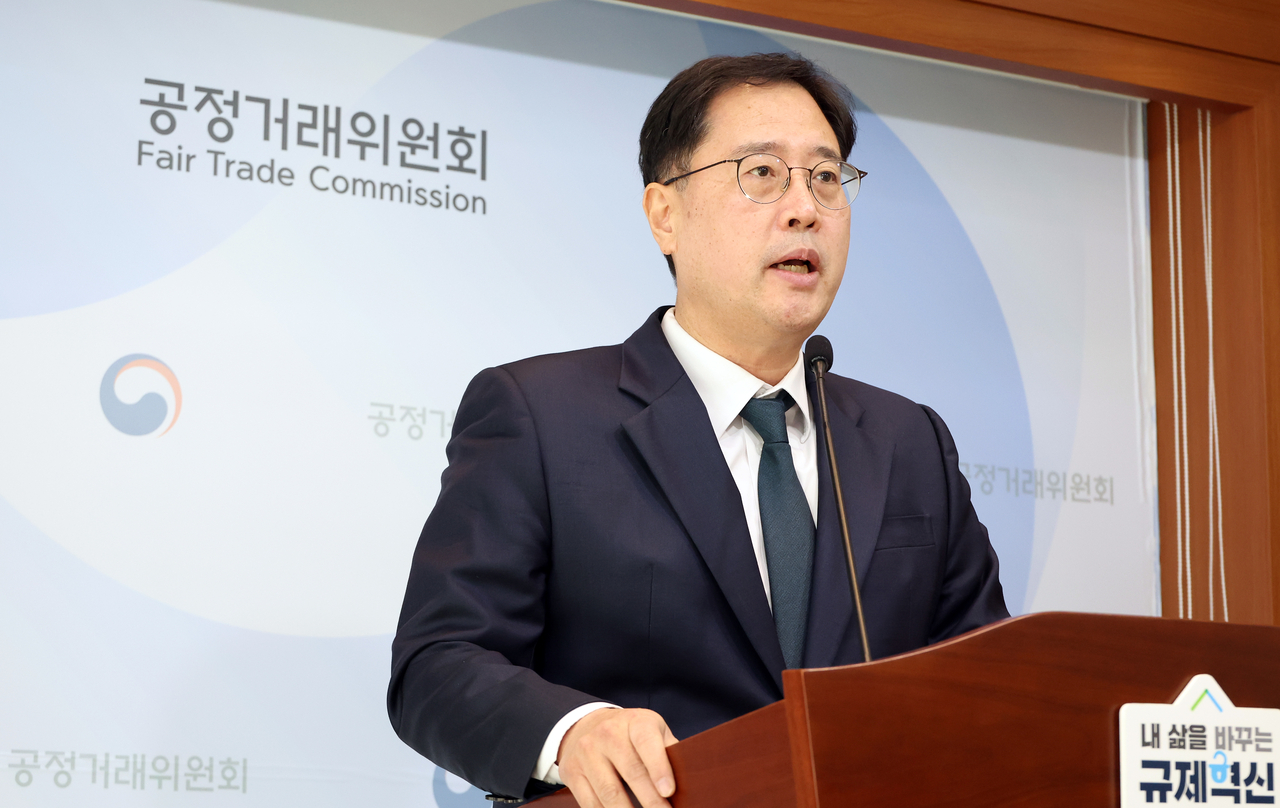
South Korea’s antitrust watchdog has blocked a private equity firm’s bid to acquire the country’s two largest rental car operators in a rare merger intervention — the first in nearly two years — citing competition risks and complicating Lotte Group’s ongoing restructuring.
The Fair Trade Commission said Monday that Affinity Equity Partners’ bid to acquire a 63.5 percent stake in Lotte Rental could tip the market in favor of a single dominant player. In its review, the FTC split the rental business into two segments: short-term contracts under a year and long-term leases beyond that.
The short-term segment didn’t appear monopolized at first glance. By late 2024, Lotte Rental and SK Rent-a-Car together held 29.3 percent of the mainland market and 21.3 percent in Jeju. But the FTC argued those numbers masked the reality — a field crowded with small, scattered players lacking real competitive weight.
“Lotte Rental and SK Rent-a-Car already enjoy overwhelming competitive advantages across the board, making it difficult to identify any viable rivals in the short-term rental space,” said Lee Byung-geon, director general of the business trade and mergers and acquisitions bureau at the FTC. “Their merger would cement a polarized market — one dominant player versus many marginal players.”
The long-term lease market triggered even deeper concern. Lotte holds 21.8 percent and SK 16.5 percent, giving the merged firm 38.3 percent, far ahead of Hyundai Capital’s 14.7 percent and Hana Capital’s 7.5 percent.
But for the FTC, the concern ran deeper than just numbers. Lee noted that capital firms like Hyundai and Hana face structural limits. While conglomerates such as Lotte and SK can scale freely, capital companies must align growth with actual demand — a constraint that limits flexibility.
“Capital companies must increase their leasing vehicles in tandem with rental growth, whereas conglomerates like Lotte and SK face no such constraints,” he said.
Without a serious rival, the FTC warned, the merged entity could dominate pricing. For smaller firms, the question may not be if they get pushed out of the market, but when.
“The merged entity could amplify aggressive marketing efforts that small players simply can’t match,” Lee added.
It was the FTC’s first move to block a merger in two years, the last being its 2024 decision to stop Megastudy’s acquisition of ST Unitas.
Affinity had acquired SK Rent-a-Car in August 2024. Through its special purpose company, Careena Transportation Group, it signed a deal in March 2025 to buy the Lotte Rental stake for around 1.8 trillion won ($1.25 billion). A premerger notification shortly followed.
It also marked the first time in Korea that a private equity firm had attempted to merge the top two players in a single industry — a move seen as unprecedented in scale.
Affinity defended the deal, calling the market already competitive. It offered to cap short-term rental prices. The FTC, however, wasn’t swayed by the proposal.
Following Monday’s decision, an Affinity official said the firm respects the outcome.
“We plan to carefully review the details and rationale of the final decision once it is officially delivered,” the official said. “We will explore various options, including the possibility of making additional proposals through discussions with Lotte Group, with a focus on addressing the FTC’s concerns, particularly those related to potential market dominance.”
yeeun@heraldcorp.com