Trump’s second term
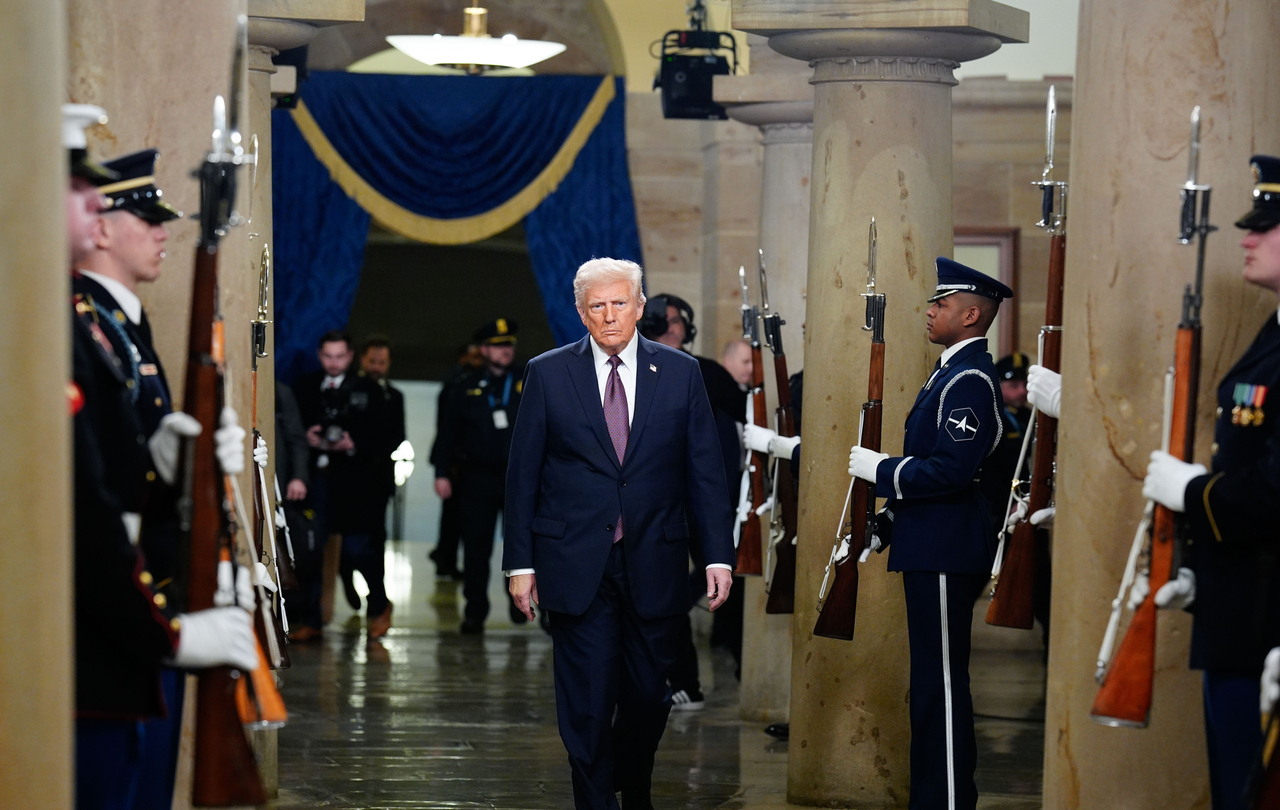
Donald J. Trump was inaugurated for a second, non-consecutive term as the President of the United States of America on Jan. 20, returning to office with a rapid, confrontational agenda. His first year relied heavily on executive authority, with a wave of orders reshaping immigration enforcement, trade policy and the federal bureaucracy. Expanded tariffs and renewed economic nationalism unsettled global markets while dividing US industry and consumers. Domestically, immigration crackdowns and regulatory rollbacks triggered sustained legal challenges and protests, deepening partisan polarization.
As the year progressed, renewed scrutiny surrounding Jeffrey Epstein — including revived reporting, court filings and political attacks — became a persistent distraction, complicating the White House’s message and eroding support among key allies. Tensions with Congress grew, limiting legislative wins and exposing fractures within Trump’s coalition. Signs of wavering party discipline seem to suggest a loosening grip on his power.
China's Victory Day Parade
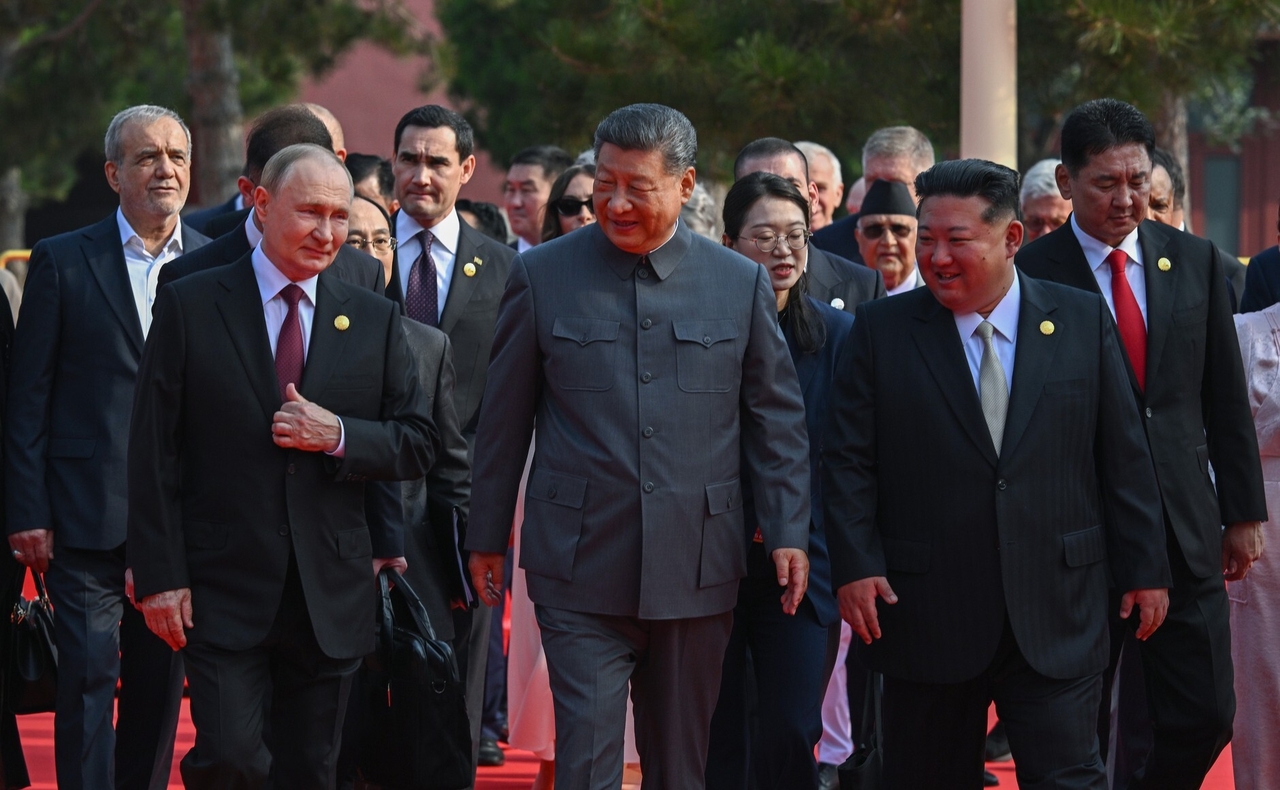
The Chinese government's 80th anniversary parade marking the end of the second Sino-Japanese War and World War II at Tiananmen Square in September was attended by President Xi Jinping, North Korean leader Kim Jung-un and Russian President Vladimir Putin.
The gathering of the three states' leaders was the first in 66 years since North Korea's former leader Kim Il-sung, China's Mao Zedong and the Soviet Union's Nikita Khrushchev met in Beijing in 1959 for China's 10th anniversary of the founding of the People's Republic of China.
In the historic meeting that represented the solidarity of the three countries against the US and the West, North Korea's Kim made his debut on the multilateral diplomacy stage, long after his secluded efforts for his country's nuclear weapons power status. Russia's Putin looked much more at ease than at the time Moscow was internationally isolated after the invasion of Ukraine. President Xi showed off Beijing's military might in the parade while hinting that China will serve as a guardian of world peace and the international order.
US-China rivalry intensifies
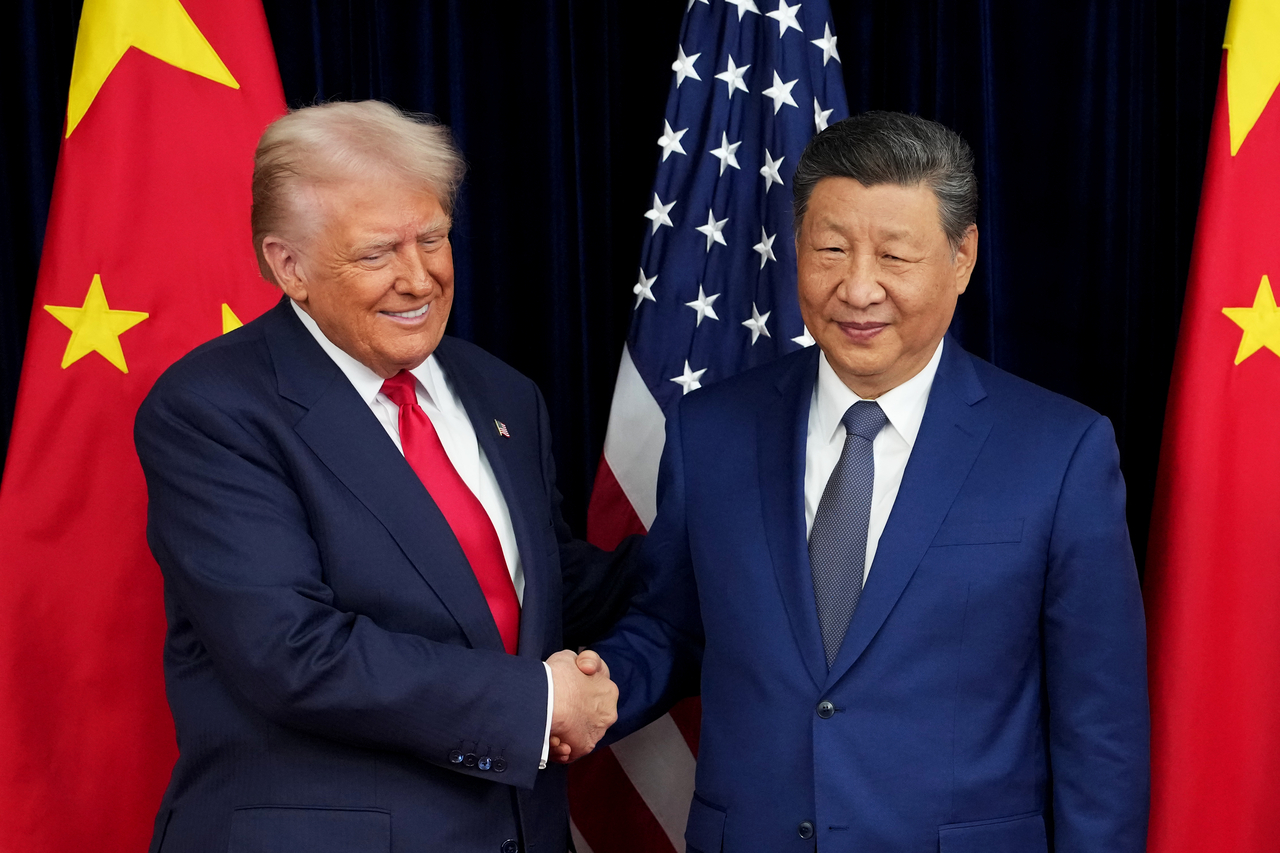
The rivalry between the United States and China intensified structurally with the launch of the Trump administration’s second term. The 2025 US National Security Strategy explicitly prioritized securing economic and military dominance in the Indo-Pacific, signaling a comprehensive effort to counter China.
Washington tightened technology controls, reshaped supply chains in semiconductors, AI, quantum computing and raised tariffs, while China countered by building its own tech ecosystem and restricting rare earth exports. These measures heightened global economic uncertainty and market volatility.
To prevent the competition from spiraling into a full-scale crisis, both sides agreed to manage competition, restoring communication channels and declaring a trade truce at an October summit in Busan, though strategic competition between the two powers is expected to continue.
Japan’s historic first female PM
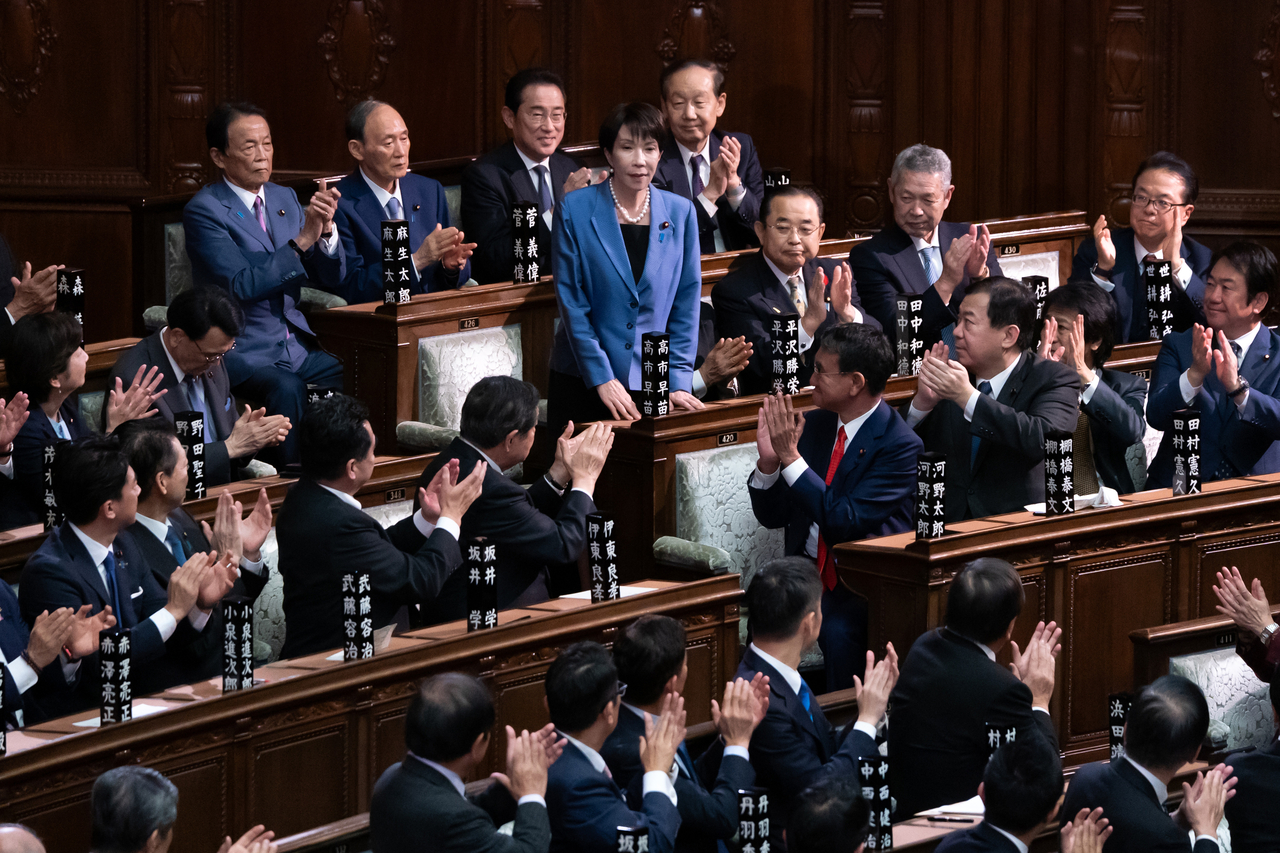
Japan’s National Diet elected Sanae Takaichi as the country’s first female prime minister on Oct. 21, a landmark in the nation’s male-dominated political history. Her victory followed a last-minute coalition deal between the ruling Liberal Democratic Party and the Japan Innovation Party, allowing her to secure enough votes despite a fragile majority.
Though her election was widely seen as a victory for female political representation, critics noted her far-right views and limited interest in gender equality have tempered the breakthrough. Many Japanese observers welcomed the historic moment, while others expressed caution about whether it would translate into broader change for women.
Amid this domestic spotlight, Takaichi’s comments suggesting Japan might invoke its security laws if China threatened Taiwan drew sharp rebukes from Beijing. The remarks have heightened regional unease and sparked diplomatic pushback from China, adding pressure on her administration.
'Habemus papam'
Pope Francis, whose decadelong papacy was marked by a focus on climate action, social justice, expanded roles for women in church processes, mercy-oriented outreach to marginalized communities and interfaith dialogue, died on April 21, 2025, at the age of 88. His passing prompted global mourning across Catholic communities and world leaders.
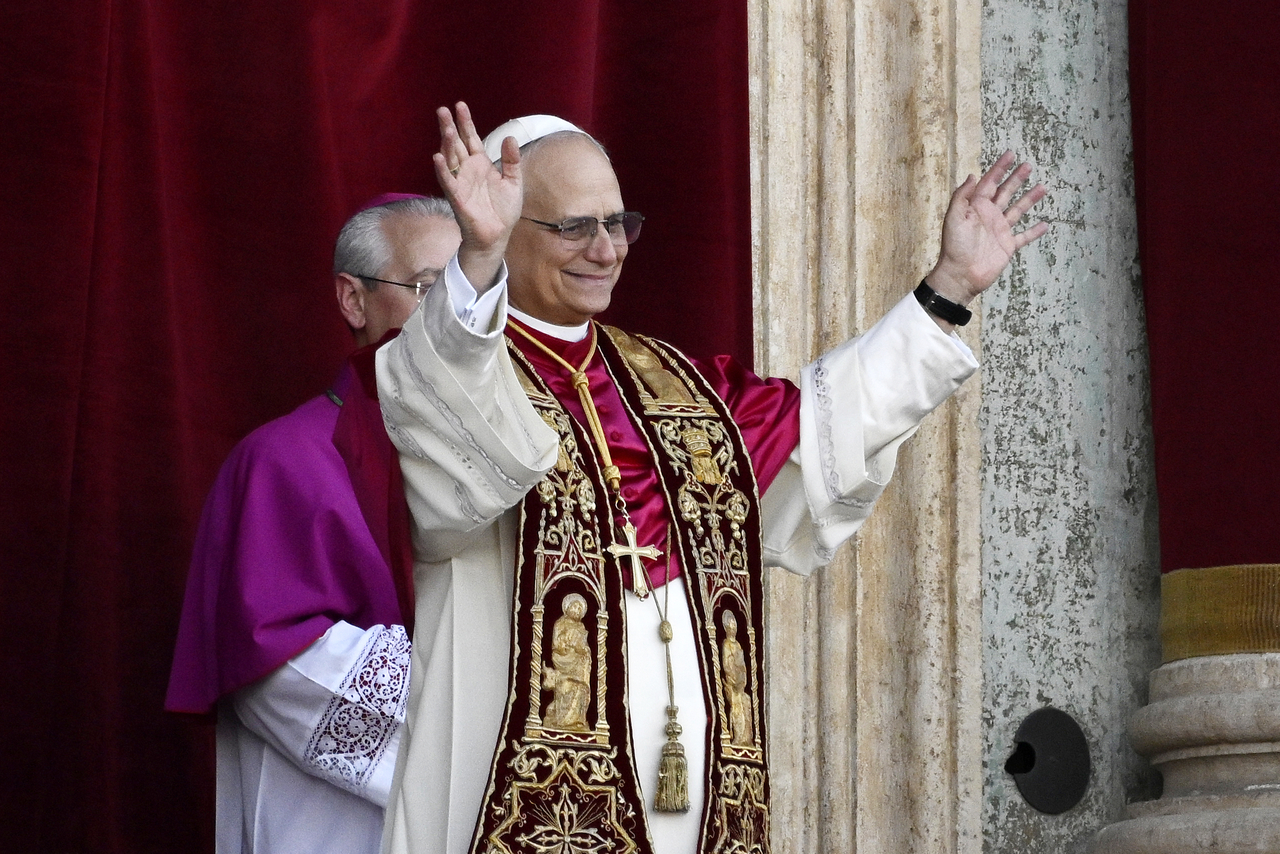
On May 8, the College of Cardinals elected Cardinal Robert Francis Prevost as the 267th pope of the Roman Catholic Church, taking the name Pope Leo XIV. He is the first American pope in the Church’s nearly 2,000-year history and was chosen on the fourth ballot of the conclave.
The world watched closely as Catholics welcomed Leo XIV, whose early messages emphasized continuity with Francis’ emphasis on mercy and social outreach while also addressing new global challenges with pastoral care and diplomacy. Observers anticipate he will balance tradition with thoughtful reform as he leads the Church into a new era.
China-Japan conflict
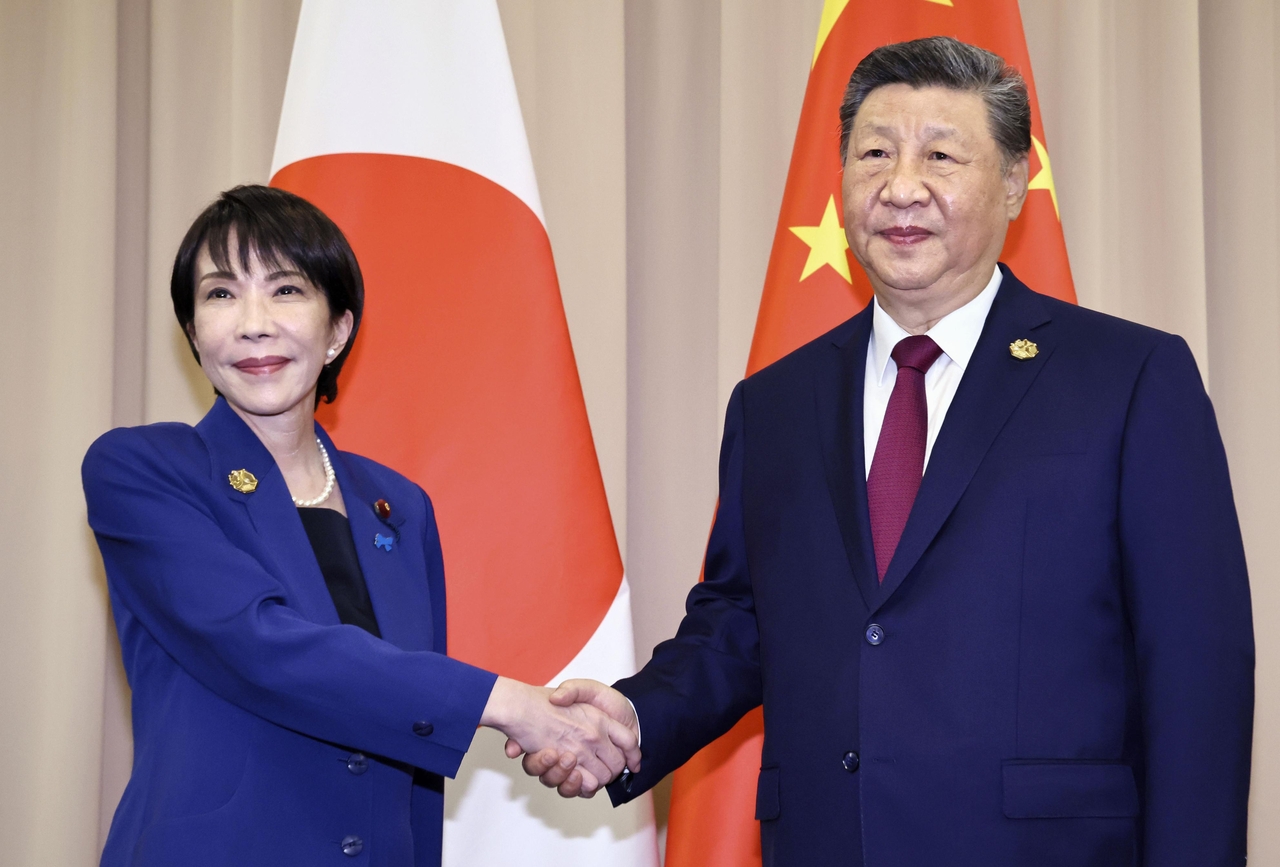
New Japanese Prime Minister Sanae Takaichi said Tokyo could intervene if Beijing takes military action in Taiwan, which instantly led to a conflict between China and Japan.
The prime minister publicly announced that Japan's Self-Defense Force will be mobilized for any Taiwan contingency, as it could be a survival-threatening situation for Tokyo. Beijing strongly condemned Takaichi's remarks as China considers the Taiwan issue as a fundamental "red line."
Two countries' human and cultural exchanges froze, to be followed by China's radar-locking on Japanese aircraft off Okinawa islands, which is normally considered a potential military attack. Tokyo lodged a protest over the incident, and the Chinese government disputed by saying Japan disrupted a "normal training."
Experts warn that the frictions are not temporary, but could lead to long-term tension in the Northeast Asian security scene.
The Year AI went mainstream
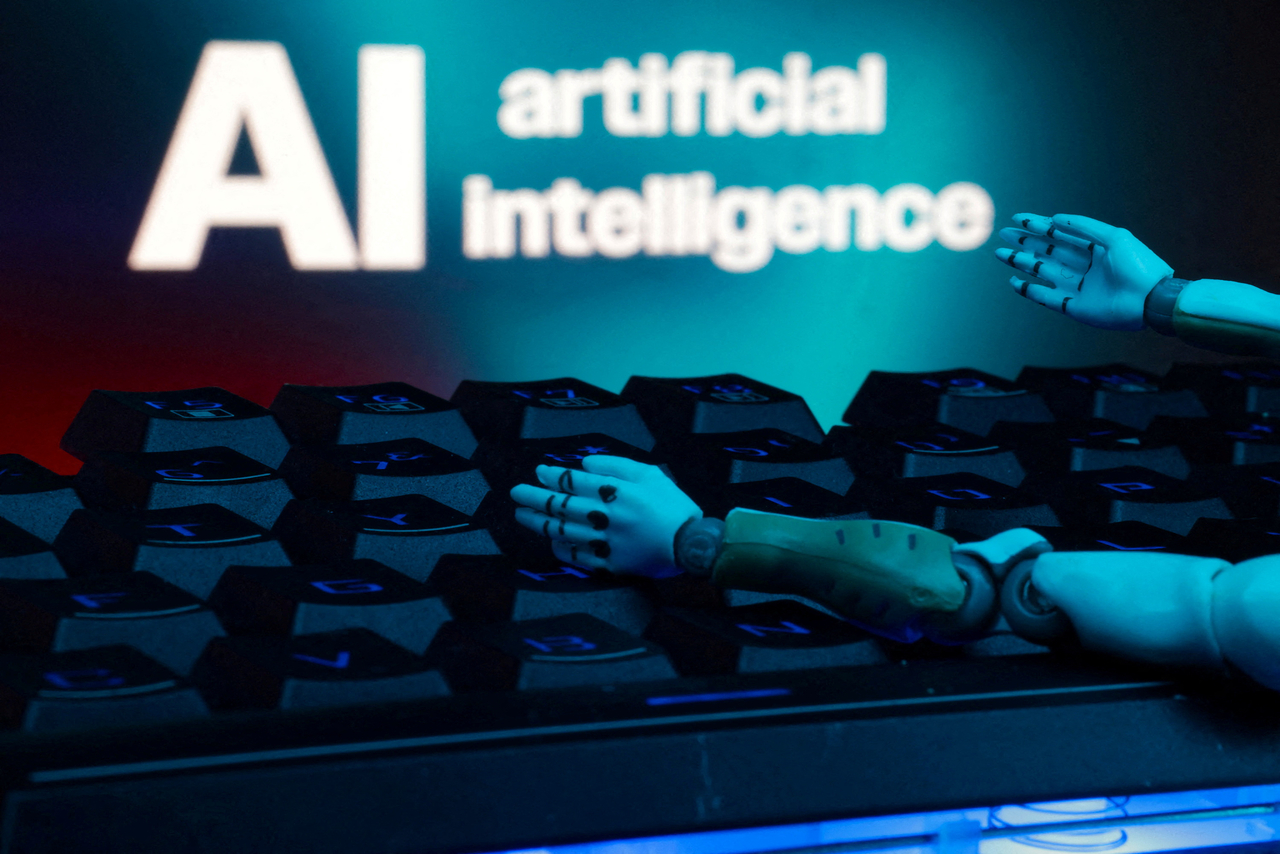
2025 is expected to be remembered as the year AI shifted from an experimental technology to an essential one, becoming deeply integrated into industries and everyday life.
A wave of advanced models -- including Anthropic’s Claude 4 and Opus 4.1, OpenAI’s GPT-5.2 and Google DeepMind’s Gemini 3.0 -- were released in rapid succession, alongside the rise of autonomous AI capable of reasoning, planning and executing complex tasks with minimal human input.
Research firm Grand View Research estimates that the global AI market will reach $390 billion this year, driven by companies’ rapid expansion of AI solutions.
Israel-Iran war
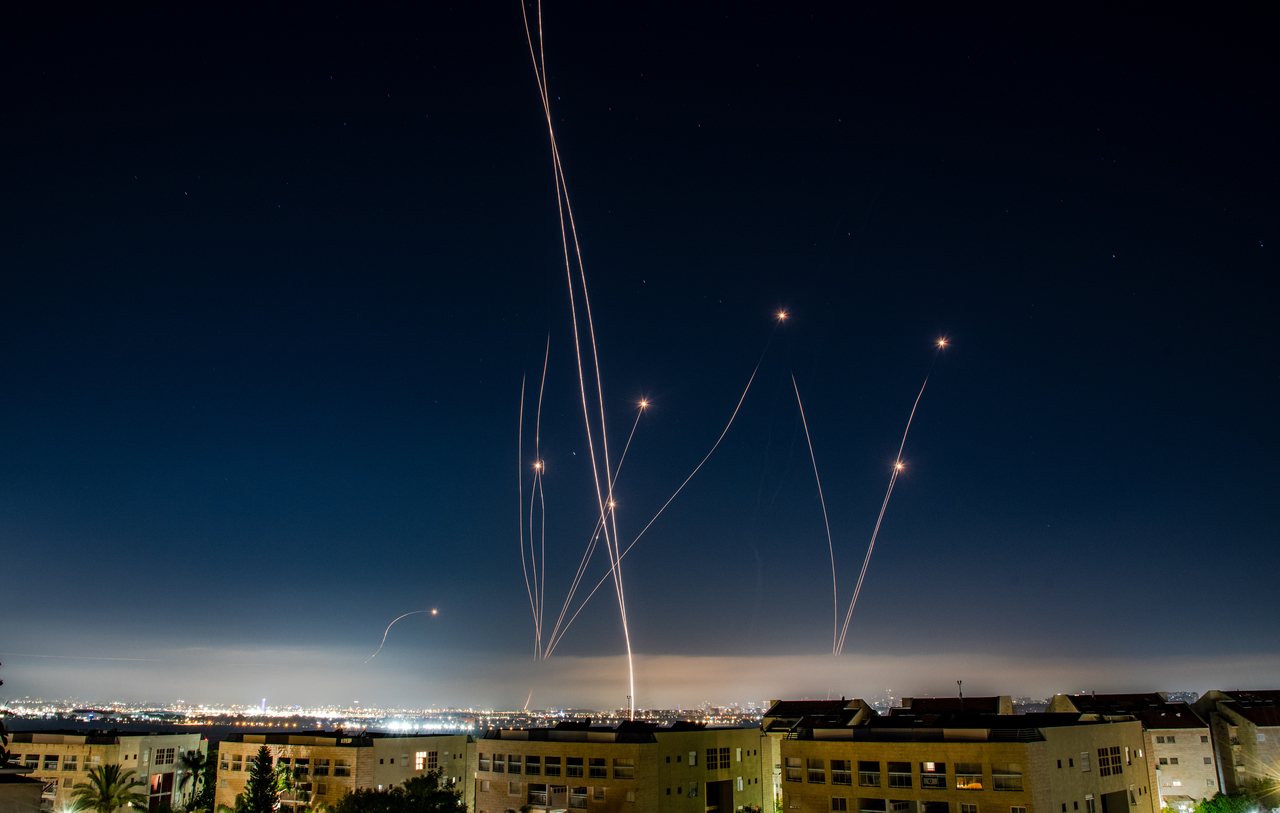
Israel and Iran engaged in a 12-day war in June, after Israel bombed key Iranian facilities in a surprise attack. Israel assassinated Iranian military leaders, nuclear scientists and politicians. In retaliation, Iran launched ballistic missiles and suicide drones into Israeli cities. The strife came amid suspicions that Iran was working to produce nuclear weapons after the breakdown of the Joint Comprehensive Plan of Action, or Iran nuclear deal, from which the US unilaterally withdrew in 2018. On the 9th day of the war, the US joined on Israel's side and struck major Iranian nuclear sites with its B2 bombers and Tomahawk missiles.
Saudi Arabia and Arab states in the Persian Gulf blamed the US attack on Iran as a violation of international law, while the US, Argentina and Germany maintained that the attack was justified to prevent global nuclear proliferation.
Myanmar, Hong Kong devastated
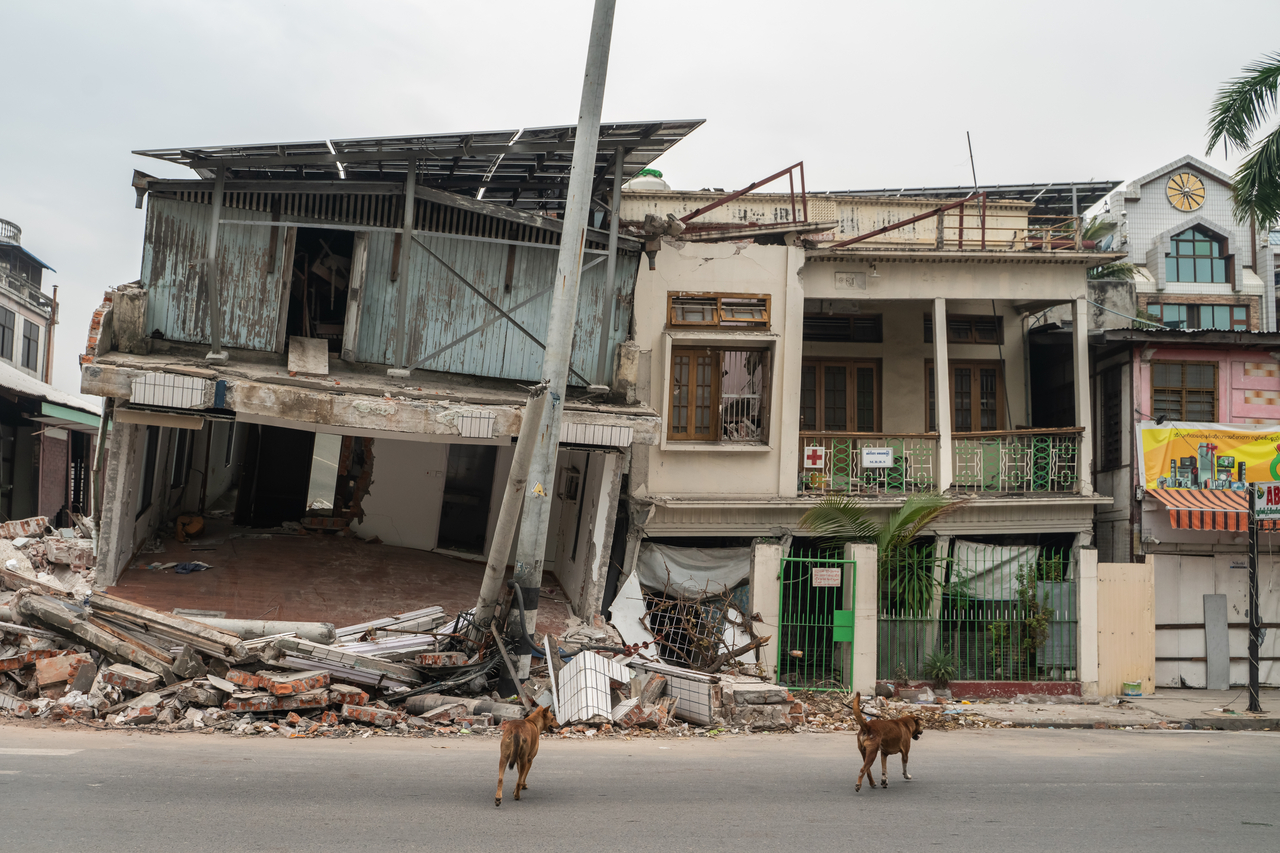
Asian nations were hit hard by natural disasters in 2025.
In March, a 7.7-magnitude earthquake hit the Myanmar capital of Naypyidaw, killing about 4,000 people. The quake also rattled neighboring Thailand, resulting in 89 casualties.
In June, a 6.0-magnitude quake killed over 2,200 people and injured around 3,600 in Afghanistan’s eastern city of Jalalabad in Nangarhar province. The country has had over 350 earthquakes exceeding a 5.0 magnitude on the Richter scale in the last 35 years.
In November, Hong Kong's Wang Fuk Court apartment complex caught fire and raged for over 40 hours, killing 161 people, including a firefighter. Most of the casualties were found in their apartments. Year-end flash floods and landslides also decimated some regions of Indonesia, Sri Lanka, Thailand and Malaysia.
Experts note that Asian countries sustained significant damage due to ongoing climate change as well as feeble disaster prevention systems.
Never-ending Gaza, Ukraine wars
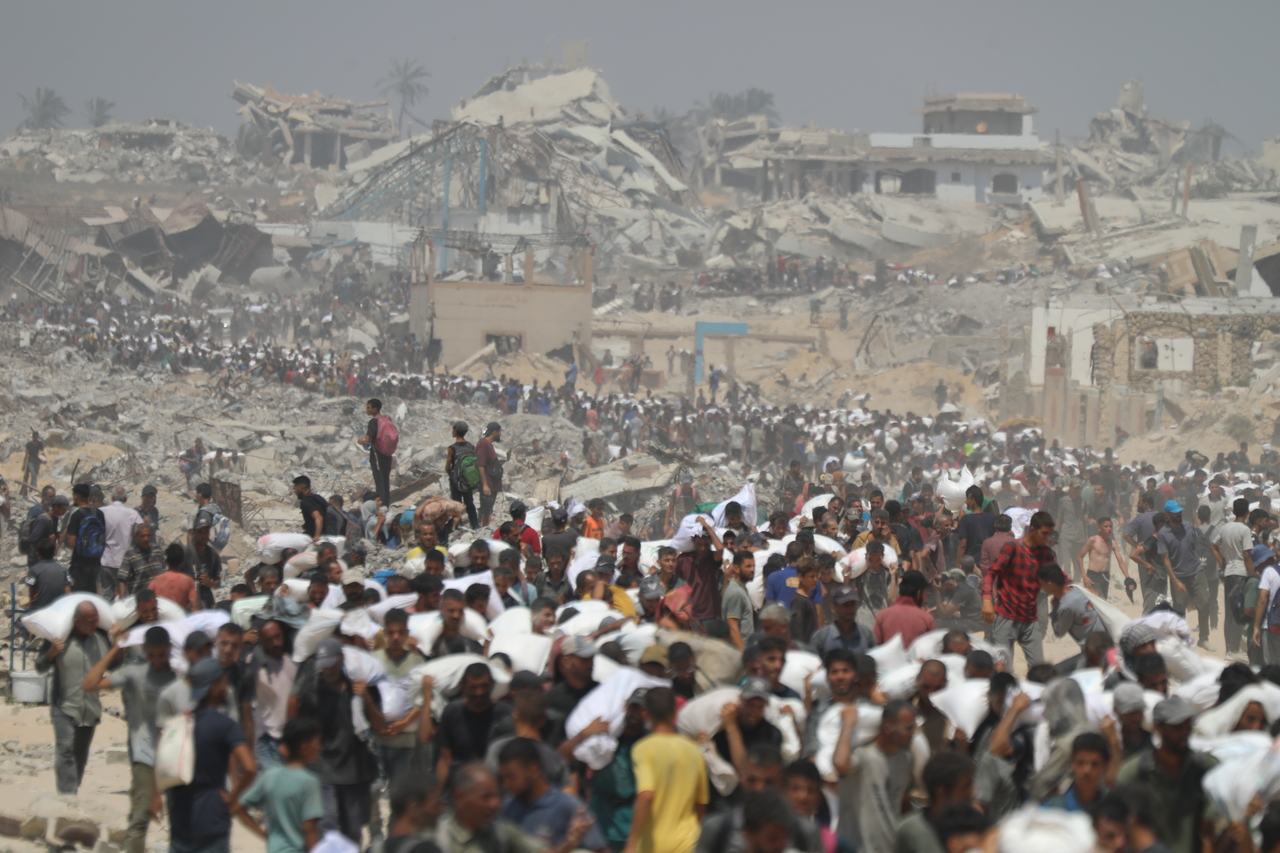
The wars in the Gaza Strip and Ukraine continued into their third and fourth years, respectively. Indiscriminate bombardments and ground operations almost completely razed the Gaza area, but Hamas militants kept fighting as they took refuge in underground tunnels. Russia's invasion of Ukraine, now a war of attrition, has yet to be resolved despite US President Donald Trump's promise and efforts to end it.
The Gaza war is estimated to have killed more than 70,000 Palestinians and injured more than 171,000. Following the US-brokered ceasefire in October, a broader peace plan was advanced by the Trump administration. President Trump also tried unsuccessfully to end the Ukraine war based on pledges made in his 2024 election campaign. Diplomatic activity around potential peace plans remains stalled due to fundamental disagreements on key territorial issues between Kyiv and Moscow.
khnews@heraldcorp.com