

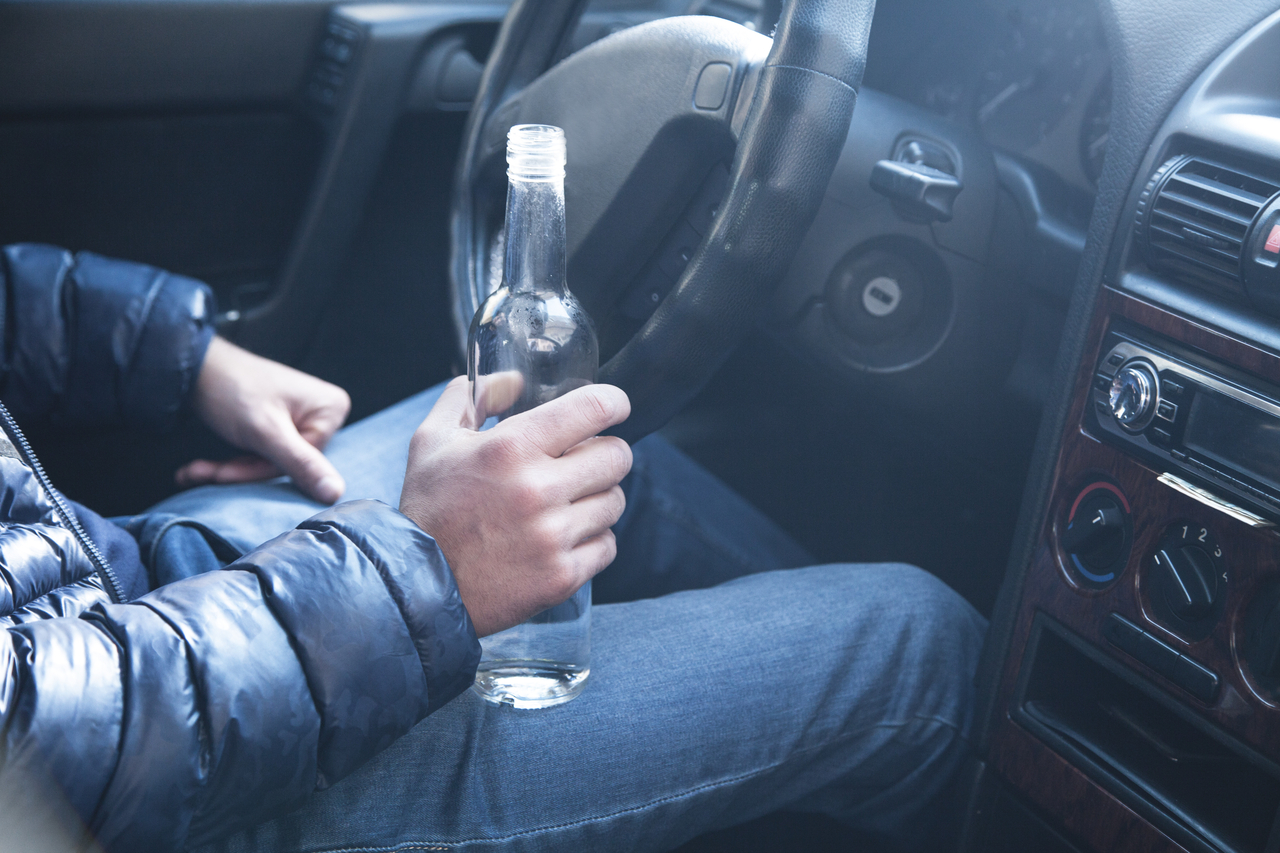
Habitual drunk drivers will now be required to have ignition interlock devices, or car breathalyzers, installed in their cars according to the revised ordinance for the Road Traffic Act.
The National Police Agency on Sunday revealed the changes to be implemented in 2026, which include mandatory car breathalyzer installation for those caught driving under the influence of alcohol at least twice in the previous five years.
Such devices use a breath sample collected through a breathalyzer or sensors on the steering wheel to measure a driver's blood alcohol concentration. If the breath-alcohol concentration exceeds the legal level, the device prevents the driver from starting the car. Installation costs about 3 million won ($2,000) in Korea, and the NPA is discussing measures for renting such devices with the Korea Road Traffic Authority.
Habitual drunk drivers will only be allowed to drive vehicles with car breathalyzers. Violation would result in a fine of up to 3 million won or 1 year in prison, as well as license revocation. The new policy will be in effect starting Oct. 24, 2026.
Those who attempt to bypass the system by having someone else start the car can face up to three years in prison, or a fine of 3 million won.
The new policy seeks to reduce drunk driving cases in Korea, a substantial number of which are repeat crimes. Of the 75,950 drunk driving accidents between 2019 and 2023, 43.3 percent were caused by those who had been convicted of drunk driving in the previous five years, according to the NPA.
The number of repeat drunk drivers reached 45.3 percent in 2024, prompting authorities to step up punishment for habitual offenders.
A recently-implemented measure by the prosecution and police includes allowing a drunk driver's car to be seized if one committed the crime while under probation for a previous offense.
Other measures against dangerous driving announced Sunday include increased punishment for driving under the influence of drugs. Previously, offenders could be sentenced to up to three years in prison or a 10 million won fine. This will increase to up to five years in prison or a 20 million won fine starting April 2, 2026.
minsikyoon@heraldcorp.com