

Samsung takes a first step toward dropping royalties and owning its GPU roadmap
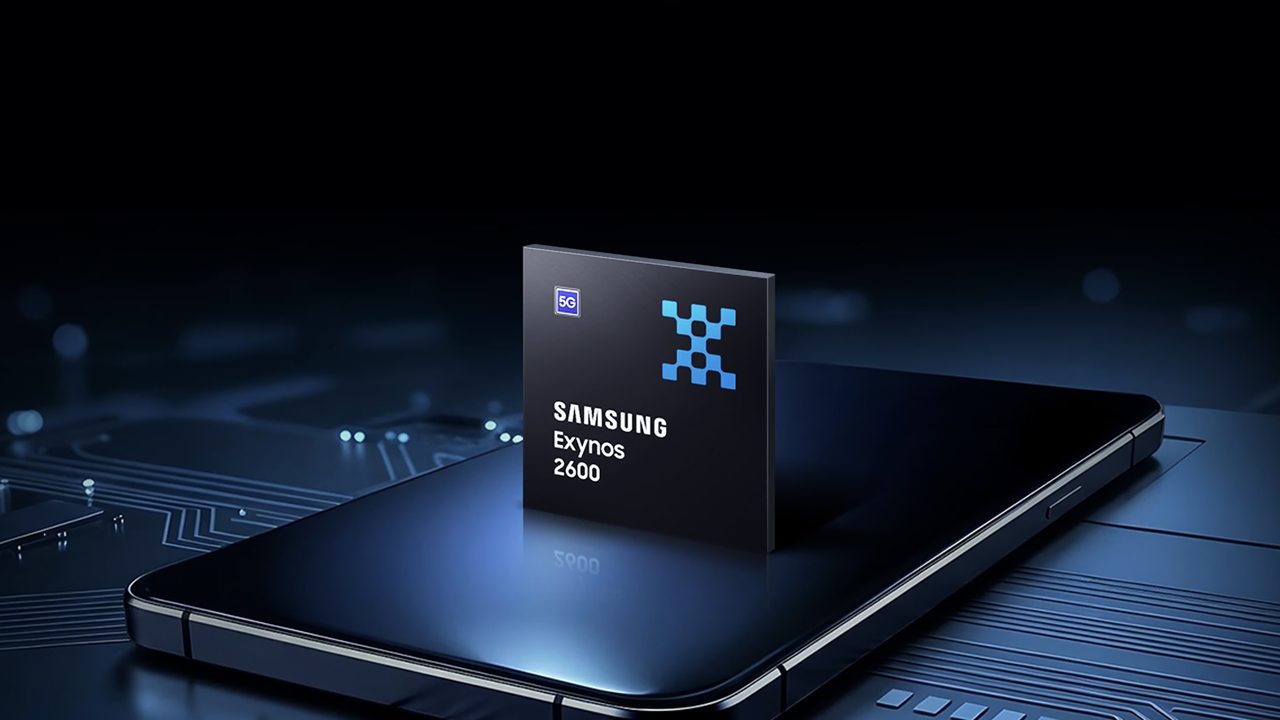
Samsung Electronics is set to introduce its first mobile graphics processing unit largely developed in-house, marking a step toward reducing its reliance on AMD-based architecture, industry sources said Friday.
The GPU will be integrated into the chipmaker's next-generation mobile application processor Exynos 2600, which is expected to power models of the upcoming Galaxy S26 smartphone series. It is set for release in early 2026, according to industry sources.
Samsung engineers designed the GPU layout, while the underlying architecture remains licensed from AMD.
The hybrid configuration represents a transitional phase. While the design has been optimized for Samsung’s own 2-nanometer gate-all-around manufacturing process, the architectural core still comes from AMD's Radeon DNA lineage.
Samsung’s goal is to fully internalize both design and architecture by 2027, industry sources said.
With full GPU intellectual property ownership, Samsung would no longer need to license graphics cores from third parties, removing royalty costs and aligning hardware more closely with its AI and system-on-chip roadmap. It would also bring Samsung into a rare group of firms — alongside Apple, Qualcomm and Intel — that control the entire GPU stack.
The long-term motivation is not just cost. Control over GPU architecture is increasingly viewed as essential for optimizing on-device AI performance, especially as demand rises for AI inference in mobile, extended reality (XR) and robotics systems.
Industry sources said the transition began in 2023, when Samsung hired seasoned GPU engineers in the US. A high-profile move came in late 2025 with the recruitment of John Rayfield, a former AMD vice president of GPU architecture.
Design is only one part of the GPU challenge. Driver software and ecosystem integration remain hurdles, especially for Android devices, which lack the vertical integration of Apple’s iOS. Past Exynos GPUs have struggled less with raw performance than with bugs, poor optimization and limited developer support.
The Exynos 2600, officially announced Dec. 19, also introduces new hardware aimed at overcoming past limitations. Samsung is debuting a new Heat Path Block structure to address the thermal throttling issues that plagued earlier Exynos chips. After years of performance gaps, overheating scandals and full retreats to Snapdragon, these upgrades are positioned as a reset not just for the chip, but for Samsung’s credibility in high-end SoCs.
Still, its rollout remains limited. Due to yield constraints on Samsung’s 2nm node, the Exynos 2600 is expected to be used in only around 30 percent of Galaxy S26 devices, mostly in Europe and Korea. The flagship S26 Ultra will use Qualcomm’s Snapdragon 8 Gen 5 exclusively.
mjh@heraldcorp.com