
North Korea on Wednesday highlighted the legitimacy of space development under international law, prompting speculation that the regime could resume its suspended military reconnaissance satellite program as early as next year.
In an article published Wednesday by the North’s official daily Rodong Sinmun, Pyongyang pointed to growing global competition in space development, stressing that many countries are actively expanding their space capabilities amid rising international interest in the sector.
The article, titled “Growing Momentum in Space Development,” cited space projects led by major powers, including the International Lunar Research Station jointly pursued by China and Russia. The paper described the project as a lunar base equipped for exploration, observation and experimentation, noting that it was launched following a bilateral statement issued by the two countries in 2021.
Rodong Sinmun also reported that during a BRICS meeting of heads of space agencies held in late November, Roscosmos announced that 13 additional countries — including Azerbaijan, Belarus, Bolivia, Venezuela and Egypt — would join the initiative. BRICS stands for Brazil, Russia, India, China and South Africa.
Observers say Pyongyang’s unusually detailed coverage of a China- and Russia-led space project — including its expanding list of participating states — underscores North Korea’s own sustained interest in advancing space-related capabilities.
On the same day, the newspaper ran a separate feature explaining the principles of international space law. The article stressed that outer space, including the moon and other celestial bodies, must be freely explored and used by all states on an equal basis and cannot be monopolized by any single country. It also highlighted international prohibitions on deploying nuclear weapons or other weapons of mass destruction in outer space.
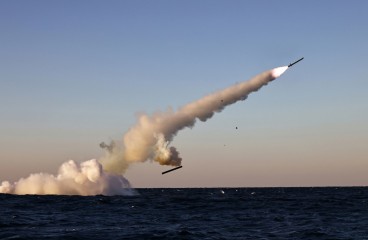
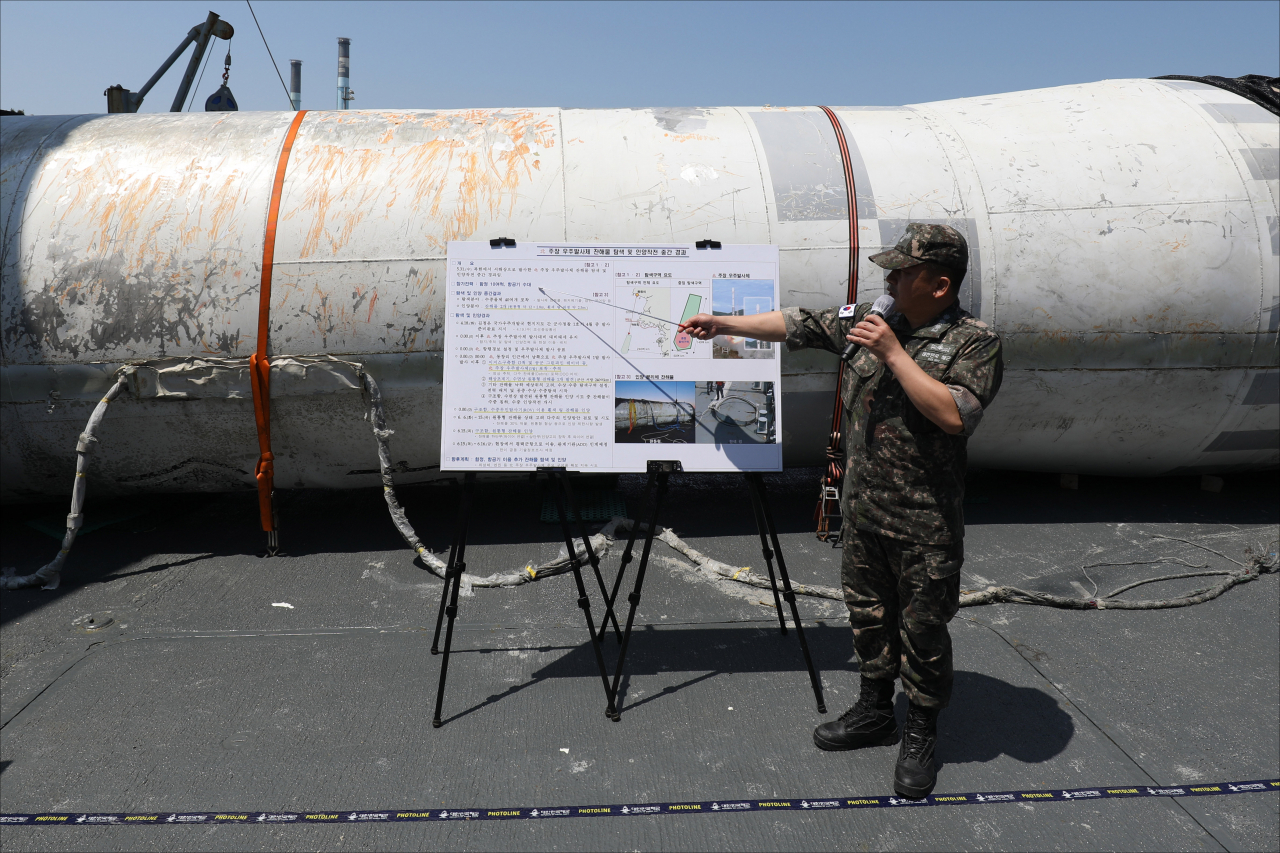
The emphasis on legal norms surrounding space development comes amid lingering questions over the future of North Korea’s military reconnaissance satellite program. After two failed attempts, Pyongyang successfully launched its first military spy satellite, Malligyong-1, in 2023. In 2024, North Korean leader Kim Jong-un vowed to launch three additional reconnaissance satellites, but no further launches took place.
Speculation has persisted that Russia may provide North Korea with reconnaissance satellite or launch-related technologies in exchange for Pyongyang’s troop deployments and weapons support. If such assistance materializes, analysts say North Korea could announce plans to resume satellite launches at the ruling Workers’ Party of Korea’s ninth party congress, expected to be held early next year.
mkjung@heraldcorp.com