

Teen-caused deaths and rising accidents renew calls for tougher e-scooter enforcement
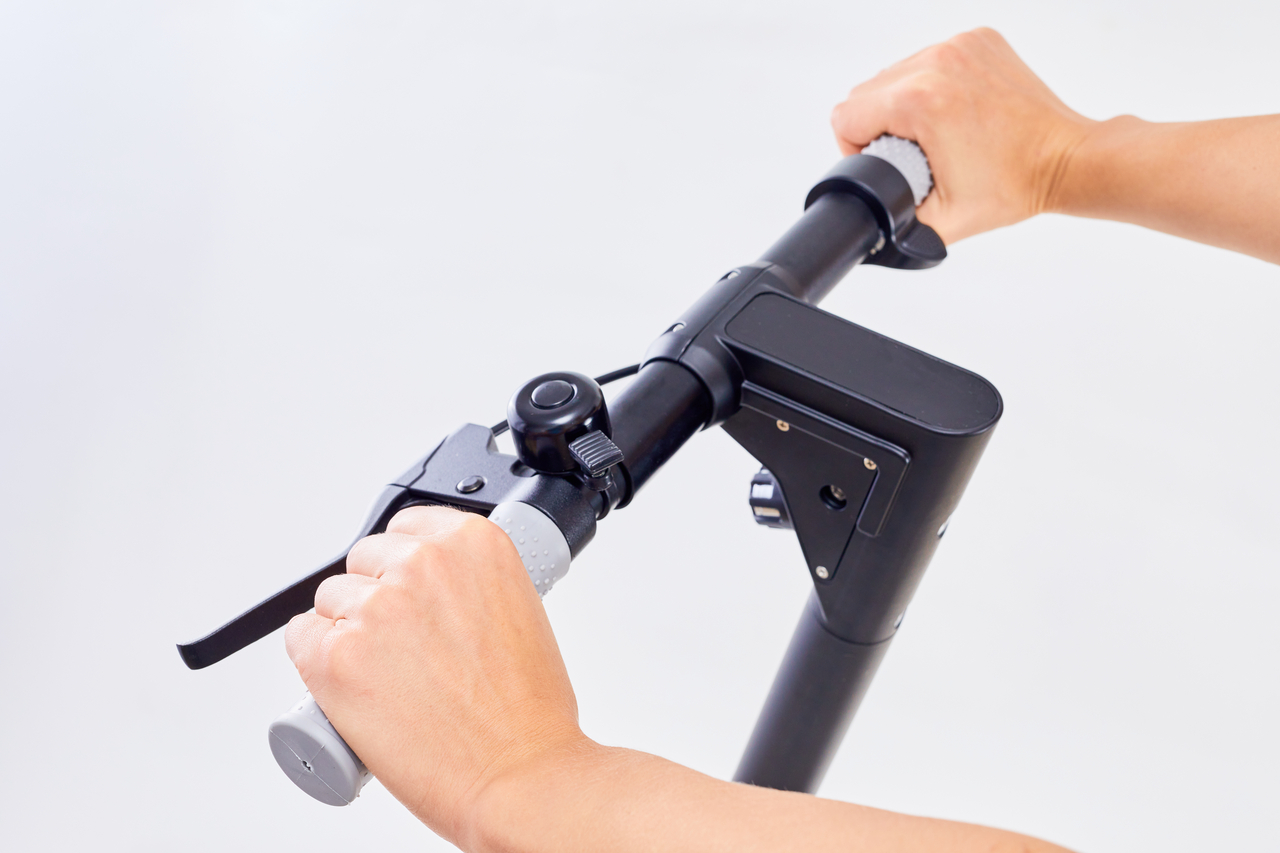
An 11-year-old boy died Monday after being struck by a shuttle bus while crossing a pedestrian crosswalk on a kick scooter in Anyang, Gyeonggi Province, renewing scrutiny of blind spots and regulatory gaps surrounding personal mobility devices.
According to police, the boy was crossing a three-way intersection in Pyeongchon-dong around 4 p.m. when the bus driver, a man in his 50s, hit him while making a right turn.
The child went into cardiac arrest at the scene and was rushed to a nearby hospital but did not survive. Investigators are examining whether either party violated traffic signals.
The scooter the boy was riding was not electric, but the incident has nevertheless intensified public attention on the escalating danger posed by personal mobility devices, particularly electric scooters, and the systemic shortcomings that leave both riders and pedestrians vulnerable.
In recent years, a string of fatal accidents involving teenage e-scooter riders has intensified concerns over how quickly the devices have spread compared with how slowly safety rules have kept pace.
In 2023, two 13-year-old boys riding without a license struck an elderly pedestrian on a sidewalk, resulting in her death. Last June, a teenage girl riding an e-scooter hit a couple in their 60s in Busan, killing one. She received an eight-month prison sentence.
In another widely discussed case last month, a mother in her 30s suffered severe injuries after being struck by a scooter while trying to shield her young daughter.
Such cases have contributed to the growing public perception of electric scooters as a daily hazard. Although current law classifies e-scooters as motorized vehicles and requires riders to be at least 16, hold at least a Type-2 moped license, and wear a helmet, compliance remains low.
Police say minors routinely evade age and license requirements by using parents’ rental app accounts or riding privately owned scooters without supervision.
During a major enforcement sweep in Seoul last month, police detected numerous underage and unlicensed riders and several violations of helmet and passenger rules.
Experts say the broader issue is not simply individual negligence but a regulatory landscape that has failed to adapt to a technology adopted at explosive speed.
Personal mobility devices, or PMs, a category that includes electric scooters and electric bicycles, entered the shared-mobility market only six years ago.
Today, more than 270,000 shared e-scooters operate nationwide, up from 26,000 in 2019. Accident figures have risen at a similar pace.
According to the Korea Road Traffic Authority, PM-related crashes increased from 117 in 2017 to 2,389 last year, a 20-fold jump. Fatalities rose from four to 24 over the same period.
The surge has fueled intensifying public backlash.
On social media, calls for an outright ban have grown louder, particularly after Seoul announced last week that it would pilot “no-scooter zones” on selected streets.
A city survey of 1,000 residents found that 75.6 percent support a complete ban on shared e-scooters. Yet legally, municipalities cannot impose blanket bans and may only restrict scooter access in specific areas in coordination with police.
Despite tighter traffic laws introduced in 2021, scooter-sharing service operators still fall into a regulatory void. Because operators are classified as general service providers rather than licensed transportation businesses, they are not required to meet standards for vehicle maintenance, parking management or rider verification.
The result is a system where privately owned scooters are regulated, while the shared platforms that account for most usage remain far less constrained. This discrepancy has undermined enforcement of safety rules and limited local governments’ ability to intervene in a meaningful way.
Lawmakers are now attempting to close these loopholes.
More than a dozen bills, collectively referred to as the PM Act, are pending in the National Assembly. The proposals would introduce a formal registration system for PM rental services, mandate stricter rider-verification requirements, and create penalties for companies that fail to ensure compliance.
Lawmakers from both major parties have jointly introduced versions of the bill, acknowledging the urgency as accidents involving minors continue to rise. A public hearing is scheduled for Dec. 15, signaling renewed momentum for legislation that has repeatedly stalled amid operator concerns and disputes over how far restrictions should go.
jychoi@heraldcorp.com