
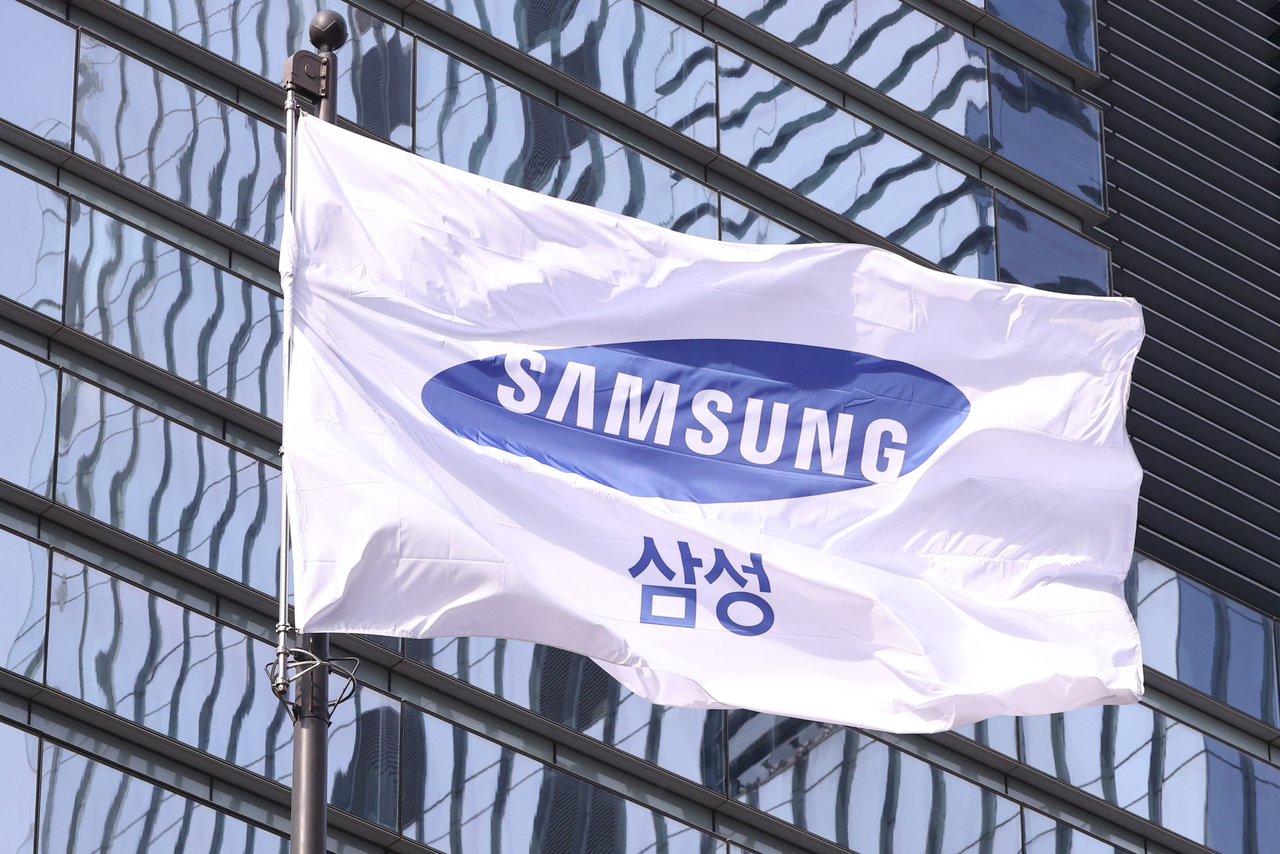
Samsung Electronics is expected to announce a major leadership reshuffle as early as mid-November, industry officials said Monday. This would mark the first large-scale shake-up since Chair Lee Jae-yong’s legal uncertainties were lifted, and a key step in shaping the direction of the “New Samsung” era.
Sources say the overhaul will emphasize generational transition and stronger execution capacity, elevating younger leaders and restructuring decision-making channels to accelerate strategic shifts in semiconductor, mobile and device businesses. Depending on final adjustments, the announcement could be pushed to late November, they added.
The upcoming reshuffle follows the resignation of Samsung Electronics Vice Chair Chung Hyun-ho, a key strategist and longtime confidant to Lee.
Chung, often described as Lee’s “right-hand man,” stepped down recently, marking the retreat of one of the group’s most influential behind-the-scenes figures and clearing the way for new leadership dynamics.
Industry insiders say pressure is growing for Lee to assert stronger ownership and reinforce responsible management amid Samsung Electronics’ recent struggles and its ambitions for a second leap forward.
"Chung's departure, given his long-standing role as Lee’s closest confidant, provides both the opportunity and justification to redraw Samsung’s top leadership map," said an industry source, who requested anonymity. "This could mark the beginning of a more comprehensive transformation."
One of the most anticipated moves is Roh Tae-moon's potential appointment to a permanent leadership role. Roh is currently acting head of the device experience division as well as head of mobile experience business, where Choi Won-joon, chief operating officer of the tech giant’s mobile division, is being widely tipped as his successor.
Attention is also focused on whether a new figure will be appointed to head the memory business division, currently led by device solution division chief Jun Young-hyun.
Sources point to parallels with the pivotal 2017 reorganization, when Samsung disbanded its powerful future strategy office and saw an exodus of senior executives, leading to a generational turnover.
Now, eight years later, the business support task force's transformation into the business support office is being seen as a potential catalyst for another “personnel typhoon.”
In October 2017, Samsung replaced key presidents after the mass resignation of top strategy executives, followed by a second wave of major leadership changes in February 2018. At that time, numerous high-ranking executives aged 60 or older stepped down as part of efforts to rejuvenate the organization.
While the restructuring of the business support office hints at a potential rebuilding of the group’s former control tower, sources say the construction and financial arms are likely to continue operating under their own respective task forces.
Samsung, however, has drawn a clear line, saying that the recent restructuring of its business support office is unrelated to the revival of the group's former control tower.
“The business support office is composed of three teams, making it much smaller in scale than the now-defunct future strategy office, and it holds no control tower functions," a Samsung Electronics official said.
yeeun@heraldcorp.com

![[Exclusive] Ateez to return in November](https://wimg.heraldcorp.com/news/cms/2026/09/02/news-p.v1.20260902.76162fb0ba55493aad1c076f240d0750_R.jpg?type=h&h=120)