
The city’s plan would let retirees return to work under flexible, performance-based contracts instead of raising the legal retirement age from 60 to 65
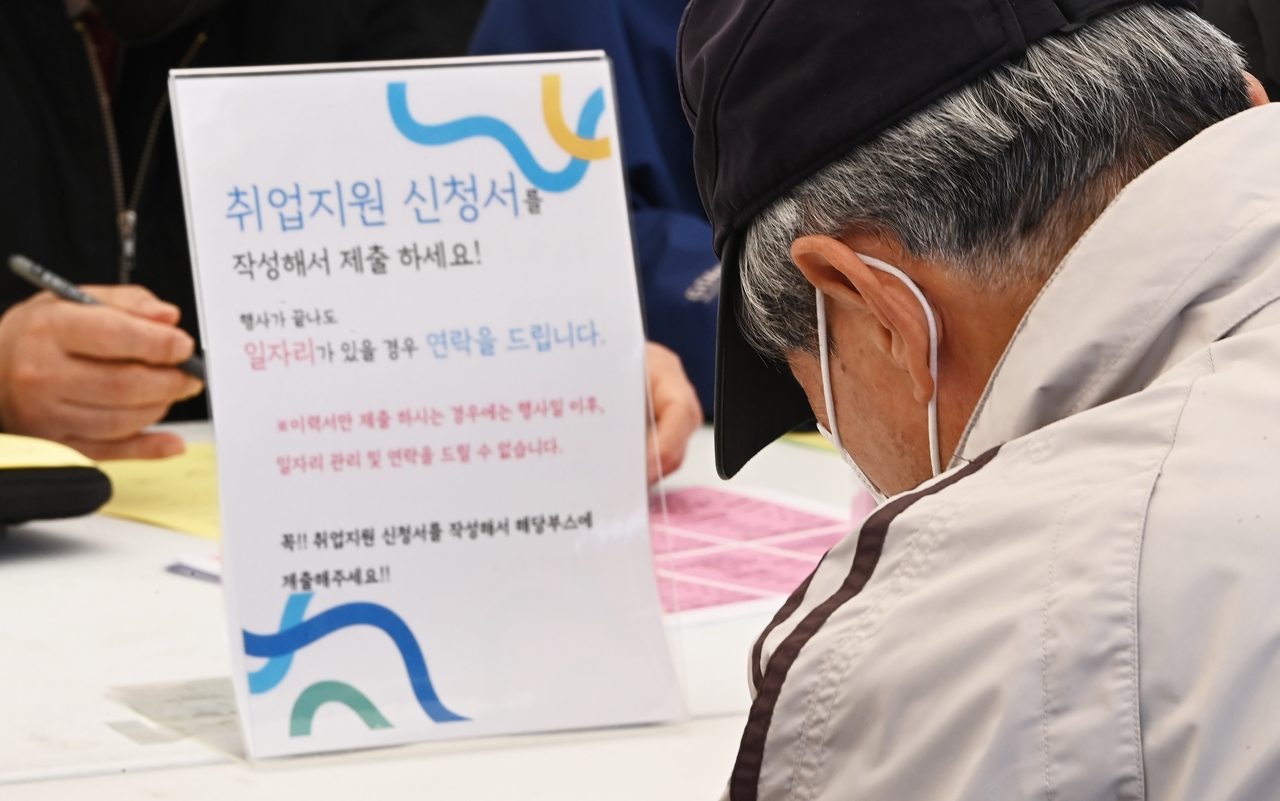
South Korea’s capital is trying to solve one of the country’s biggest social challenges: people want to work into their 70s, but their careers usually end in their 50s.
A new proposal from the Seoul Institute, a city-funded think tank, outlines an experimental program that would allow older workers to keep working after retirement by being rehired on flexible terms instead of simply extending the legal retirement age.
The plan, called “continued-employment system,” would let retirees return to work in part-time or project-based roles with pay based on performance and job value rather than seniority.
The program responds to a widening gap between expectation and reality in the Korean labor market. Government data from Ministry of Data and Statistics (formerly Statistics Korea) from August showed that Koreans leave their main career jobs at an average age of 49.4 but hope to keep working until around 69.4. That 20-year stretch is now the missing middle of the country’s aging workforce, and Seoul Institute researchers see it as an opportunity rather than a crisis.
According to the same national data, more than 10 million people between 55 and 79 are still working or looking for work. That is roughly 60 percent of this age group and the highest level since records began in 2005.
'Softer landing' for older workers
The Seoul Institute’s plan, released in September this year, argues that simply raising the national retirement age from 60 to 65, a proposal currently under debate in parliament, would be "too blunt an instrument." A single age limit cannot fit the diverse physical, financial and professional situations of workers across industries.
The report calls for what it describes as “structured reemployment,” allowing experienced workers to stay in the labor force while shifting into more adaptable roles.

In March this year, Seoul Mayor Oh Se-hoon said that the city is weighing a formal introduction of the continued-employment system, calling it “a new growth engine” for Korea’s aging economy.
The city intends to begin pilots next year within its public sector. Workers in municipal agencies, information technology, research and older adult care could stay on after retirement under shorter, renewable contracts. These early programs will test how performance-based pay and reduced hours affect productivity and morale. If successful, they will expand to all city-run institutions by 2028, then to private employers in the city after 2029.
The proposal also includes incentive packages for companies that take part, combining city-level wage subsidies, tax benefits and management consulting support. It emphasizes that seniority-based pay systems, still common in Korea, should gradually give way to job-value pay models that better match modern labor needs.
For workers, the change could mean a "softer landing" after their main careers, the researchers claim. Instead of being pushed out of the workforce at age 60, they could transition into lighter but still meaningful roles with flexible hours. It cites that Japan has used similar schemes for years, letting older staff move into mentoring and quality-control positions that retain experience while opening room for younger employees.
Two-thirds of Seoul's seniors will be over 75 by 2052
Seoul’s working-age population peaked in 2009 and is projected to shrink by about 43 percent by 2052, a steeper fall than the national average.
By that year, nearly two-thirds (62.4 percent) of residents aged 65 and older — the age group currently classified as seniors — are expected to be 75 or older, and almost one in four (24.3 percent) will be over 85.
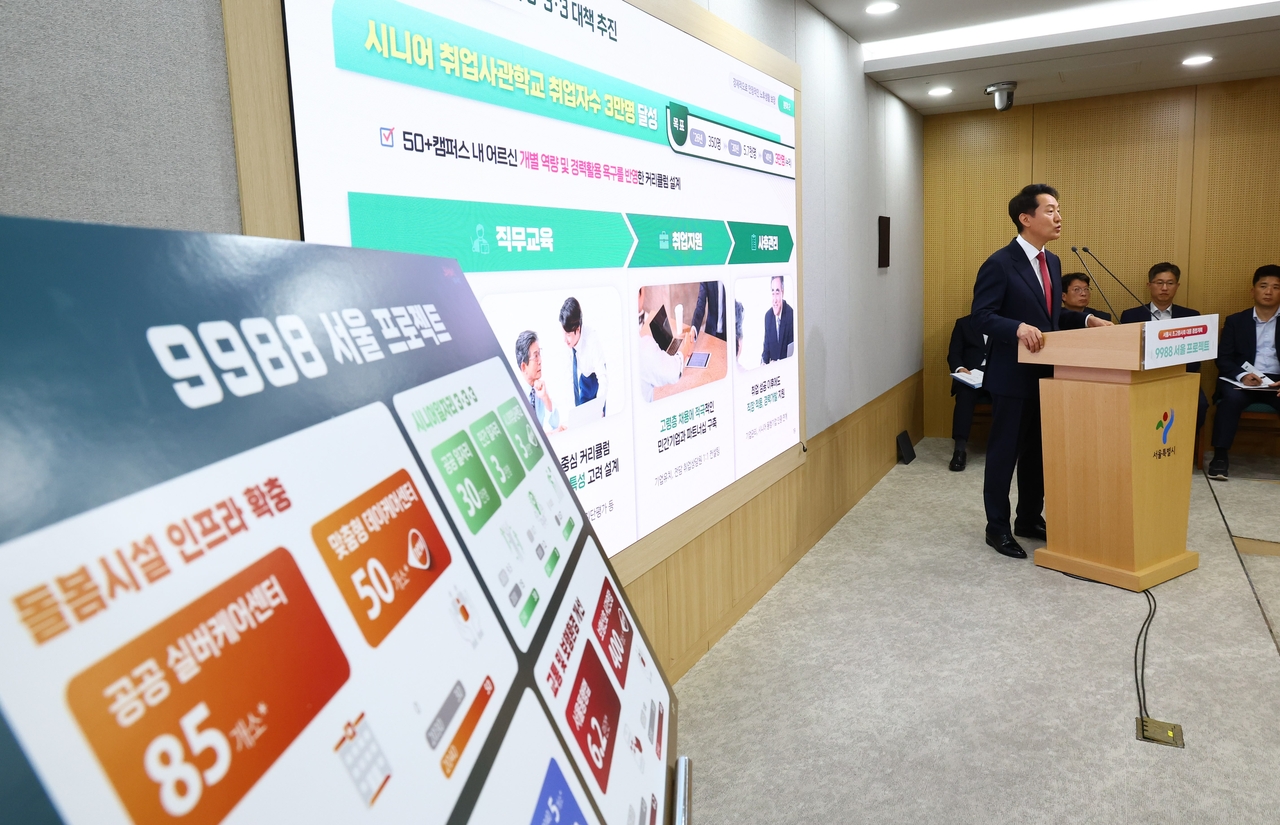
This deepening “aging within aging” is already straining the city’s care and service sectors, where labor shortages are most severe and older employees now make up much of the workforce.
The challenges are still considerable. Adjusting wage systems to tie pay to performance could trigger legal disputes over age discrimination or fairness. The Seoul Institute admits that its proposal remains a policy blueprint rather than law, and it will require budget approval and cooperation from employers, especially small businesses.
mjh@heraldcorp.com