
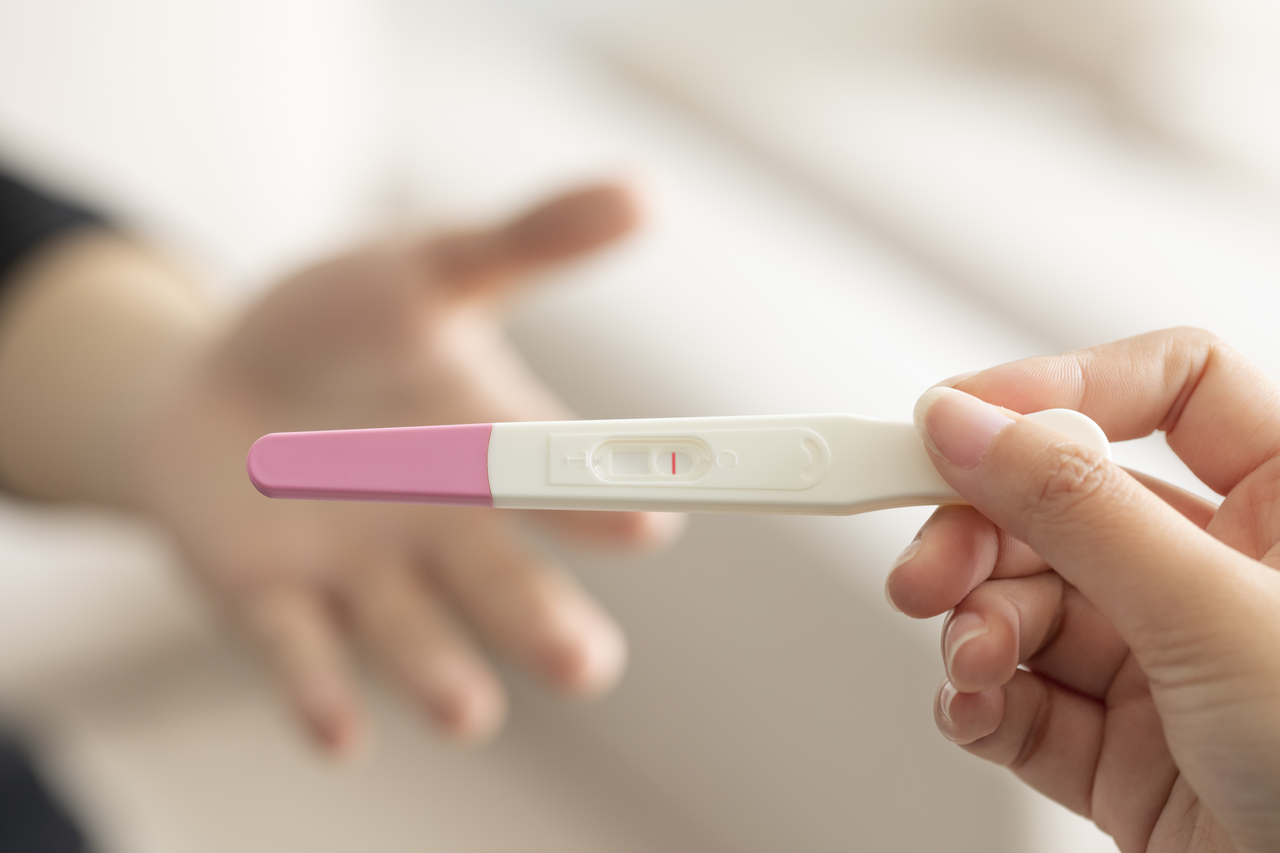
The number of South Koreans receiving fertility treatments has surged more than 30 percent in the past four years, with male patients exceeding 100,000 for the first time, according to government data released Friday.
Data obtained by Rep. Nam In-soon of the ruling Democratic Party of Korea from the National Health Insurance Service show that the total number increased from 228,618 in 2020 to 300,401 in 2024 — a rise of 31.4 percent.
The number of men getting treatment rose 36.9 percent — from 79,176 to 108,358 — a sharper rise than that of women, whose numbers climbed 28.5 percent from 149,442 to 192,043 during the same period.
Meanwhile, the number of infertility treatments nearly doubled over the same period. In 2023 alone, procedures jumped 58.2 percent, adding more than 82,000 cases in a single year.
"I didn't imagine I would struggle conceiving," a 32-year-old surnamed Kim told The Korea Herald. "Because I'm young and work out every day, I thought I would easily get pregnant once my mind is set. But many of my friends at this age are going to see clinics after a series of miscarriages."
Government data from 2022 showed that the success rate for procedures supported under the national infertility subsidy program was 30.9 percent for in vitro fertilization or IVF and 17.5 percent for artificial insemination.
To meet the rising demand, the government has tripled its infertility support budget from 41.2 billion won ($29 million) in 2020 to 145.7 billion won ($102 million) last year.
In November 2023, the government also expanded treatment coverage — increasing the limit from 25 procedures per person to 25 procedures per childbirth, regardless of marital status, and removing age-based restrictions on co-payment support. The out-of-pocket share for women aged 45 and older was lalso owered from 50 percent to 30 percent.
Rep. Nam said the figures underscore the need for inclusive fertility policies amid South Korea’s record-low birthrate.
“In an era of ultralow fertility, the right to healthy pregnancy and childbirth must be guaranteed for everyone who wishes to have children, regardless of marital status,” she said.
The National Human Rights Commission had previously recommended in 2022 that the Korean Society of Obstetrics and Gynecology revise its ethical guidelines that restricted IVF for unmarried women.
Following the recommendation, the Health Ministry clarified that the current law does not prohibit IVF for single women and that such procedures are legally permissible without spousal consent.
jychoi@heraldcorp.com