
Korean biosimilar giant to invest total of $1b for New Jersey site’s takeover, expansion
Celltrion has clinched a deal with US pharmaceutical firm Eli Lilly to acquire a biopharmaceutical manufacturing plant in Branchburg, New Jersey, for $330 million, the Korean biosimilar maker said Tuesday.
According to Celltrion, the initial investment will be $500 million in total including the operating costs of the plant. The company also said it intended to expand production facilities on an unused site within the newly acquired plant, with the expected cost at least another $500 million. As a result, Celltrion plans to spend at least $1 billion — or 1.4 trillion won — on the New Jersey plant’s acquisition and expansion in the future.
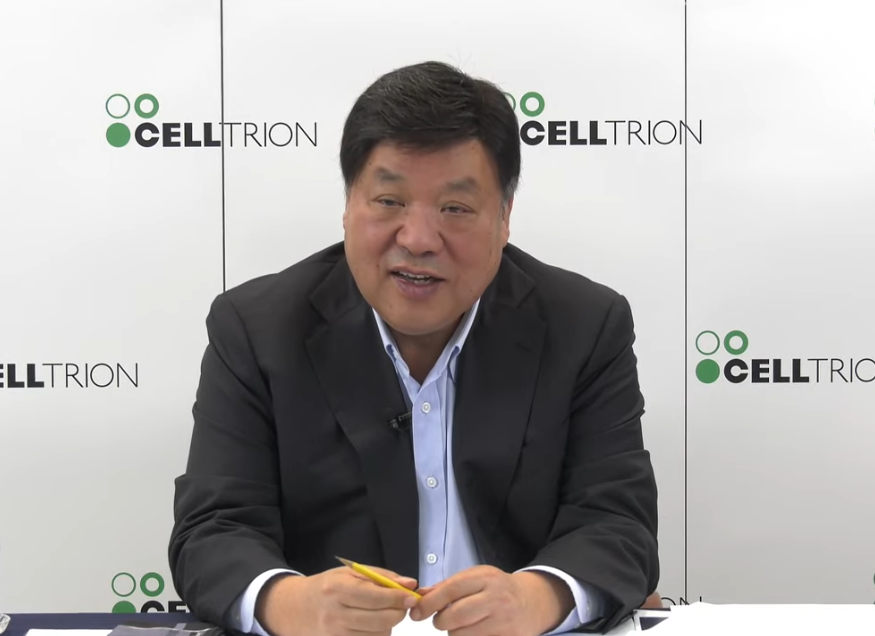
“The 1.4 trillion won investment (in the US plant) makes more economic sense than building a new plant in Korea,” Celltrion Group Chair and founder Seo Jung-jin said in an online video conference.
“Further, this will make us be completely free from tariff risks. We are in the process of getting the US government’s approval by the end of this year and get our products validated, which will take about a year. So by the end of 2026, the half of the plant will produce our products while the other half will produce (Eli Lilly’s) products.”
Along with the takeover, Celltrion also inked a contract manufacturing organization deal with Eli Lilly.
As the New Jersey plant is currently in operation as a current Good Manufacturing Practice drug substance production site, Celltrion noted that the takeover will save the company time and cost. According to Seo, the management deemed that a new factory would cost 1.5 trillion won more and take about six years longer to set up, as the existing American employees will continue to work at the site.
Once the expansion of the New Jersey plant is complete, Celltrion estimates that it would have an annual production capacity about 50 percent larger than its Plant 2 in Songdo, Incheon, which would be equivalent to 135,000 liters per year.
As for the possibility of securing a production foothold in Europe, the Celltrion Group chief said it is one of the things that he has been thinking about.
“Since the US imposed tariffs, Europe may follow in its footsteps,” said Seo. “If so, we might have to secure certain sites in Europe, but we are not seeing such a movement in Europe yet. If such indications arise in Europe, we are going to have to consider (having a production site there).”
Regarding concerns over Korean workers recently facing tougher visa scrutiny from the US immigration enforcement authorities, Seo said Celltrion’s Korean employees going to the US have E-2 visas, which will have no issues, as the company already reviewed the matter last year and has faced no trouble regarding visa status.
hwkan@heraldcorp.com