South Korea and Germany reaffirmed the need for further cooperation not only in cutting-edge industries such as artificial intelligence and robotics, but also in defense sectors, including drones and missiles, during a bilateral business forum on Wednesday.
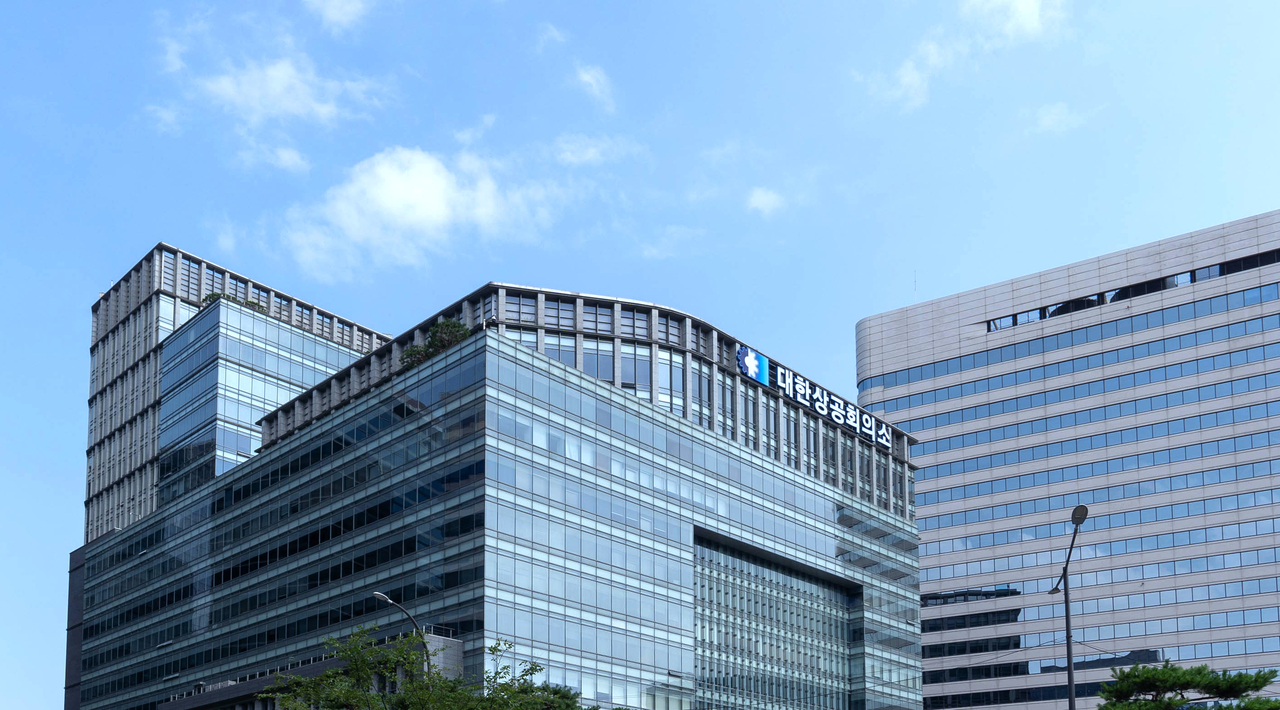
The Korea Chamber of Commerce and Industry said it hosted “Korea Business Day 2025” in Frankfurt, together with the Frankfurt Chamber of Commerce, the South Korean Embassy in Berlin and the Korean Consulate General. About 150 business officials from both countries attended the event.
Opportunities for partnership in AI, robotics and smart factory technologies were discussed during a panel session, joined by officials from South Korea’s Doosan Robotics and Samsung SDS, as well as Germany’s optics and optoelectronics giant Zeiss and Germany Trade & Invest.
“Germany is Europe’s largest manufacturing hub and where an innovative automation ecosystem is built,” said Ryu Seung-bak, head of Doosan Robotics Europe. “Locating our European headquarters in Germany was a strategic decision. We aim to tackle global challenges together, such as sustainable growth, strengthening advanced manufacturing, and ethical use of AI and robotics technology.”
In another session, officials from Deloitte Germany and the Association of German Chambers of Commerce spotlighted defense as an emerging area for cooperation.
Torsten Heun, a partner at Deloitte Germany, noted that Russia’s invasion of Ukraine has pushed Germany and Europe to increase defense spending and modernize their militaries. “While Europe is strengthening its defense industry, it still lacks advanced technologies. South Korean firms with strengths in drone and missile defense can be reliable partners,” Heun was quoted as saying.
The forum also explored ways to expand two-way investment. Dirk Lukat, honorary ambassador of foreign investment promotion for Korea, stressed that Korea’s world-class logistics infrastructure and strategic location in Northeast Asia enable German companies to reliably access global markets and expand their supply chains.
German investment in Korea has been rising, with investment in Korea nearly tripling to $409 million in the first half of this year. Greenfield investment has also been expanding, including a recent announcement by biopharmaceutical firm Satorius.
Jorn Siegle, vice president of Frankfurt RheinMain Investment Promotion Agency, highlighted Frankfurt as a business hub with the largest Korean corporate community in Europe. He explained that the German federal government and the state of Hesse's program supports foreign companies, making it an optimal environment for Korean companies to expand into the country.
sahn@heraldcorp.com