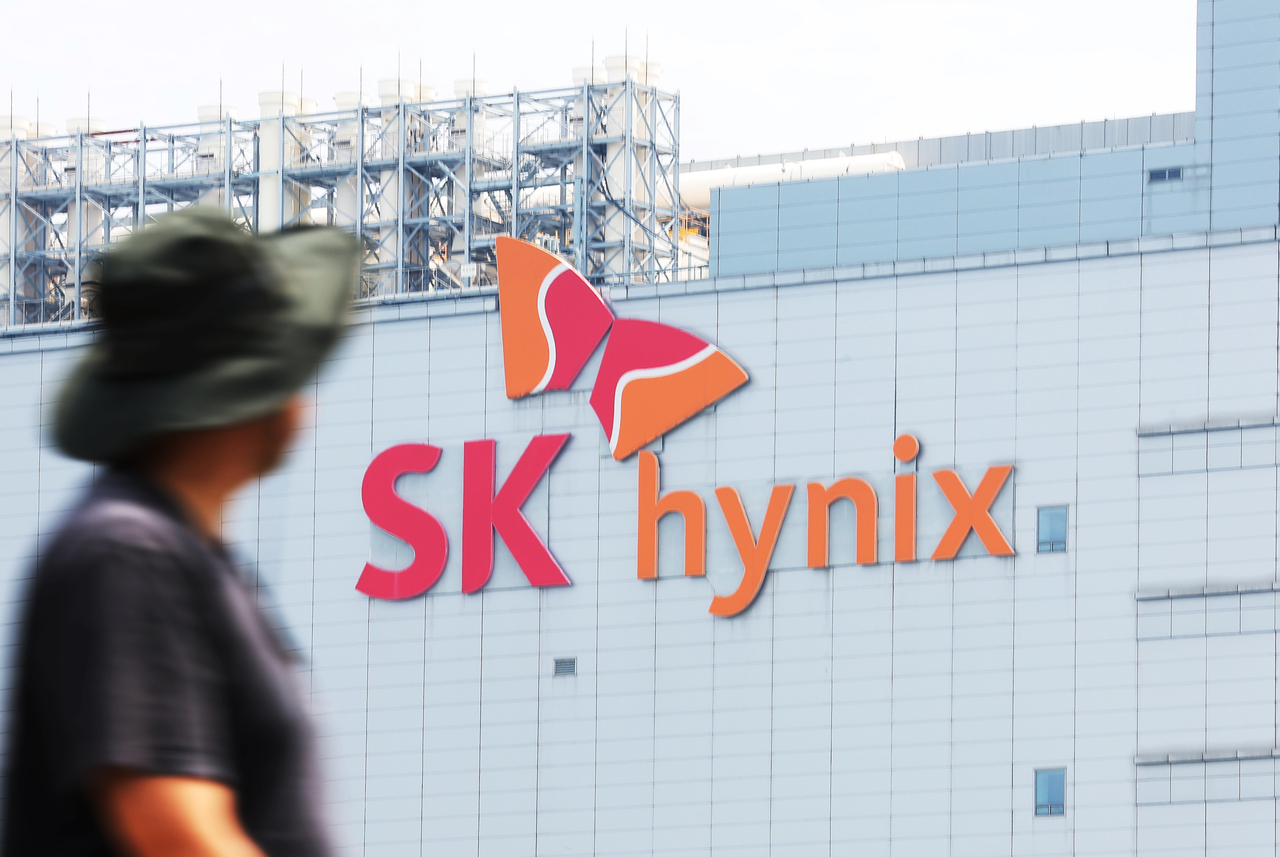
SK hynix said Thursday that it has concluded its annual wage negotiations with its labor union, finalizing discussions that began in May and marking a pivotal moment in the company’s labor-management relations.
The tentative agreement, endorsed by a vote of union delegates, includes a 6 percent base salary increase and a comprehensive overhaul of the company’s performance-based bonus structure. Notably, the existing cap on profit-sharing bonuses — previously limited to 1,000 percent of an employee’s base annual salary — will be completely removed.
Under the new framework, 10 percent of SK hynix’s annual operating profit will be allocated to employee performance bonuses. Of each employee’s individual bonus calculation, 80 percent will be paid within the current year, while the remaining 20 percent will be deferred and disbursed in two equal annual installments of 10 percent.
The company and its labor union have also agreed to maintain this bonus distribution scheme for the next 10 years, to resolve recurring disputes over compensation and cultivate a long-term foundation of trust and stability.
“This agreement establishes a clear, performance-based compensation system that aligns employee rewards with the company’s actual earnings,” both parties said in a joint statement. “The deferred portion is designed to promote financial stability and ensure sustainable compensation practices.”
Market analysts estimate SK hynix’s operating profit for this year could reach about 37 trillion won ($26.5 billion), placing the total performance bonus pool at around 3.7 trillion won. Based on these figures, each employee could receive an average of 100 million won in performance-related payouts.
The company views this reform as a shift toward a more meritocratic compensation structure, designed to reward high performers and bolster employee motivation across the organization. Internally, SK hynix sees the changes as a catalyst for reinforcing a performance-driven culture.
The agreement also signals SK hynix’s broader commitment to inclusive growth within the semiconductor ecosystem. By distributing part of its profits to employees and reaffirming collaborative ties with partner firms, the chipmaker is seeking to share the fruits of its success with the broader industrial community.
The union had initially pushed for an 8.25 percent wage increase, a higher base salary ceiling and a greater share in profits — including the elimination of existing caps on bonuses. The negotiations reached an impasse over bonus-related clauses, with tensions culminating in the company’s first-ever general assembly of union members held in protest.
Eventually, the revised proposal garnered overwhelming support from union delegates, passing with a record 95.4 percent approval rate — the highest in the company’s history. A formal signing ceremony is scheduled to take place on Friday.
yeeun@heraldcorp.com